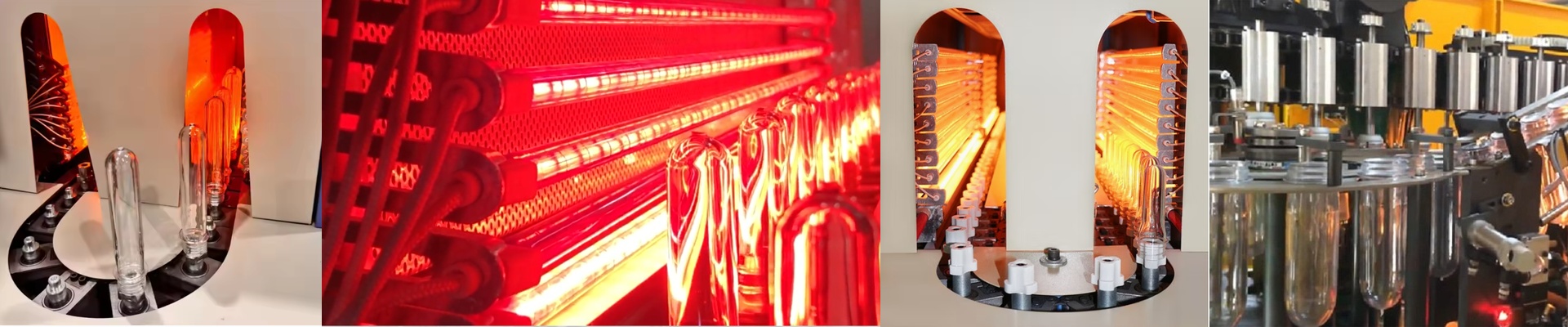
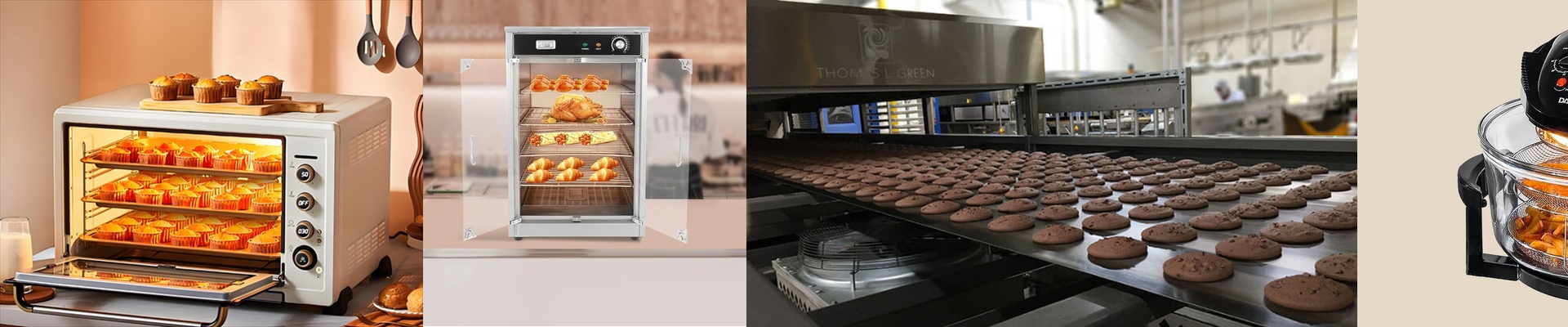

When service hits, you can’t afford to chase hot spots or explain why the last tray came out lopsided. In a busy café, the baking chamber has to deliver repeatable results—fast. That’s where a frosted quartz infrared lamp earns its keep in commercial ovens. It puts heat where you need it, when you need it, without the harsh glare and uneven intensity that can wreck a bake. The payoff lands on the plate. Uniform browning across every tray. A crust that sets clean and crisp, with an interior that stays tender and cooked through. In a café where consistency is your brand, that reliability isn’t a luxury—it’s the baseline.
What matters under the hood
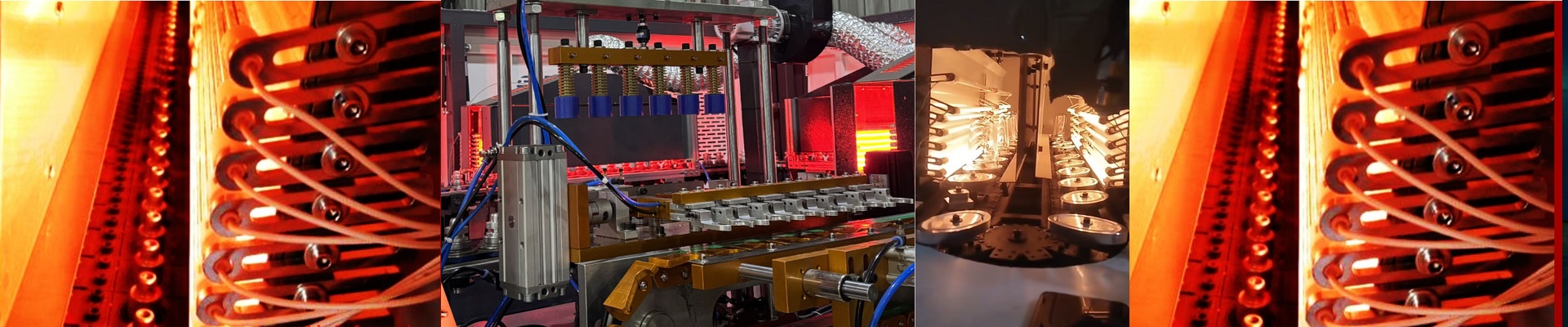
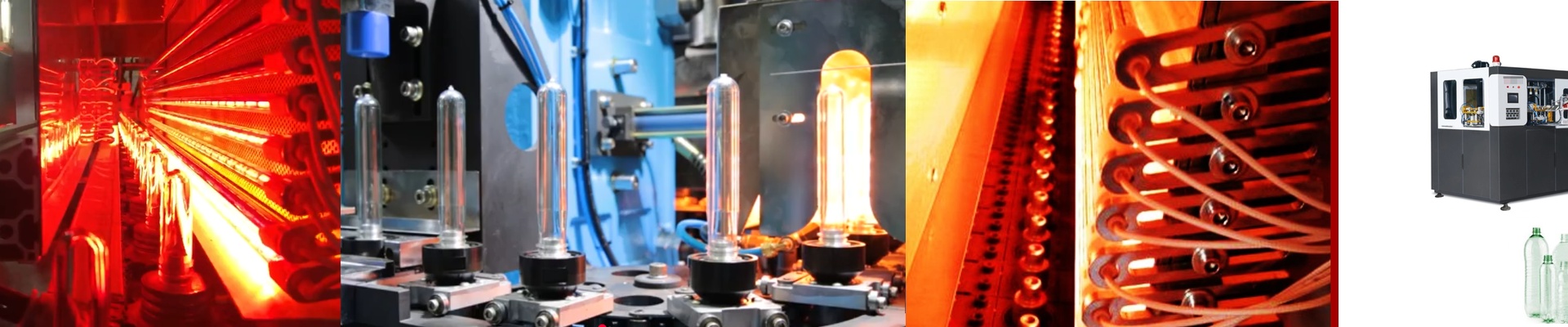
A frosted quartz infrared lamp isn’t just another heating element. The quartz tube holds a high-purity filament engineered to emit infrared energy in the near-to-medium wavelength range. The frosted finish diffuses the output, spreading radiant heat across a broader target instead of hammering one spot. In practice, that means more even coverage across the deck or oven cavity, and fewer sharp thermal peaks that scorch the surface while the center lags. We build these lamps around real kitchen constraints. They ramp fast, hitting target temperatures quickly so recovery time after loading stays short. The output profile is tuned to match how dough and pastry absorb heat, promoting even caramelization without drying out the outer layers. Physically, the lamps are built for heat and vibration—tight tolerances, solid seals, and mounting options that hold steady on deck ovens, rotary ovens, and convection units. Electrical spec matters because the lamp has to integrate cleanly. We match voltage and wattage to standard commercial oven circuits, so it works as a direct replacement without rewiring or re-engineering the control panel. Connection types are chosen to fit common oven fittings, keeping installation straightforward for your maintenance team.
Why it works in a café
In a café, the oven rarely sits idle. You’re running croissants, cookies, flatbreads, and small batches that need precise timing. Uneven heat shows up fast—one side darker than the other, edges overbaked while centers stay underdone, or a thin sheen of moisture from uneven drying. The frosted quartz infrared lamp tackles those issues right at the point of heat transfer. Radiant energy reaches the product directly, penetrating the outer layer and encouraging consistent browning. Because the frosted finish spreads the heat, you get more uniform intensity across the entire baking surface. The result is predictable color and texture, batch after batch. It also tightens up workflow. Fast recovery means you can load the next tray without waiting for the oven to catch up. The lamp holds stable output, so the temperature at the product level stays consistent even when the door opens and closes. That stability cuts down on babysitting and trial-and-error during service. Energy use is a practical win, too. Infrared heat is directional—energy goes where it’s pointed, not wasted heating empty air. That efficiency translates into lower energy per bake cycle, which matters when the oven runs all day. Fewer wasted kilowatts, fewer surprises on the utility bill. Then there’s uptime. In a busy café, downtime is expensive. These lamps are built for long hours, and when a replacement is needed, the swap is quick. No complex calibration, no lengthy recommissioning. Change the lamp, get back to work.
The details that keep you out of trouble
Installation is straightforward, but it pays to pay attention. Confirm the lamp matches the oven’s voltage and wattage, and make sure the socket and mounting hardware are compatible. These run hot, so give them the specified clearance—airflow and spacing aren’t optional. If the oven interior is tight, verify the lamp length and arc before ordering. Compatibility matters just as much. The lamp fits many commercial ovens, but it won’t suit every design. In deck ovens with stone hearths, the heat profile has to complement the stone’s thermal mass. In rotary ovens, vibration resistance and mounting stability are the key. Check the oven manufacturer’s specs and the lamp’s rated environment. One trade-off is heat management. Infrared lamps deliver intense, focused energy, and that raises temperatures around nearby components. Keep reflectors clean and in place, and avoid touching the lamp surface during install—oils can create hot spots. The output is strong enough that shielding and positioning matter for operator comfort and safety. Plan for replacements. Even the best lamps have a service life, and keeping a spare on hand means you won’t get caught during peak hours. When it’s time to change, stick with the same specification. Mixing lamp types can shift the thermal profile and push your bake off target. If you want consistent color, predictable texture, and a workhorse that keeps pace with service, the frosted quartz infrared lamp is a practical upgrade. It turns uneven heat into even heat, and even heat into repeatable quality. That’s the kind of consistency your customers taste—and your staff can count on.