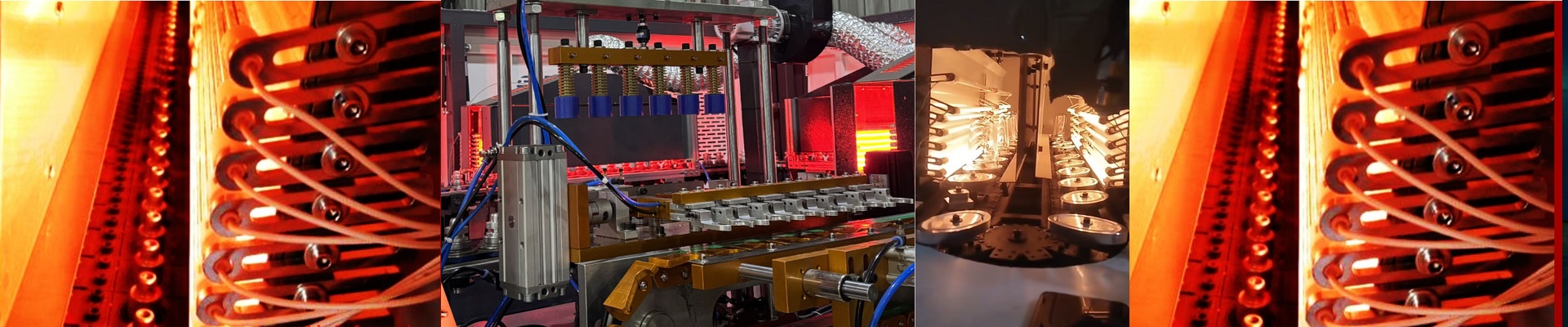

When the shop floor turns cold, hands go stiff, tools get slick, and focus falls apart. In a garage workshop, that chill isn’t just uncomfortable—it drags out every task, from sanding to soldering, and turns safety into a daily gamble. What you need is heat where you stand, not just warmer air. That’s where infrared warmth earns its keep.
What matters under the hood
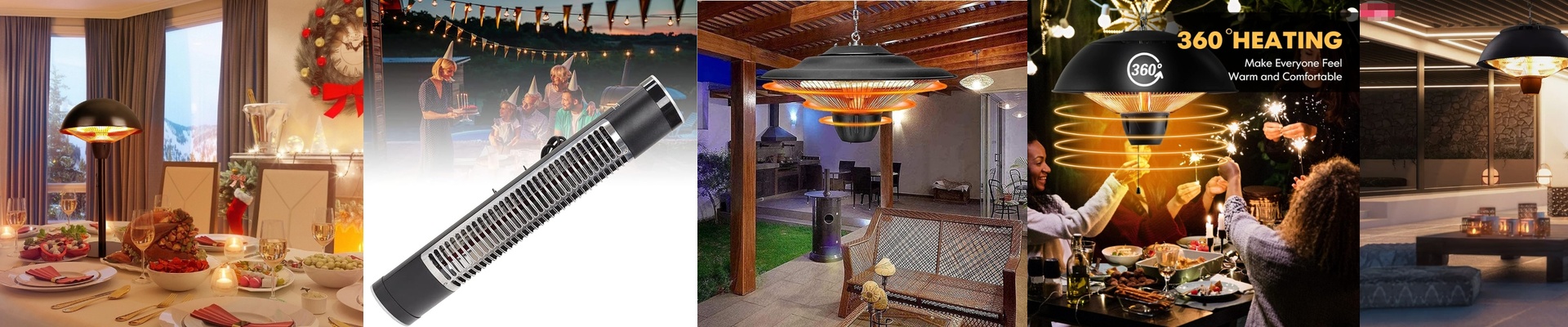
Garage infrared heaters work on radiant energy, the same way the sun does, warming people and workpieces directly. We build our units around a carbon fiber element in a compact housing, producing medium-wave infrared that cuts through clothing and gets into muscles without scorching the air. The payoff is immediate, draft-free heat. Match the power to what you have: pick a 120V or 240V model to line up with your outlet and breaker, and size the wattage to the space. 1500W is enough for a one-car garage; step up to 3000W for larger bays. A built-in thermostat keeps the temperature steady, and tip-over protection shuts the unit down if it gets bumped. In dusty, damp shops, look for an IP rating of IP34 or higher to keep drips and debris out of the internals.
Why it works in a shop
Radiant heat keeps the job moving. You feel warmth within seconds, so you can get to finishing, welding, or assembling without waiting for the air to heat up. Staying comfortable means fewer breaks to warm up, which translates to steadier output and fewer mistakes. Because infrared warms objects and people—not the entire volume of air—it can be more efficient than forced-air in workshops with high ceilings or open bays. You’ll see lower energy use during short sessions and more stable conditions right where you work, at the bench.
Practical setup details
Place the heater 6 to 8 feet from the work area, aimed at your torso and hands, and keep a 3-foot clearance from anything combustible. Infrared is line-of-sight, so reflective shields help direct the heat and cut glare. For best results, pair the heater with a small circulation fan to smooth out cold spots. If you need to cover multiple zones, consider two smaller units instead of one big heater—control and comfort both improve.Keep it simple: aim, distance, clearance.