

Outdoor evenings end fast when the air turns sharp. You crank up the patio heater, watch the energy use climb, and still feel people shivering. An umbrella heater flips that script by delivering infrared warmth straight to people and surfaces, not up into empty air.
What matters under the hood
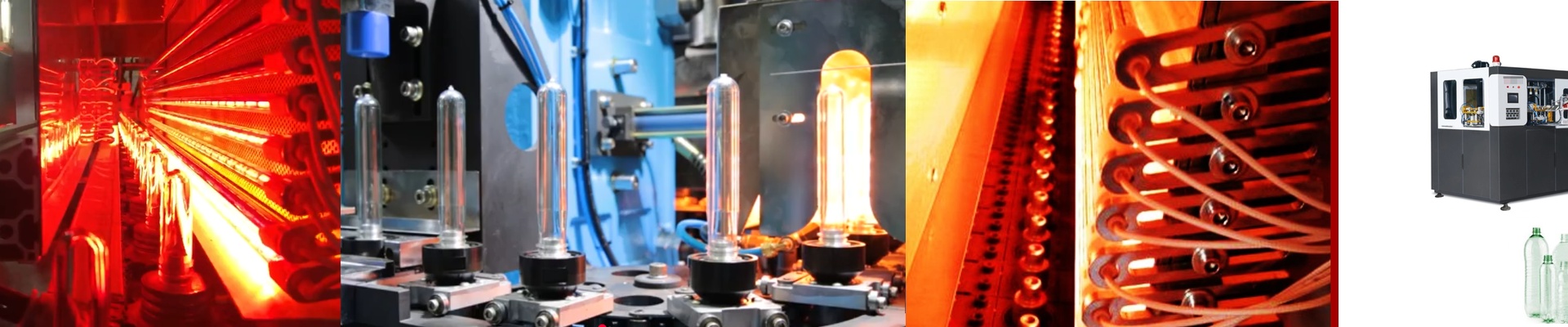
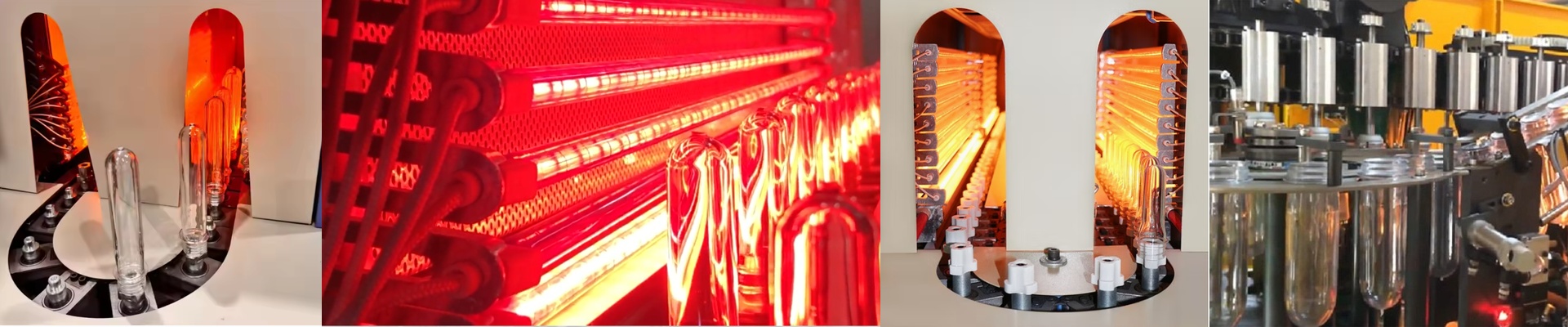
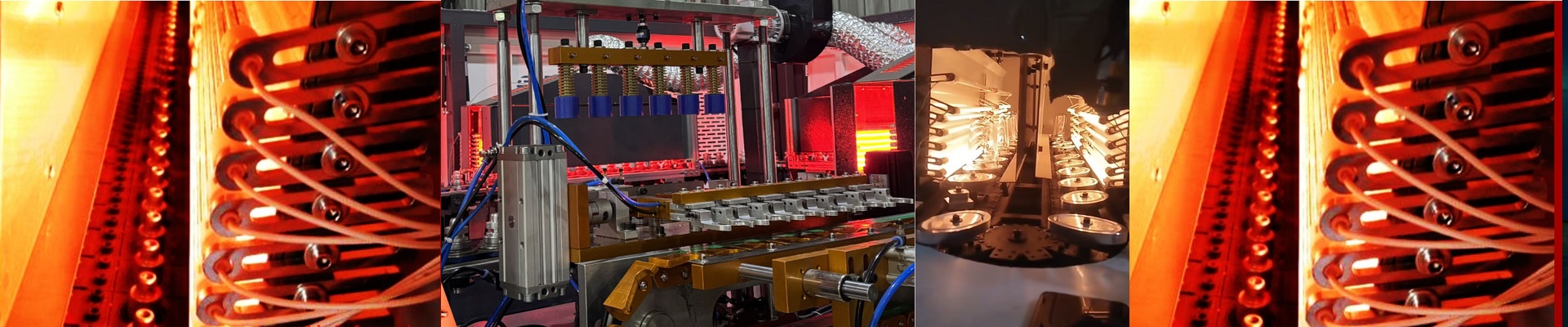
We build umbrella heaters around efficient infrared elements—carbon fiber or quartz tubes—that turn most of the input energy into radiant heat. Warmth travels in a straight line, hitting tables, floors, and skin the moment the unit is switched on.
Many models run on a standard 120V outlet, so setup is straightforward. A built-in thermostat keeps output steady instead of cycling hard. In practice, that targeted delivery can cut total energy use by roughly 30% compared with convection-style outdoor heaters, because you aren’t wasting watts heating air that just drifts away.
Why it works where you need it
On a chilly patio or deck, comfort comes down to speed and consistency. Infrared heat reaches you almost instantly, so guests feel cozy without waiting around. Because the heat is directional, it stays where you aim it—under the umbrella canopy, around the seating area—so you’re not trying to heat the whole yard.
That focus is what keeps monthly energy bills in check, and it stretches the outdoor season without the guilt of running an electric heater all evening.
The practical details
For the best results, position the umbrella heater so the radiant field covers the seating zone, and keep clearance from fabrics and overhead materials. Most units are built for dry, covered outdoor spaces; many carry an IP rating for splash protection, but they aren’t meant for heavy rain or submersion.
Expect the element housing to get warm during operation—keep kids and pets at a safe distance. And always follow the mounting and tip-over protection instructions to keep the unit stable when the wind picks up.