
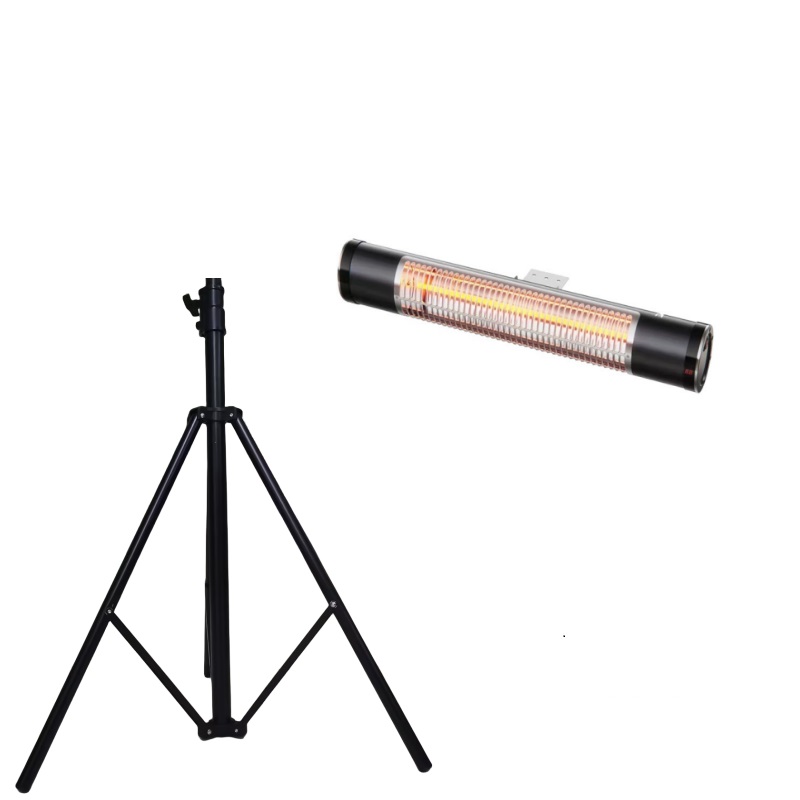
Getting the Heat Right in a Gym
When you’re heating a gym, you’re not just trying to warm up the air. You’re aiming for that deep, radiant heat that actually makes people feel comfortable. And that comes down to matching the heater’s power to the room itself. It’s not guesswork. It’s math. You’ve got to look at the room’s orientation and how well it’s insulated. A gym facing south with solid insulation has totally different needs than one facing north with single-pane windows. Get that calculation wrong, and you’re either fighting an uphill battle or throwing money away on wasted energy.
Wattage, Voltage, and the Real-World Trade-Offs
The wattage on an infrared heater is what determines how much heat it puts out. For a gym, we’re talking serious power—usually between 2000W and 5000W per unit, depending on the ceiling height and the size of the space. Voltage matters just as much. You’ll see units that run on standard 230V and others that need industrial 400V. The 400V units are for the high-power models. They pull less current for the same wattage, which means you can use smaller wires and worry less about voltage drop over long distances. But here’s the catch: 400V needs a dedicated three-phase power supply. You can’t just plug it into a regular outlet. It’s a trade-off, but for a large gym, it’s the smart one.
The Heart of the Machine: The Quartz Tube
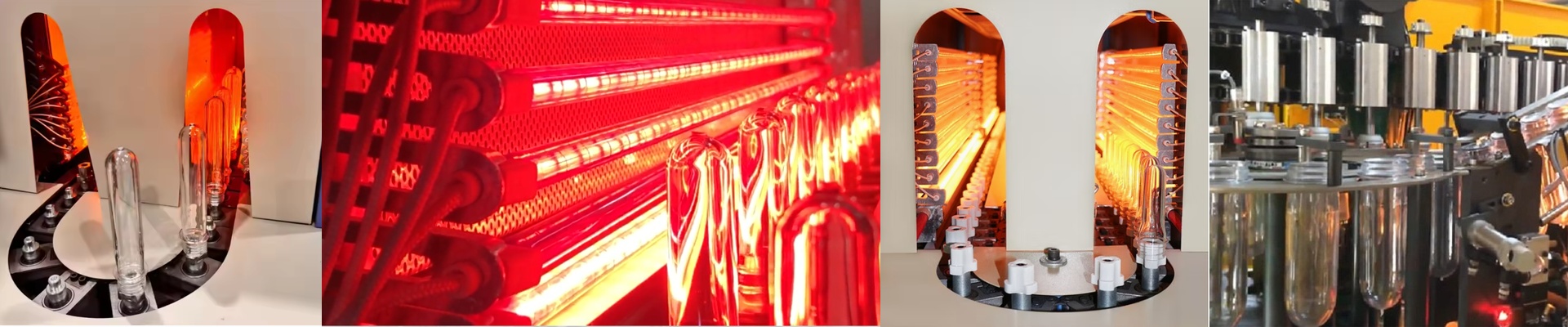
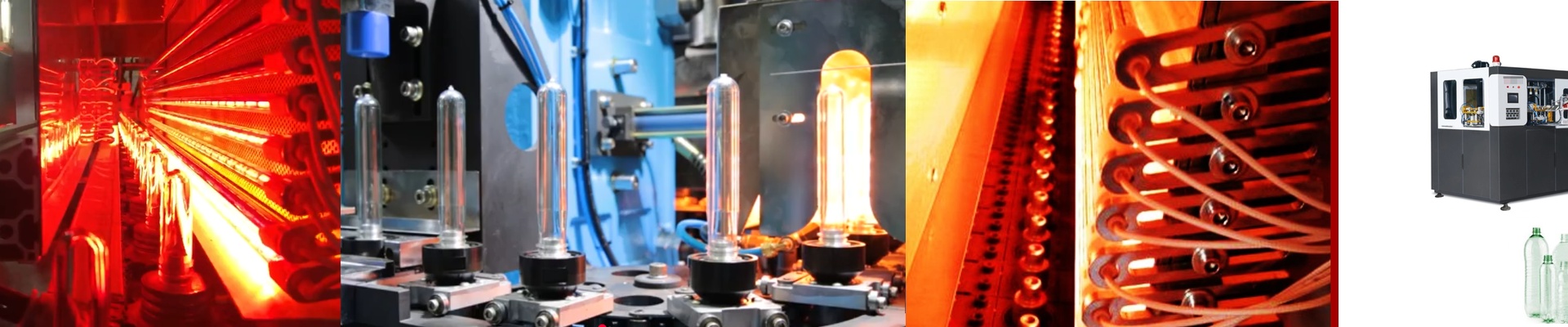
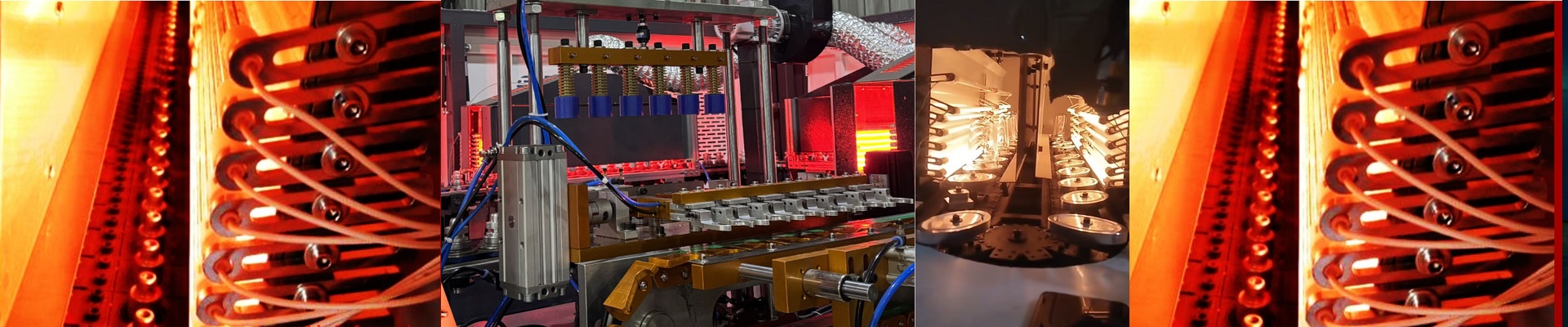
The heating element itself is a quartz tube, often filled with halogen. This thing is built to take a beating. It’s designed to handle being turned on and off constantly, day after day. It connects with an R7s fitting—a double-ended, linear connection. That design gives you a solid, low-resistance electrical contact, and makes replacing the tube simple. No special tools needed. The quartz material is great at sending that infrared energy straight down, where you need it. It doesn’t waste energy heating the ceiling. It’s a tough, straightforward design built for the real world.
Built to Handle the Chaos of a Gym
A gym is a tough place for a heater. You’ve got constant air movement from ventilation and people moving around non-stop. Traditional heaters that rely on warming the air just can’t keep up. The warm air gets blown away almost instantly. Infrared heaters sidestep that problem completely. They warm up the people and the equipment directly. So when you flip the switch, you feel the heat on the floor and the gear right away. For anyone designing the system, that means lower running costs and a space that stays comfortable, no matter how much the air is moving.
The Smart Way to Choose the Right Heater
Choosing the right unit comes down to a heat loss calculation. You feed it the basics: the room’s dimensions, how much glass there is, the insulation rating, and which way the room faces. It then tells you exactly how many watts you need per square meter. This scientific approach keeps you from making costly mistakes. It prevents you from buying a unit that’s too big, which just wastes electricity and wears out the quartz tube faster. And it stops you from getting one that’s too small, which leaves the room cold and forces the heater to run constantly. Getting it right the first time saves you money on both the equipment and your energy bill.