


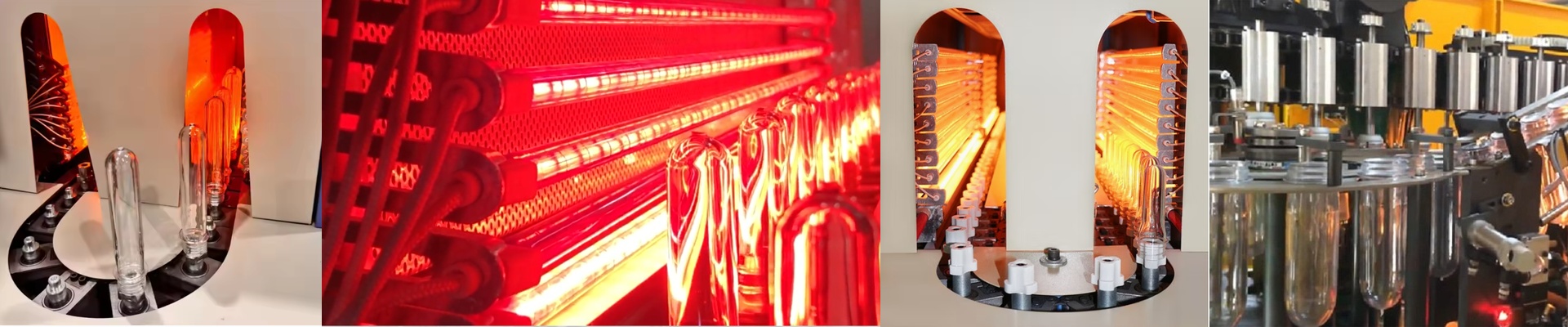
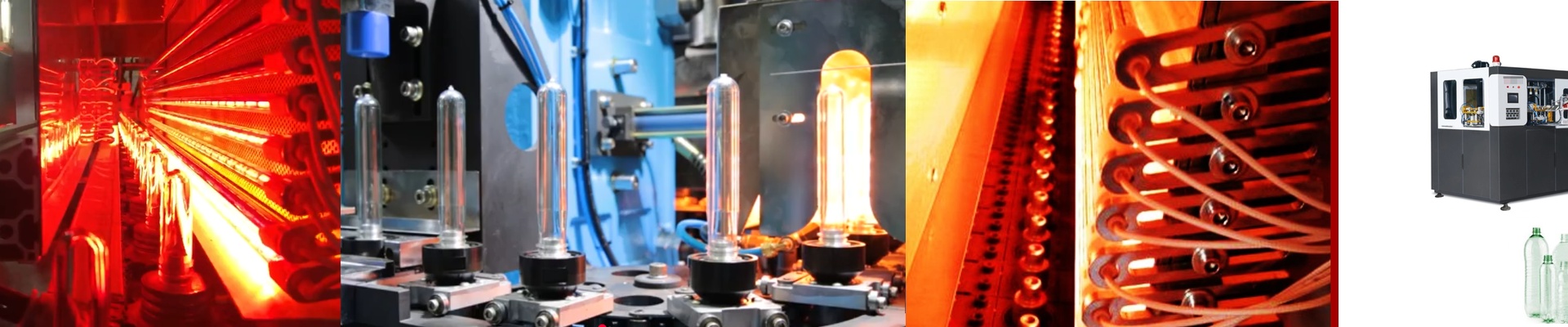
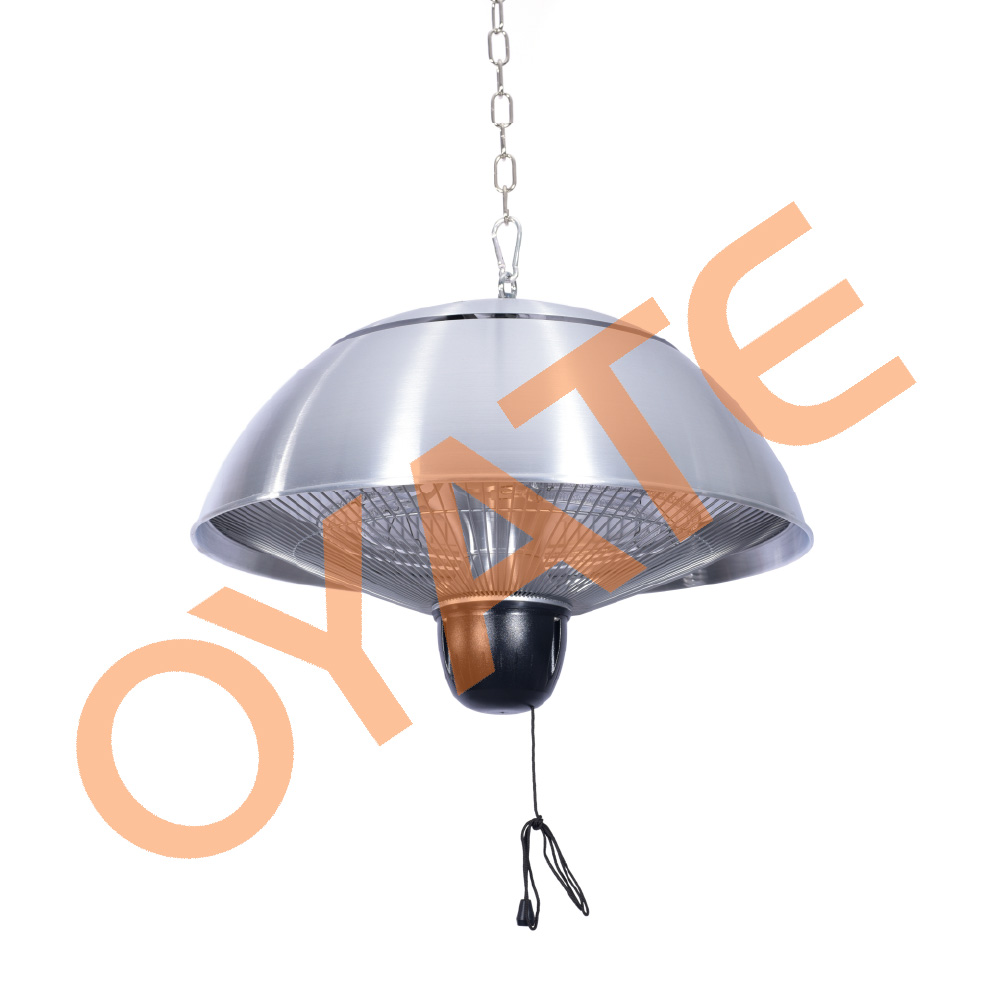
We built this high-ceiling factory radiator to be a direct-mount infrared heater—made for the places where moisture messes with electrical gear. If you’re an engineer wrestling with damp bathrooms or humid plant areas, the real goal is simple: get serious spot heat without gambling on failure.
Technical Deep-Dive
At the heart of it is a high-output infrared lamp, built for industrial life. It runs on 400V and throws out 2500W—packed into a compact 300mm tube. That power density isn’t by accident. It focuses the heat exactly where you need it, so you use less ceiling space and you don’t have to recirculate as much warmed air.
Material & Design
We went with a quartz envelope and a halogen fill. Quartz handles thermal shock way better than glass, so the filament stays steady even when you cycle the unit on and off again and again. The shortwave output gives fast, localized heating—but it also means you need rock-solid electrical isolation. That isolation comes from ceramic end-caps and the R7s connector interface. The R7s gives you a secure, keyed fit, and it keeps the live parts completely separated from the mounting hardware. And that coating on the tube? It’s not just for looks. It’s a protective layer that fights moisture absorption and prevents surface tracking.
Application & Benefits
In a damp bathroom or a humid factory bay, you wire it in once, seal the junction, and the design stops leakage paths from forming. It’s a drop-in replacement for old high-mount radiant heaters, so you can upgrade without tearing up the ceiling layout. Now, the trade-off is real: 2500W in a 300mm tube is serious heat density. So your control wiring, thermal protection, and ventilation need to be sized to match. But when you get the surrounding system right, you end up with a heater that can take a beating, stays electrically reliable, and keeps the work area warm—without getting tripped up by ambient humidity.