



Built to Handle the Bathroom—No Questions Asked
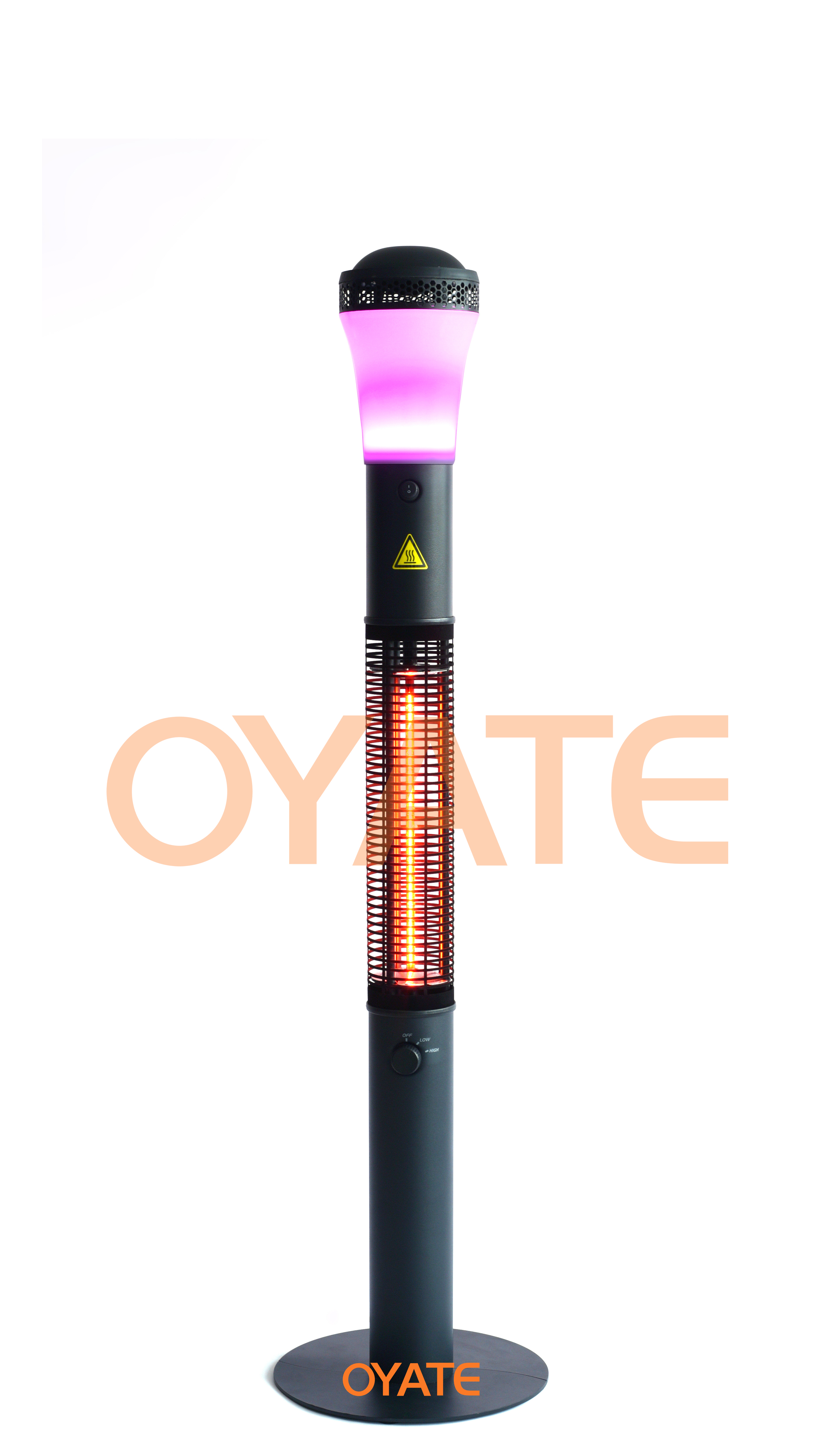
Let’s be honest: bathrooms in winter are brutal. Steam everywhere. Water splashing this way and that. So we built this infrared heater to live in that chaos and still keep doing its job. It’s IPX5 rated, which basically means it can take jets of water from any direction without panicking. That’s not just a number on a box. It’s what keeps the inside—especially the quartz tube and the electrical connections—safe and dry. And because it carries CE certification, you know it meets serious safety standards for electrical insulation and how it handles heat. In plain terms? It’s made to survive the daily wet grind without shorting out or rusting away.
Heat That Shows Up the Moment You Need It
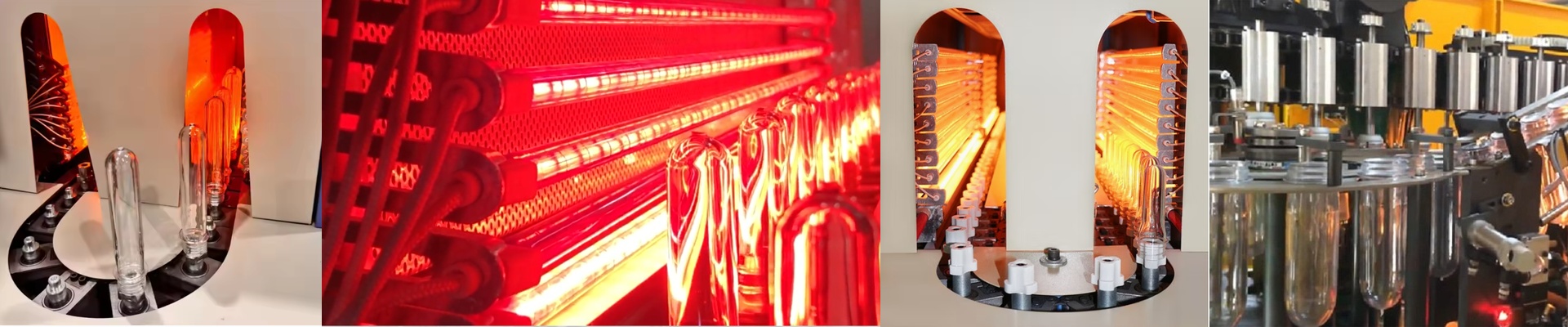
Here’s the magic: this thing doesn’t waste time warming up air like old-school convection heaters. Instead, it throws radiant heat that goes straight to surfaces and people. Inside, a shortwave infrared quartz tube gets the filament hot almost instantly. The result? On-demand warmth, right when you step out of the shower. We spec the lamp for high wattage density so the temperature climbs fast. No waiting. No energy lost heating the whole room. Just direct, targeted heat where you want it, when you want it. And the quartz is tough enough to handle the shock of turning on and off again and again without cracking.
The Small Choices That Make It Reliable
We fill the quartz envelope with halogen gas. Why? It helps keep the filament stable, so the lamp stays strong through countless on/off cycles. Then there’s the R7s connector. It’s the standard for this kind of linear tube, and it does two simple things well: it makes a secure, high-temperature connection and keeps installation straightforward in the field. And because the unit is compact, you can mount it in tight bathroom spots without fighting the space.
Why It Works in a Bathroom, and What to Keep in Mind
In a bathroom, this heater shines because it zeroes in on cold spots. And the instant-on feature? It kills that awkward waiting period you get with fan-forced units. The IPX5 rating also makes it a natural fit for areas that get wet. But there’s a trade-off that matters. Because it runs hot, you need to make sure the mounting spot and nearby materials can handle the focused radiant heat. Also, double-check that the electrical circuit is rated for the lamp’s power draw. That keeps everything running safely. If you’re an engineer or a facility manager, this setup gives you a practical, code-compliant way to get immediate heat in wet spaces—without turning the installation into a headache.