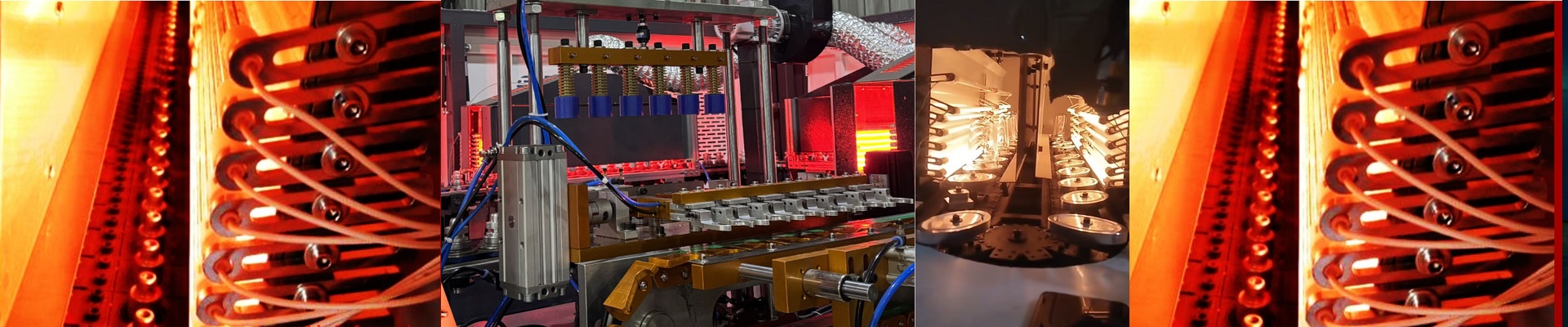
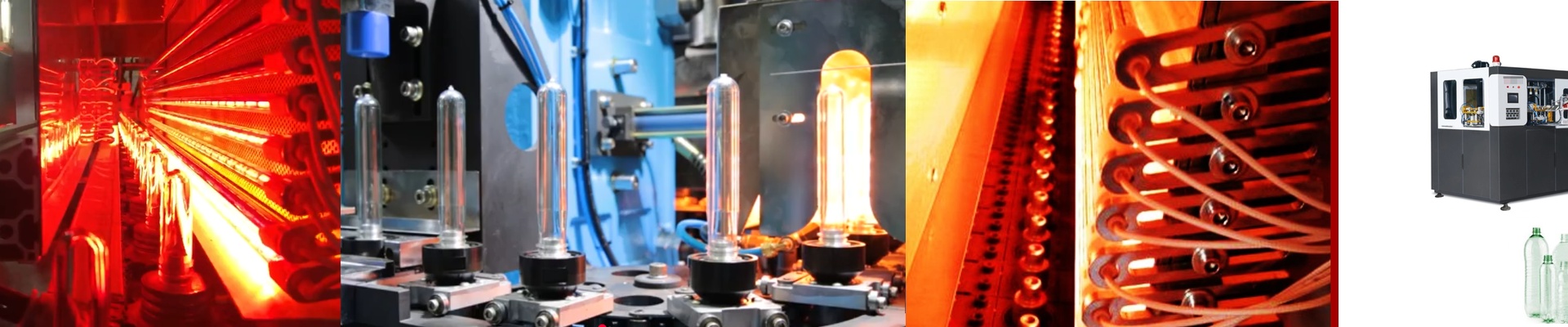
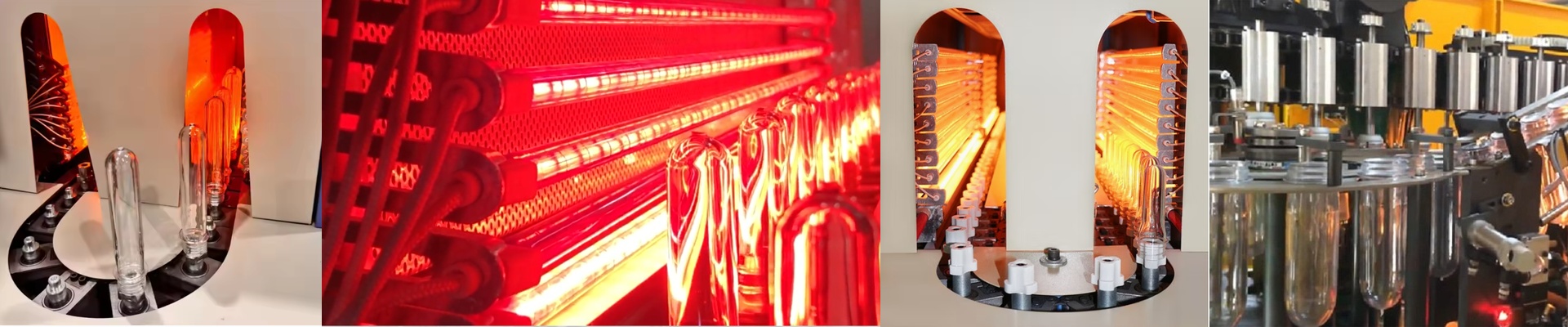
When your griddle starts to lag, the whole line feels it. Eggs spread out thin, burgers steam instead of sear, and service turns into a scramble. A weak or failing infrared lamp doesn’t just mess up timing—it changes the taste. Our replacement infrared lamp for restaurant griddles is built to bring the heat profile back to what it should be, so the surface recovers fast and holds steady through the rush.
What matters, technically
We spec short-wave quartz infrared emitters because they throw intense, directional radiant heat and warm up quickly. Typical ratings run 2400–3600 W, in 120 V or 240 V configurations, matched to the common griddle thermostat control. The quartz envelope takes the thermal shock of repeated on/off cycles, and the internal filament geometry spreads heat evenly across the hot zone. You’re looking at full operating temperature in seconds, not minutes, and consistent output across thousands of cycles.
Why it fits the work on a griddle
Griddle work is a rhythm: high heat, fast recovery, and consistent contact. A properly matched infrared lamp brings a cold spot back to target fast, so you get even searing across the plate, predictable doneness, and fewer pass-backs. In practice, that means fewer undercooked proteins, better crust development on hash and vegetables, and less idle time waiting for the surface to rebound. Energy use drops because the lamp hits temperature quickly and holds it without overshoot.
The practical details
Installation is straightforward, but polarity and mounting clearance matter. Confirm voltage, socket type, and reflector alignment before you swap. Keep the emitter clean and dry, and don’t touch the quartz with bare skin—oil residues create hot spots that shorten life. Plan the replacement during a lull, and keep a spare on hand so your service window stays protected.