

When the cold front hits, you don’t have time to wait around. Traditional heaters make you stand there, shivering, while the air slowly warms. With an infrared heater, you feel the heat the second you flip it on. No preheat. No lag. Just immediate, comforting warmth.
What’s actually happening under the hood
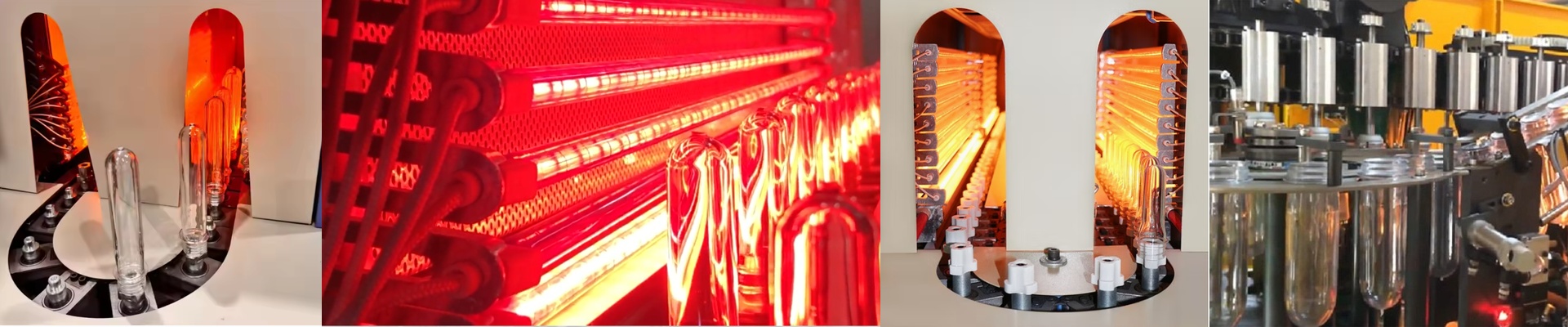
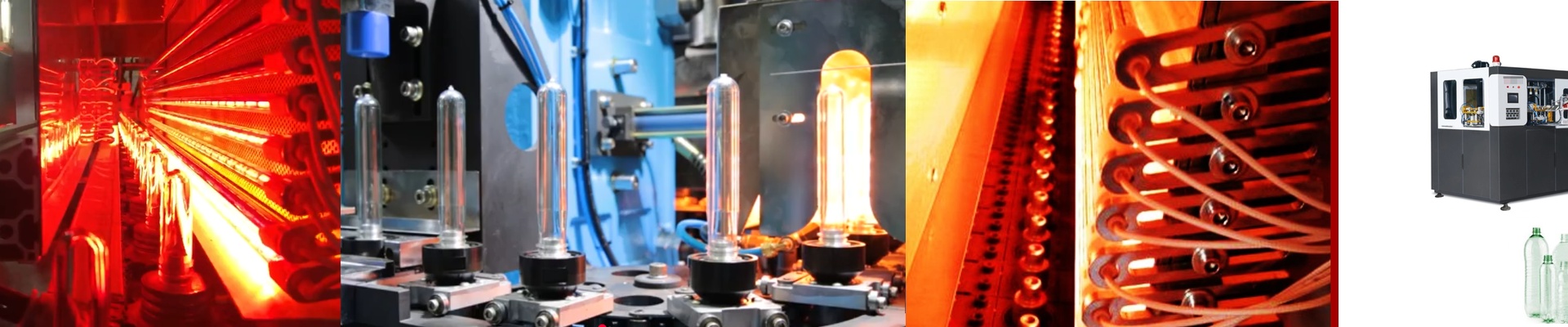
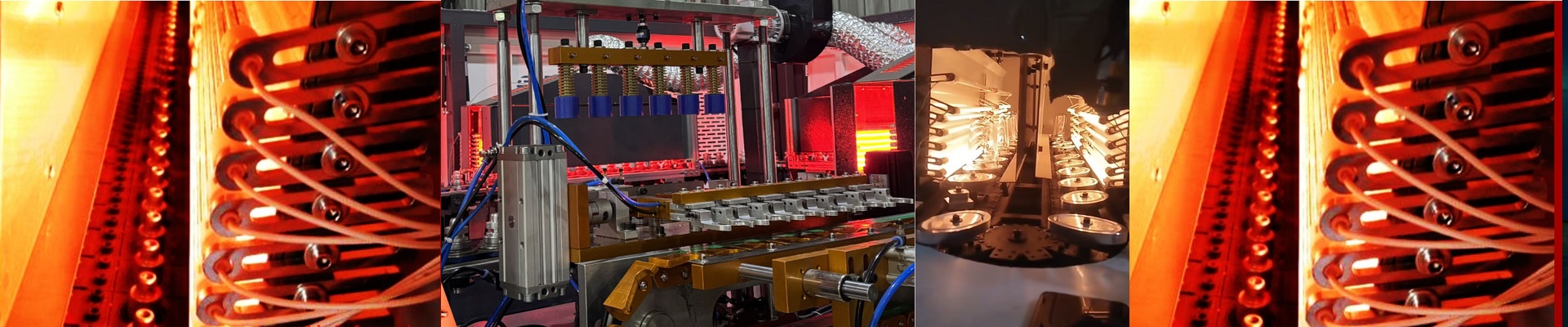
Infrared heaters work on radiant heat, warming people and objects directly instead of the air around them. That means the energy goes right where you need it, without a warm-up delay. The heart of the unit is a high-efficiency carbon fiber or quartz element that comes up to full output in seconds. Add a precise thermostat and a full-function remote, and you can adjust the temperature, set timers, and switch modes without getting up from your chair. Most models run on standard household power and draw 1200–1500W. For safety, they’re built with tip-over protection and an overheat cutoff—peace of mind built in, not bolted on.
Why this matters when it’s freezing outside
On a cold night, you want heat now, not ten minutes from now. Infrared gives you that near-instant heat balance, so you’re not standing by a cold patio heater or stepping into an unheated sunroom. You feel the warmth within seconds, not minutes. That quick response keeps you comfortable, supports steady circulation, and helps muscles relax—perfect for outdoor evenings, drafty workshops, or a chilly home office. Because the warmth is directional, you use less energy to stay cozy, and the heater runs quietly without blowing air around.
The practical details that make a difference
Infrared shines in open or semi-enclosed spaces where you can feel the beam of warmth. For the best results, point the unit at seating areas, not at walls. Keep a clear clearance around the heater and plug it into a grounded outlet. The remote is convenient, but make sure the line of sight stays unobstructed. If you need whole-room comfort, pair the infrared unit with a gentle convection heater to keep the air moving.