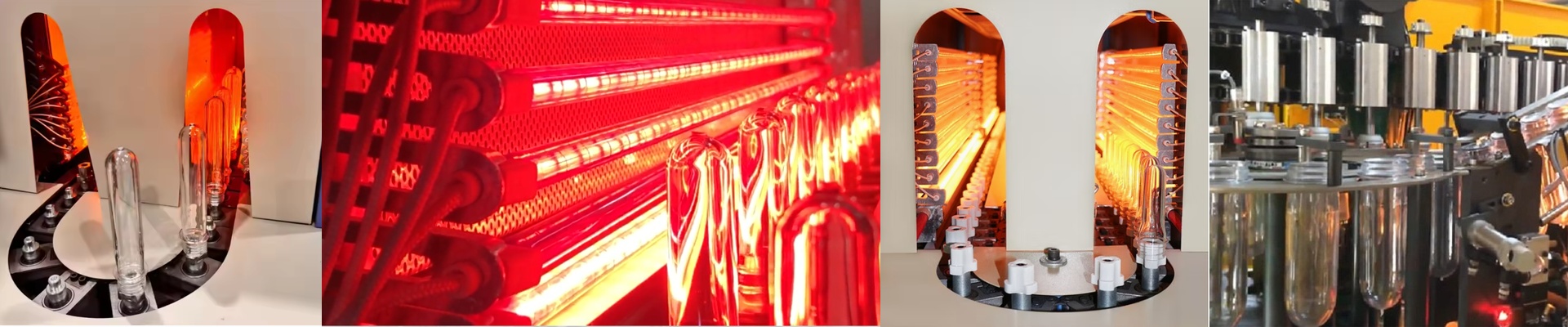
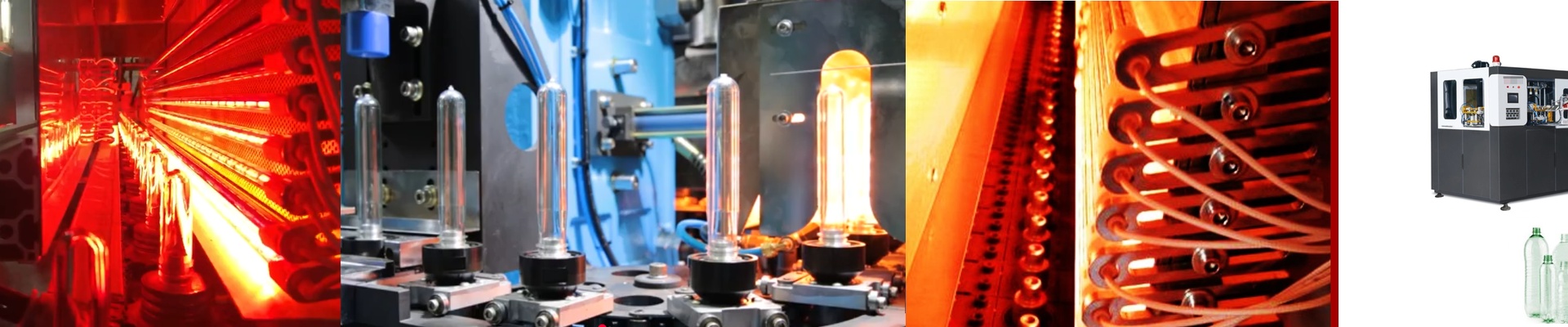
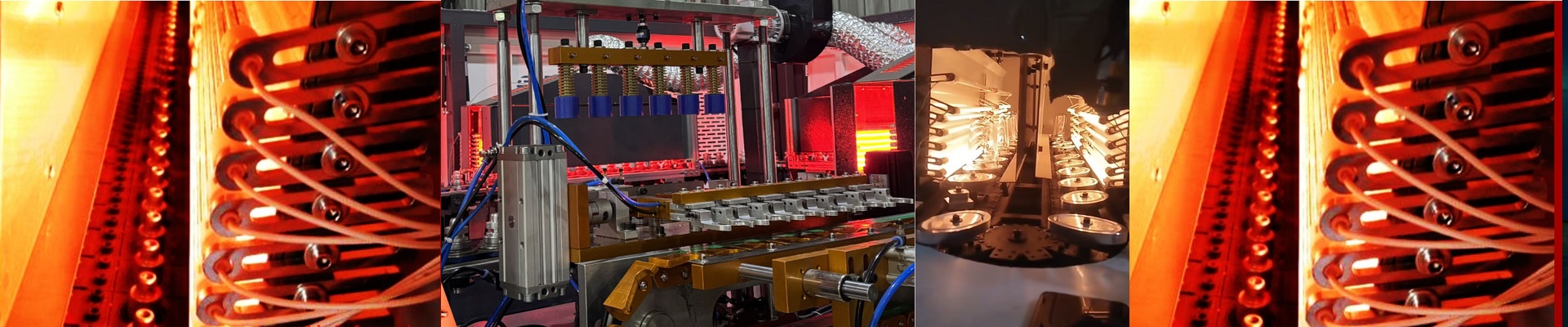
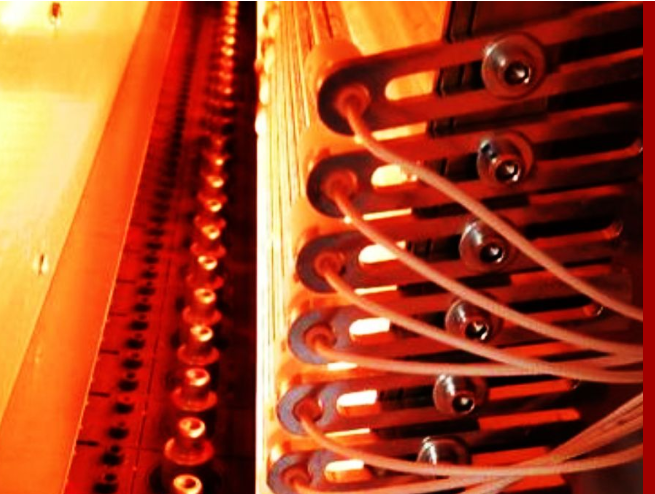
On the blow molding floor, the heating tunnel is where the day’s schedule gets made—or wrecked. Under-softened preforms give you weak bottles and scrap. Uneven heat? You spend your shift chasing rejects and bleeding speed off the machine. For stretch blow molding, a 230V quartz heating tube is the clean, practical way to get stable, repeatable preform heating. What matters, technically We build these as direct-fit emitters for blow molders—230V, matched wattage, and standard R7s connections. The quartz envelope responds quickly, so temperatures rise and fall fast when you switch bottles. That responsiveness is exactly what you need to control the preform’s temperature profile. You can tune the power to match the heating zone layout, so the heat flux lines up with wall thickness and material grade. In practice, that means a predictable thermal curve across the tunnel, shift after shift. Why it works in the real world The job is simple: heat the preform fast, even, and without overshoot. Quartz infrared gives you tight control over the heat field, so you hit the right window for PET—enough penetration for biaxial stretch, without scorching the surface. The payoff shows up as fewer pinholes, better top-load strength, and less downtime spent swapping lamps. And when the lamps are matched to the machine’s voltage and power distribution, you stop wasting energy on heat that never even reaches the preform. A few things to keep straight Installation is quick, but alignment isn’t optional. Tube position directly affects thermal distribution, and a small offset can show up as a stripe on the bottle. Keep reflectors clean and in place, and verify voltage at the socket—230V is nominal, but the supply can drift. You get peak output when the tube is clean and the preform stays centered, so plan routine inspections to keep the heat profile stable.