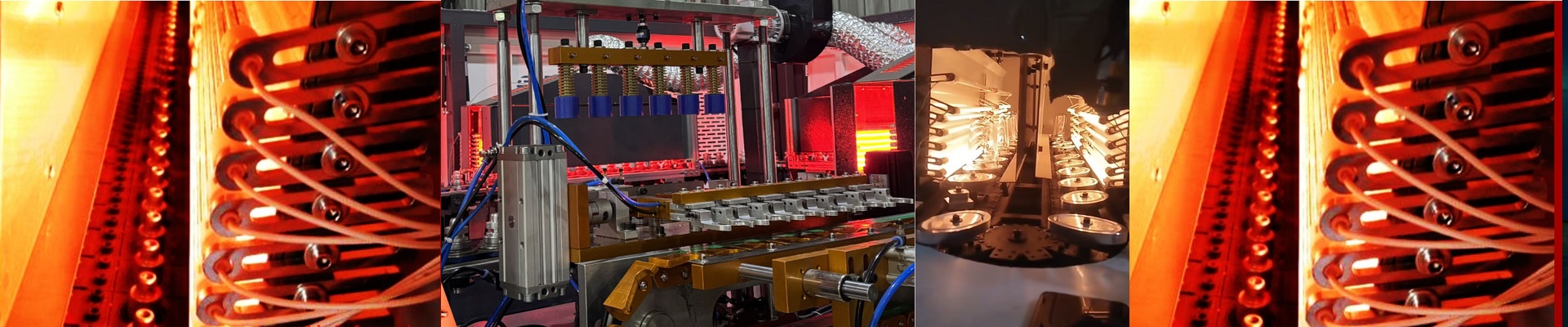
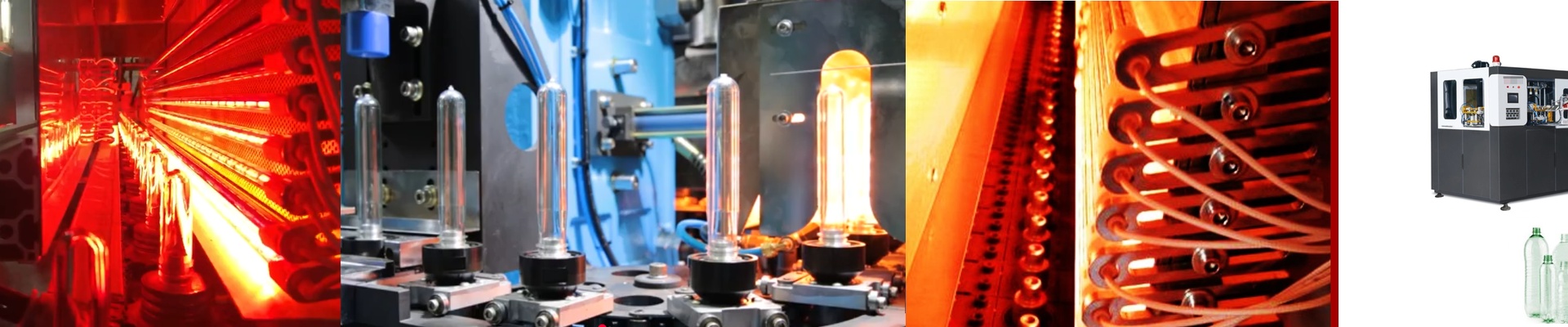
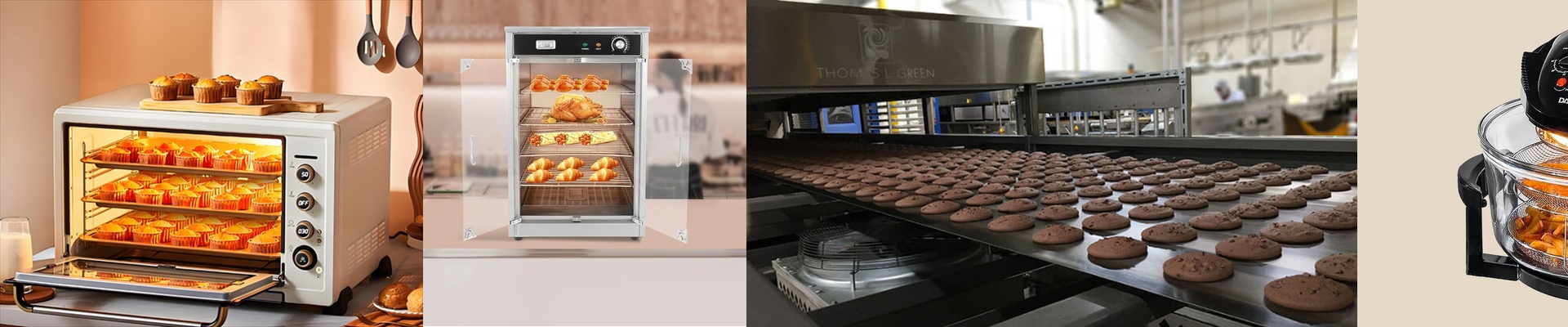
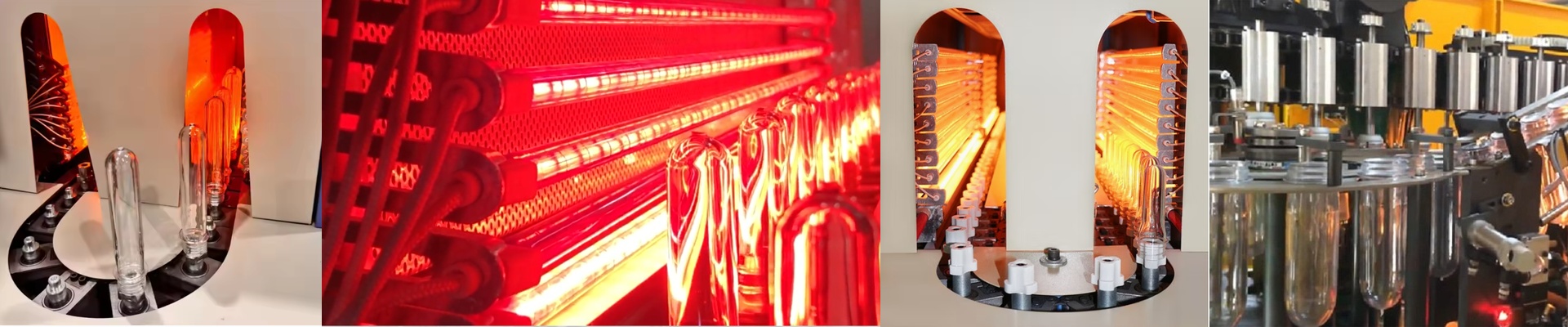
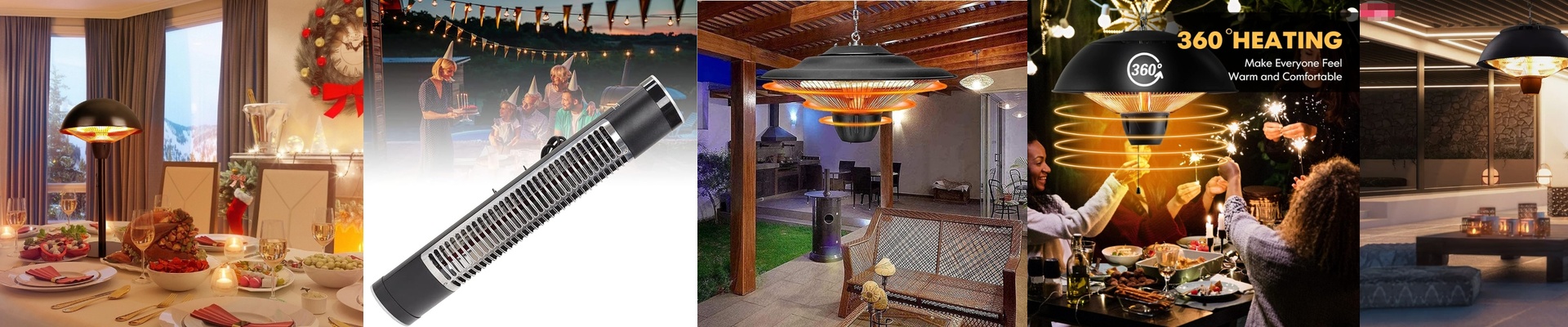
When the lunch rush hits, you can’t afford a deck oven that takes its time waking up. Preheat lag drags out ticket times, and uneven heat across the stone hearth shows up as inconsistent crust and missed orders. The auxiliary ceramic heater for pizza ovens is designed to fix exactly that—by putting targeted heat right where the baking chamber needs it.
What matters under the hood
This auxiliary ceramic heater is a compact, fast-response heat source that slots into the oven’s existing thermal setup. It delivers quick, localized output to cut the time from a cold start to a stable baking temperature, and helps the oven hold setpoint with fewer swings. The ceramic construction spreads heat evenly across the adjacent surface, supporting more uniform conduction into the dough—especially on stone hearths, where edge scorching and pale centers usually come from uneven energy delivery. The specs are matched to commercial kitchen power profiles, so it can be wired into standard oven circuits without reworking the panel.
Why it works in a busy shop
In a packed pizzeria, the bottleneck is often not the oven’s top temperature—it’s the minutes you spend waiting for the deck and the surrounding air to equalize. Adding this auxiliary ceramic heater shortens that wait, so you can start baking sooner and keep tickets moving. The payoff is a more repeatable bake: better blister control, more consistent caramelization, and fewer rejects from under- or over-baked pies. It also reduces the need to over-fire the main burners during warm-up, which can translate into lower peak gas draw and less stress on the oven’s heat management system.
What to keep in mind
Installation is straightforward, but compatibility depends on oven cavity dimensions, mounting points, and the control strategy—some ovens need a dedicated thermostat or relay integration for auxiliary heat. Plan for proper clearance to airflow, and verify voltage and terminal capacity before you wire it in. And because ceramic heaters concentrate heat, don’t change your loading habits: keep airflow paths open so the heating zone isn’t blocked by pans or racks.