
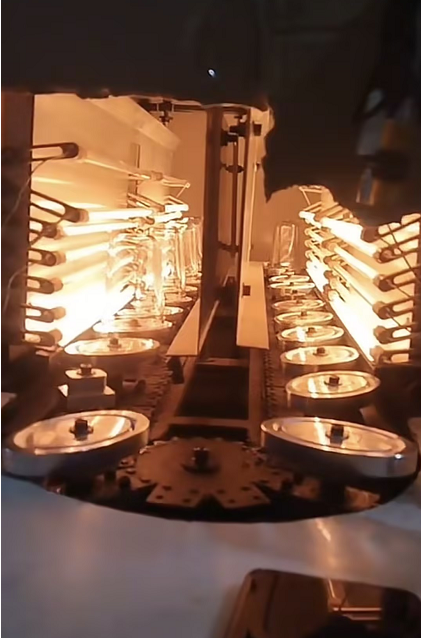
Getting Your SACMI Rotary Blow Molding Heat Just Right
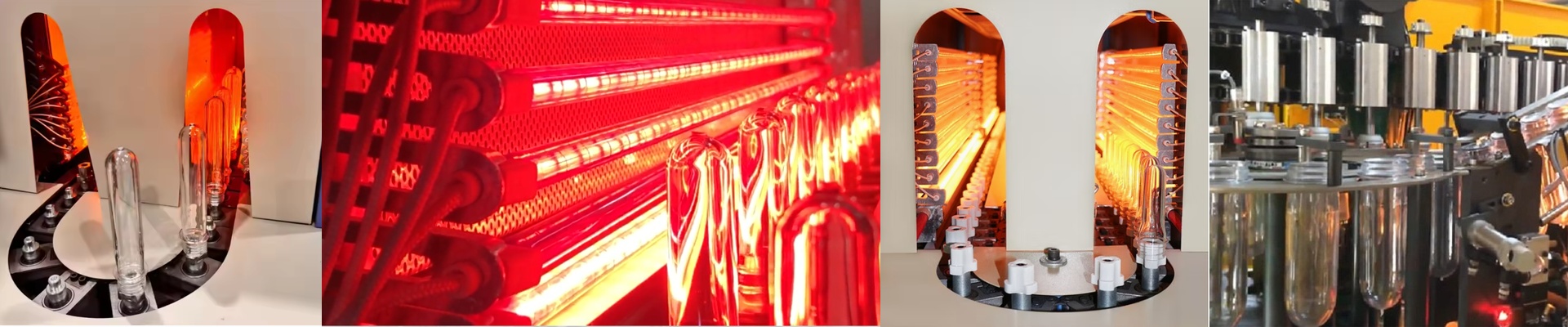
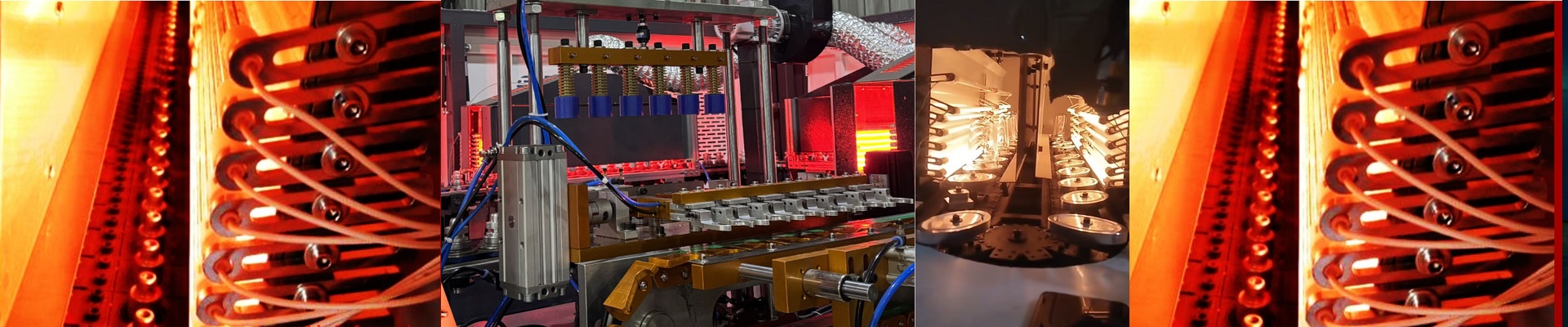
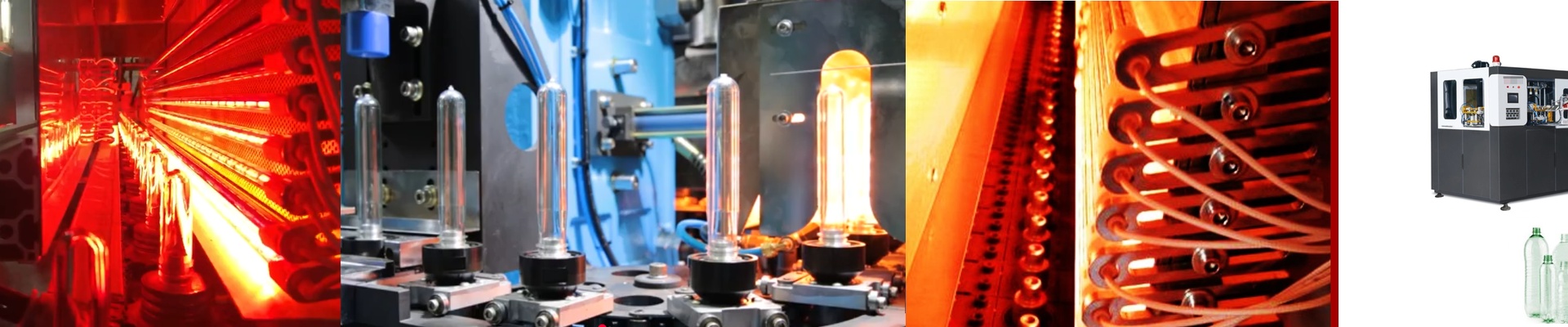
When you’re running SACMI rotary machines, everything happens fast. Like, really fast. You’ve only got a fraction of a second to get that PET preform heated up. If your IR lamps are sluggish during startup or can’t hit that peak temperature the moment they’re needed, you’re going to see it in the bottles. You get those annoying thin walls or “pearling” that ruins a whole batch. It’s frustrating, and it wastes material. Cutting out the lag We built our IR lamps specifically to kill that thermal lag. By tweaking the tungsten filament diameter and using high-purity quartz glass, we’ve made them snap to full power almost instantly. The best part? Your first few bottles look exactly like the ones you’re popping out halfway through the shift. No more “warm-up” waste. The nitty-gritty These are drop-in replacements. They fit SACMI specs perfectly, so you aren’t fighting with the hardware. We focused on high power density to get the PET resin to its transition temperature fast, and we used standard connectors. Why? Because nobody wants a wiring nightmare when they’re trying to do a quick change-out on a loud, busy shop floor. One quick heads-up:**match your voltage and wattage exactly.**If you try to “over-spec” the wattage without beefing up your cooling blowers, you’ll likely cook the lamp ends and fry your sockets. Not a fun way to spend an afternoon. Dealing with the heat Shortwave IR is the only way to keep up with a rotary machine’s cycle speed. It doesn’t just bake the surface; it punches through the PET wall quickly. But here’s the thing: these high-output lamps take a beating. To keep your heat curve steady, you’ve got to stay on top of your replacement schedule. If you run a lamp way past its prime, it doesn’t just get “weaker.” The spectral output shifts. That throws off your heating zones, which usually leads to people cranking up the power to compensate. That’s how you end up putting way too much stress on your electrical panels. Better to swap them out early than to deal with a blown panel.