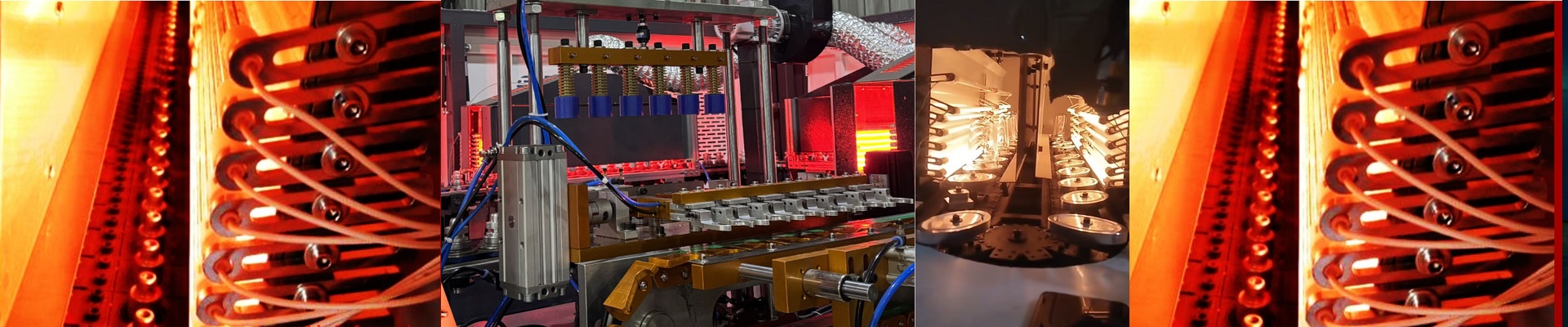
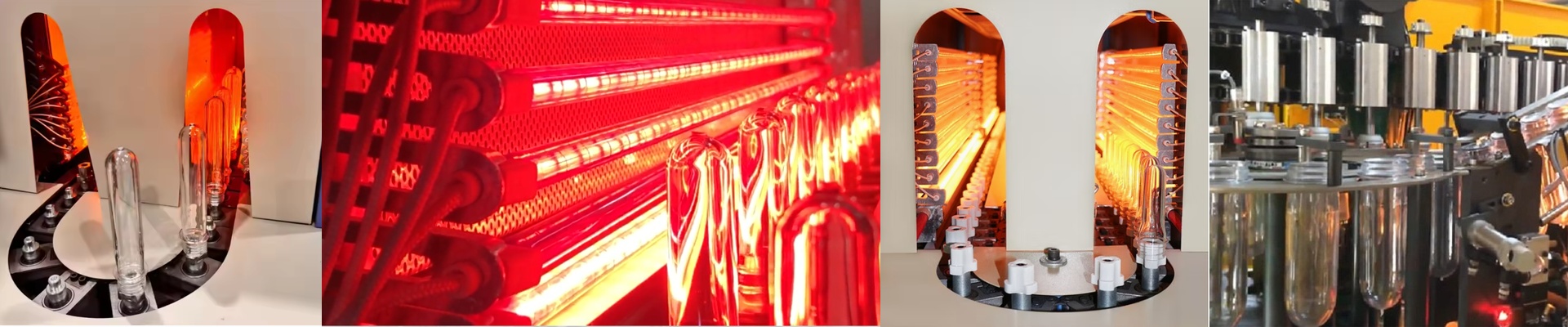
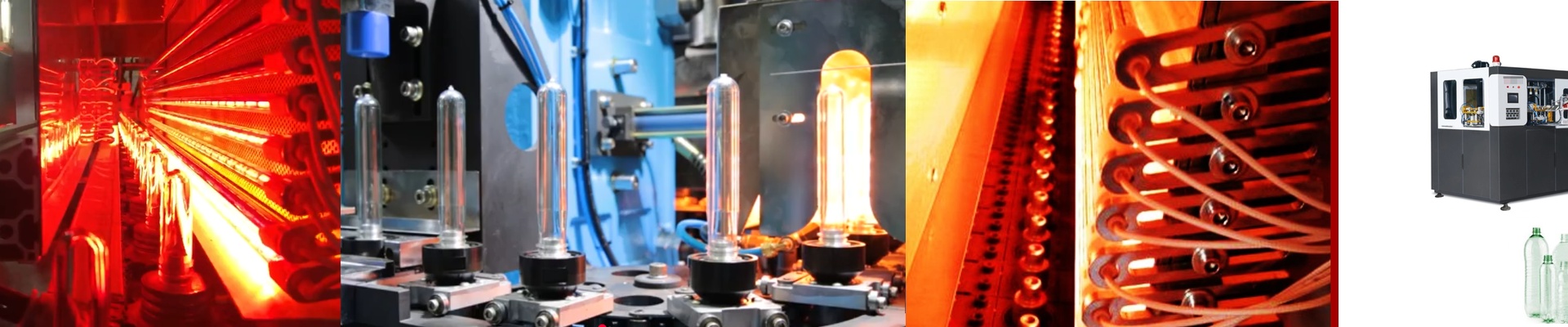

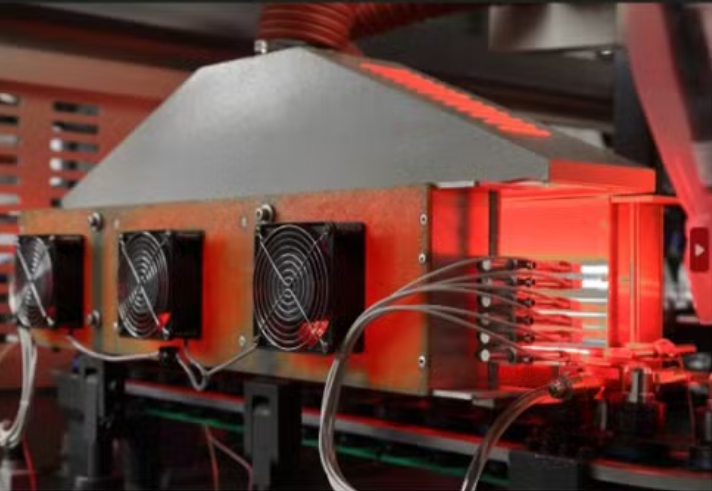
On the blow molding line, the heating tunnel is where the pressure really shows. Under-heated preforms force you to throttle back speed, and over-heating chews through kilowatts while risking crystallization. When the ceramic lamp socket on your SIPA machine starts arcing, discoloring, or drifting out of alignment, the whole heating profile goes sideways. Downtime isn’t just lost bottles—it’s your confidence in the process that takes the hit.
What matters under the hood
We built this SIPA ceramic lamp socket to match the OEM footprint and electrical interface, so it drops straight into the heating tunnel without rewiring or panel mods. The ceramic body takes sustained high heat without warping, and the internal contacts hold spring pressure through thousands of cycles. It’s specced for the same voltage and power range as the original, so your PID tuning and temperature curves stay consistent. At the emitter end, it holds the quartz tube securely and keeps the focal distance steady. And yes, a 1–2 mm shift changes preform surface temperature enough to move the sweet spot of stretchability.
Why this matters on an SIPA stretch blow molder
On an SIPA, heating stability is what keeps you at target output. This socket keeps the infrared path aligned, so preform heating repeats shot-to-shot. You keep the same lamp types, the same reflector geometry, and the same cycle times—without paying OEM list price. Because it’s a direct replacement, you avoid the tolerance mismatches that can let heat bleed, force recalibration, or cut lamp life short. The payoff: fewer stops for lamp changes, fewer scrapped lots, and energy draw in the heating tunnel that you can count on.
Practical notes from the line
Installation is straightforward, but treat ceramic like what it is—brittle. Torque the clamps only until snug, and keep oils and solvents off the ceramic to avoid thermal cracking. Before ordering, confirm your machine’s lamp wattage and base type. Even if a socket fits physically, mismatched wattage will change thermal response. For the longest life, keep reflectors clean and make sure the cooling air path stays clear. Heat buildup in the socket drives contact oxidation and will shorten cycle life.