
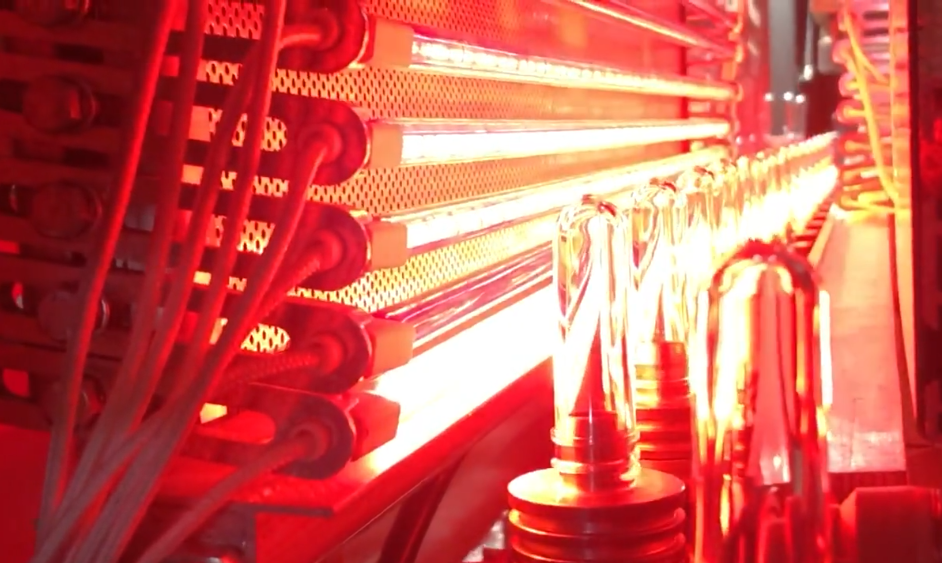
Stop Overpaying for PET Heater Replacements
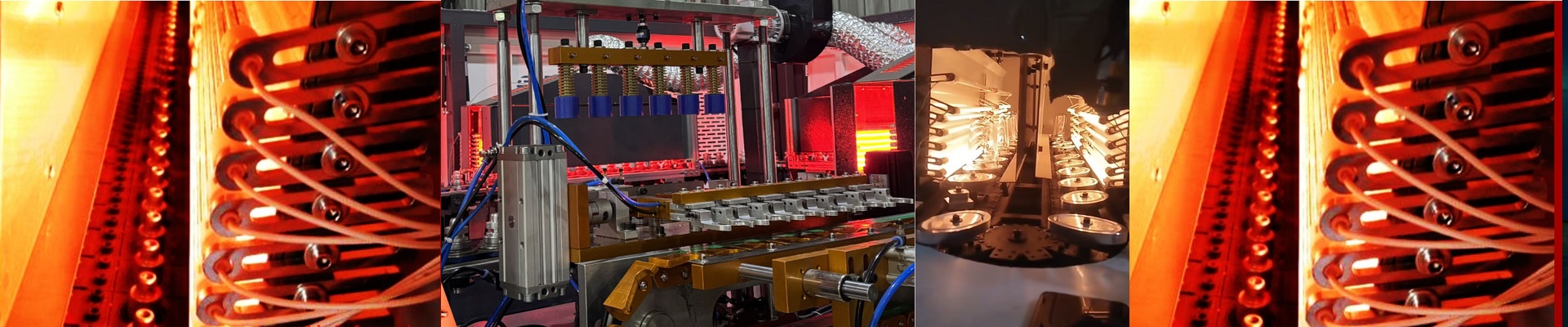
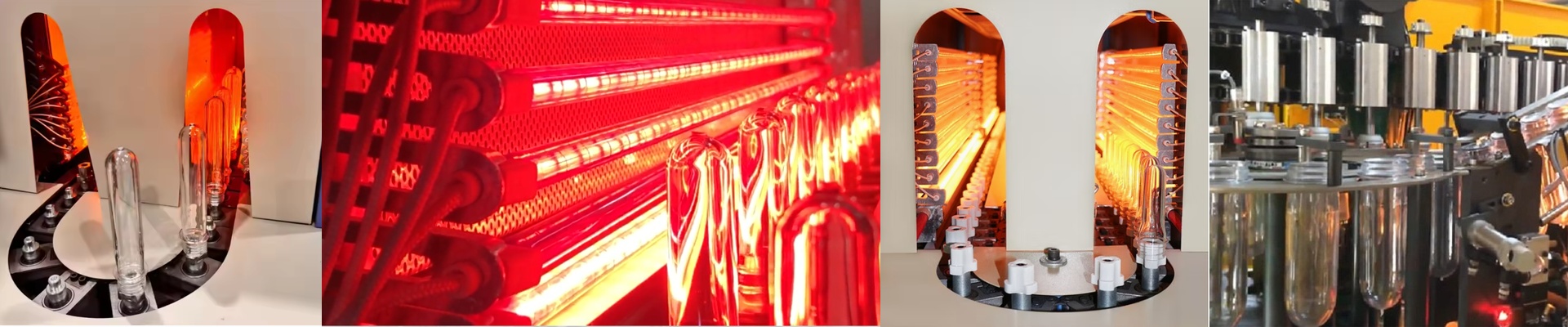
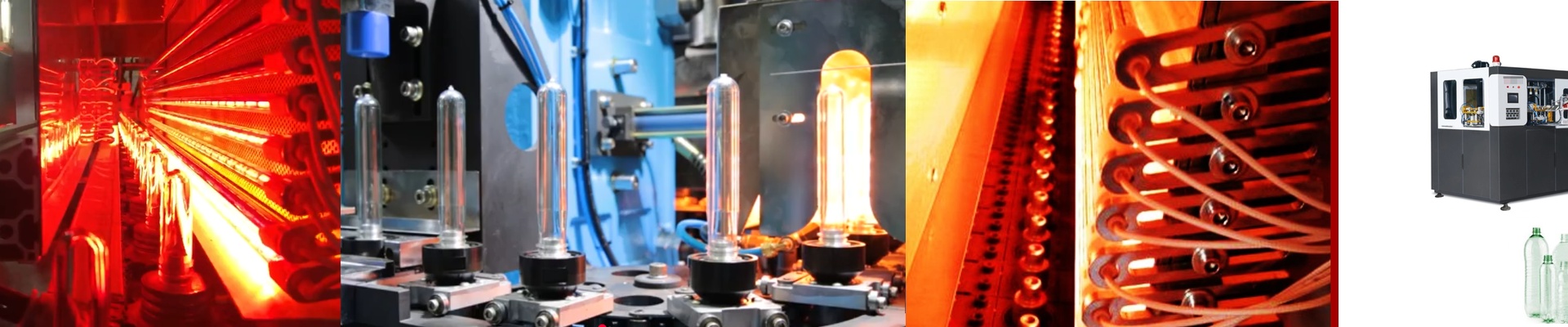
Most PET blowing machines use shortwave infrared lamps to get those preforms hot and ready for stretching. If you’re tired of waiting weeks for a factory part or paying a “brand name” tax, we’ve got you covered. We’ve spent a lot of time making sure our heaters just work. We’re talking about a drop-in replacement for about 95% of the machines you’ll find on a shop floor today. We didn’t just guess at the size; we matched the exact electrical and physical footprints the industry actually uses. The Nitty-Gritty on Specs We build our tubes to handle the heavy lifting of industrial ovens, usually in 230V or 400V. High voltage is the secret here—it lets us cram more wattage into a smaller space, which means more heat where you actually need it. As for the connectors? We stick with R7s and Sk15. They’re the gold standard. If your machine uses these, you can just plug them in. No hacking the housing, no weird adapters, no headache. Why the Glass Matters We use halogen-filled quartz glass because it doesn’t freak out when things get scorching. But the real trick is the coating. Ever deal with “cold spots”? It’s a nightmare. You get uneven heating, and suddenly your bottles have weird wall thickness. We apply a special coating to the quartz so the infrared energy hits the PET wall evenly. It just makes the whole process smoother. A Quick Reality Check Here’s the thing: high-wattage lamps put a lot of stress on your power supply. If you try to shove a 2500W tube into a machine that was only built for 1500W, you’re going to have a bad day. You’ll likely blow a fuse or, worse, fry your wiring. Just double-check your machine’s current rating before you swap them out. Skip the Wait We keep these in stock because we know how it feels when a machine is down and the OEM is telling you it’ll be six weeks. You get the same heat and the same performance, but without the ridiculous markup. It’s a simple swap. Plug it in, turn it on, and get back to work.