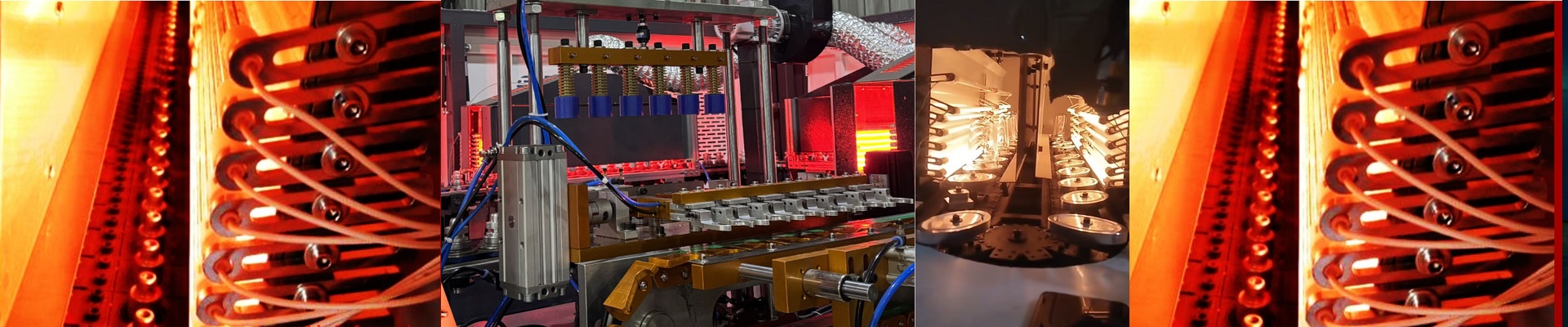

When the toast line bogs down because the heating element can’t keep up, you feel it immediately—underdone slices, wasted product, and a line that keeps growing. A weak element doesn’t just slow you down. It kills consistency, and suddenly you’re guessing at temperature instead of trusting the machine.
What matters under the hood
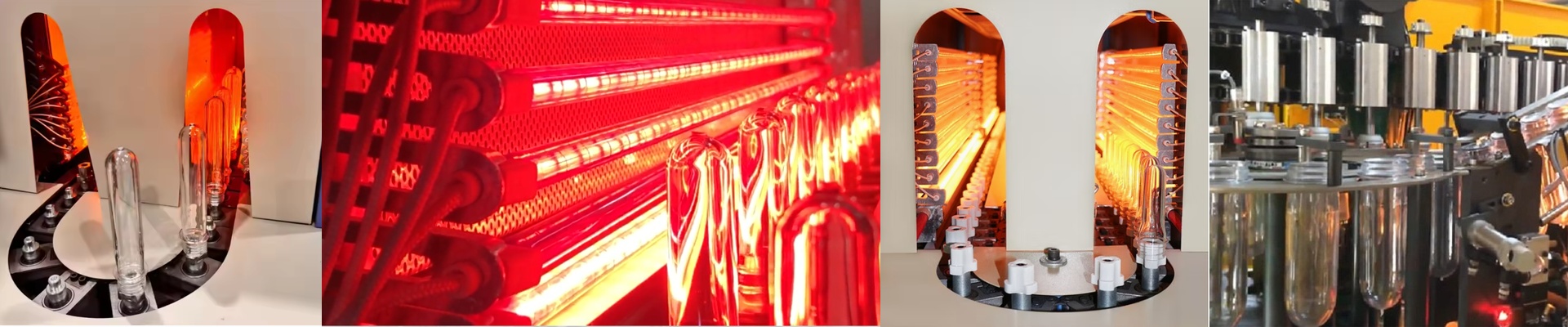
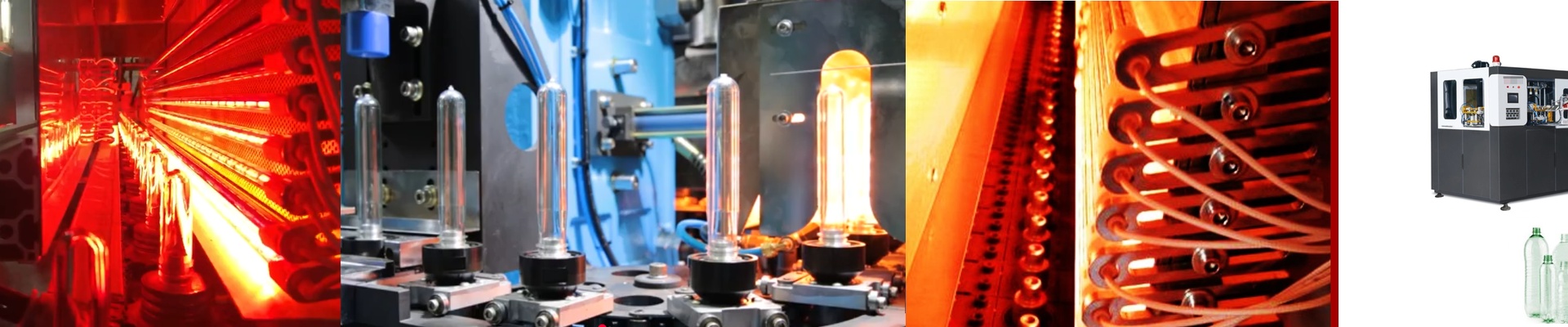
We build our replacement heating elements around infrared. The result is instant response, tighter control, and even radiant coverage across the toaster’s baking chamber. The quartz tube comes up to temperature in seconds, so you hit target heat right after startup. The wavelengths penetrate the product surface evenly, giving you uniform browning and crispness. Specs are matched to commercial toaster requirements: standard voltages (120V/240V), high-wattage output for fast recovery, and terminal connections that hold up to daily on/off cycling. The element geometry is engineered to match the original footprint, so the radiant field covers the full conveyor or slot area—no hot spots, no cool spots.
Why this works in a real breakfast rush
In a fast-moving breakfast or sandwich station, speed and repeatability are everything. Infrared elements deliver both. Recovery time drops, so the toaster keeps pace during the crush, and the consistent radiant heat produces the same color and texture slice after slice. You get cleaner caramelization without scorching, fewer tickets for underdone or overdone, and lower energy use per cycle because the element hits temperature fast and holds steady. Longer service life means less downtime, so your staff is plating more and swapping parts less.
The practical details that save headaches
Installation is straightforward, but you still need to verify power and lock it out. Confirm voltage, terminal orientation, and mounting hardware so you don’t put uneven tension on the ceramic insulators. **Keep reflectors and chamber surfaces clean.**Grease and carbon buildup will throw off radiation patterns. Pair the element with a calibrated thermostat for accurate control, and expect heat-up behavior to feel different than older wire coils. Once the system is tuned, consistency jumps—right away.