
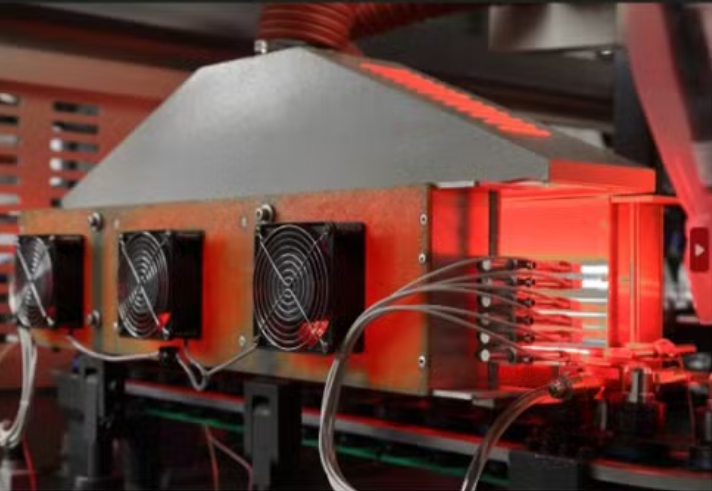
Getting the Heat Right in Your Sidel Matrix
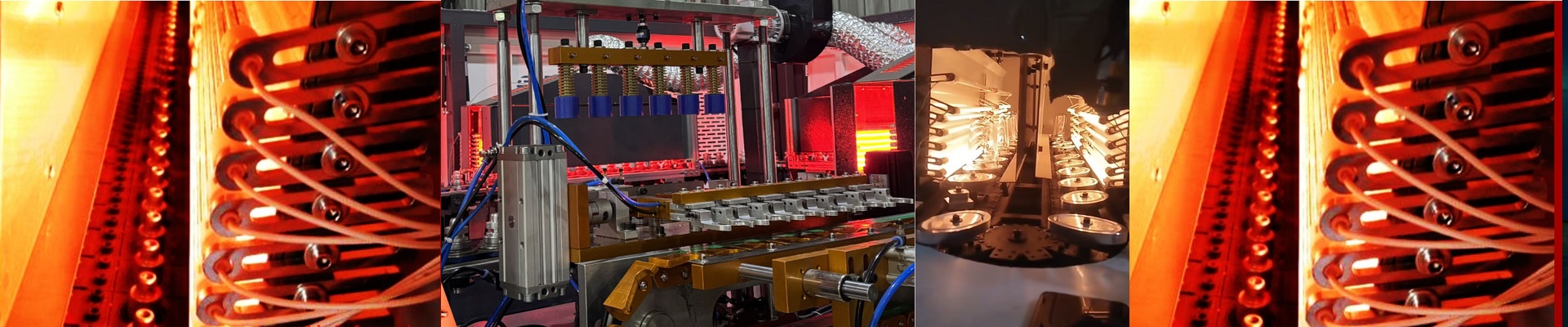
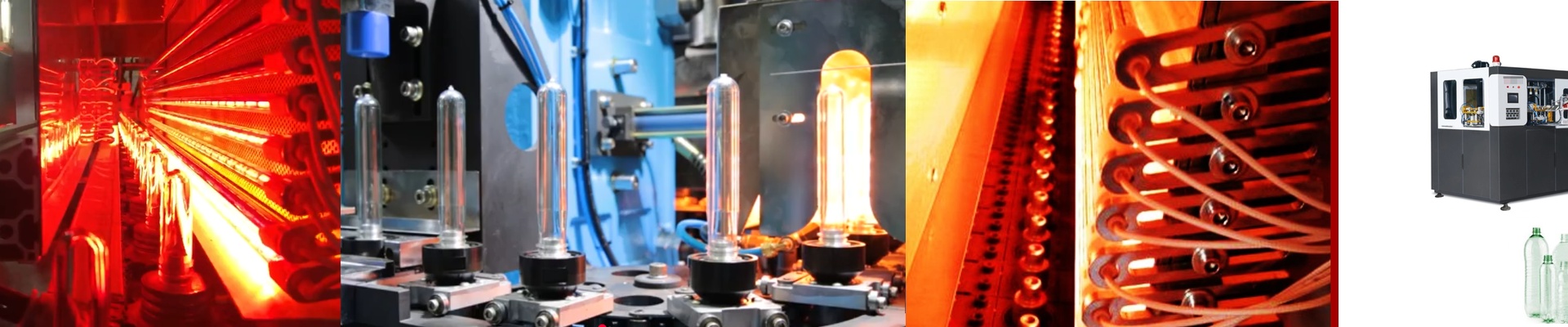
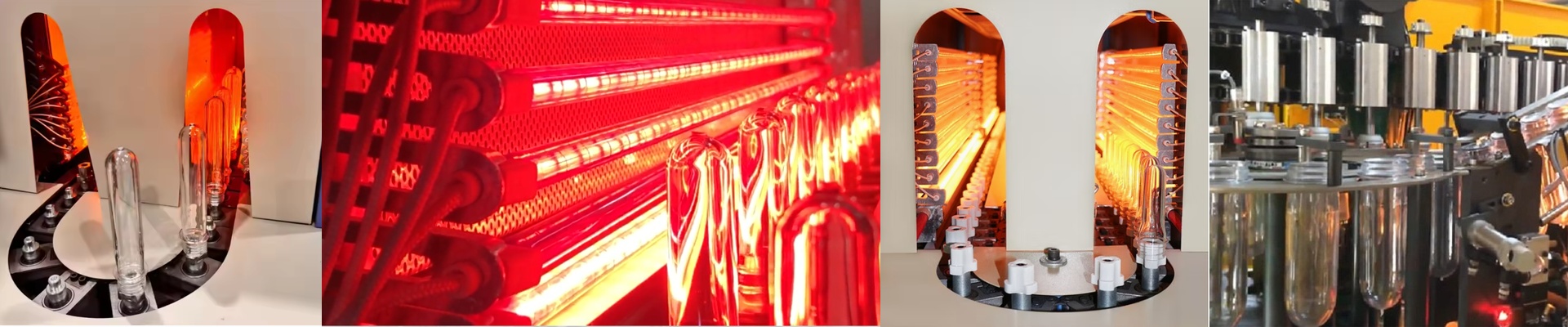
When you’re swapping out lamps in a Sidel Matrix, it’s easy to think you’re just changing a lightbulb. But it’s more than that. You’re actually balancing a very specific flow of heat. If the wattage is off or the light spectrum shifts even a tiny bit, your preform temperature starts to drift. That’s where the headaches start—you’ll see weird wall thickness or that annoying pearlescence in your PET bottles. Nobody wants that. Matching the original specs We build our lamps to fit Sidel’s original footprint exactly. We’re talking about the same voltage and wattage. Why? Because if the resistance is off, the current draw changes. That messes with how much heat is hitting every millimeter of that quartz tube. We’ve tuned our filaments so the temperature climb feels exactly like the original. You get the same heat-up time. The same saturation point. It just works. The nitty-gritty on materials We use high-purity quartz and specific halogen cycles. This keeps the filament from evaporating too fast, so the lamps actually last. Even the connectors are built to the exact tolerances of Sidel sockets. No loose fits, no arcing. Just a solid connection. Then there’s the light itself. For PET, you need shortwave IR. The plastic has to soak up that energy quickly; otherwise, you’ll melt the surface before the core even gets warm. We also use a coating process that makes sure the energy hits the preform, not the machine frame. A few tips for the install These are drop-in replacements. You wire them up and you’re good to go. But here’s a heads-up: high-wattage lamps put a lot of stress on your power supplies. Also, if your reflectors are dirty or oxidized, even the best lamp in the world won’t hit the temperature you need. Do yourself a favor and clean those reflectors before you put the new lamps in. If you don’t, you’re just wasting power and risking a burnout because the heat is bouncing right back into the lamp head.