
How Infrared Warmers Give You Real Control in an Automated Kitchen
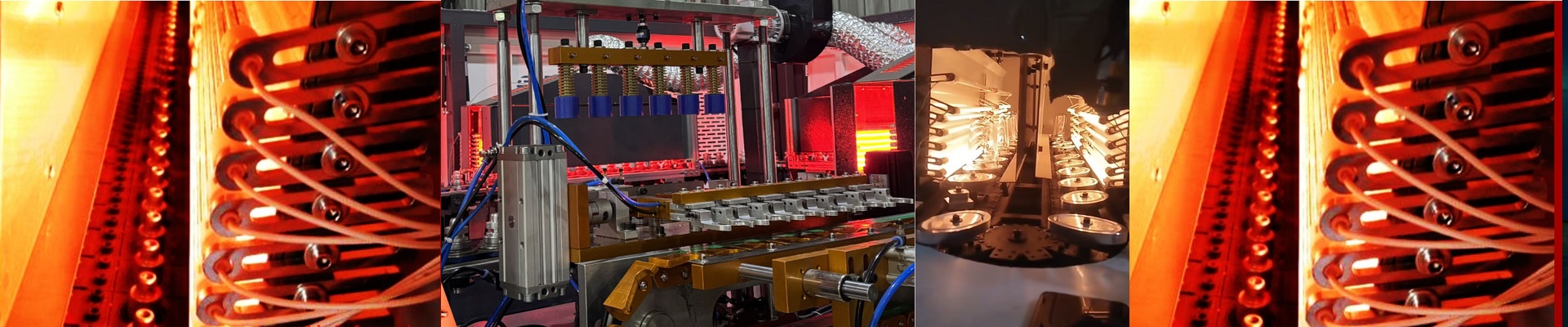
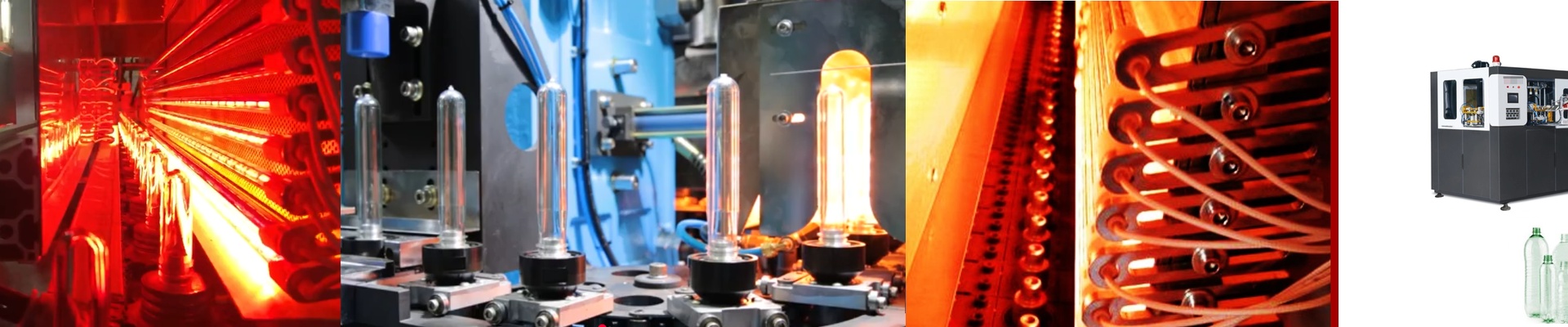
In an automated kitchen, that infrared warmer isn’t just there to make things hot. It’s the workhorse that gets food warm fast—and keeps it there. We designed it to deliver focused heat on demand, and to play nicely with the control systems you already run.
Power, Voltage, and Size: Built for the Real World
This thing was built for tight, automated setups. It runs on 400V, so you can wire it straight into your industrial power. No extra transformer. Less clutter. Less headache. At 2500W, the heat comes on hard and fast. That kind of power means you can hit temperature quickly, which matters when your service cycles are moving at full speed. And the 300mm tube? It keeps the heat tight. You’re not wasting energy all over the line. You’re warming the target, and only the target.
Materials and Design: The Details That Keep It Running
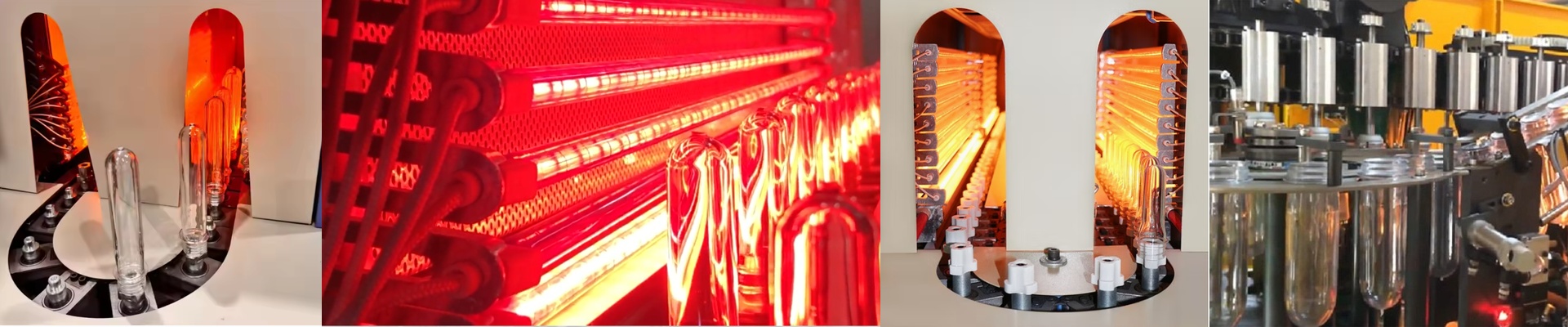
The tube is halogen-filled quartz. Why? Because it can handle the shock of rapid on/off cycles without cracking. In a busy automated line, that reliability is everything. Inside, the coating helps keep infrared output steady over time. That means you’re not constantly chasing drift or recalibrating. The output stays consistent, day after day. Then there’s the wiring. We use an R7s connector because it’s a direct fit for standard fixtures. Installation is quick, and the connection holds. No wiggling loose when the kitchen is humming.
Why This Matters for Automated Food Warming
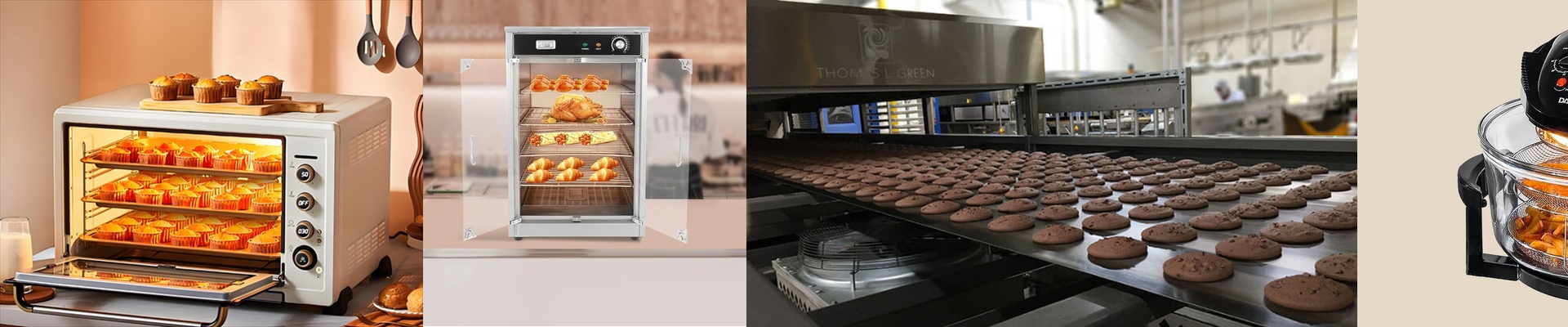
This configuration is made for automated warming lines. The heat is intense, and that’s great for speed—but it does mean your cooling needs to be on point. If your machine’s cooling isn’t matched to the heat load, things run hotter than they should. Not just the lamp—nearby electronics, too. So plan your cooling like you mean it. When you integrate the lamp with your control system, you get precision you can trust. Set the temperature, and it holds. Adjust on the fly when the menu or pace changes. The warming stays consistent, shift after shift. The payoff is simple: performance you can count on, fewer swings in temperature, and less downtime spent fiddling with calibration.