

Rapid Heating Halogen Infrared Elements: Precision in Dynamic Environments
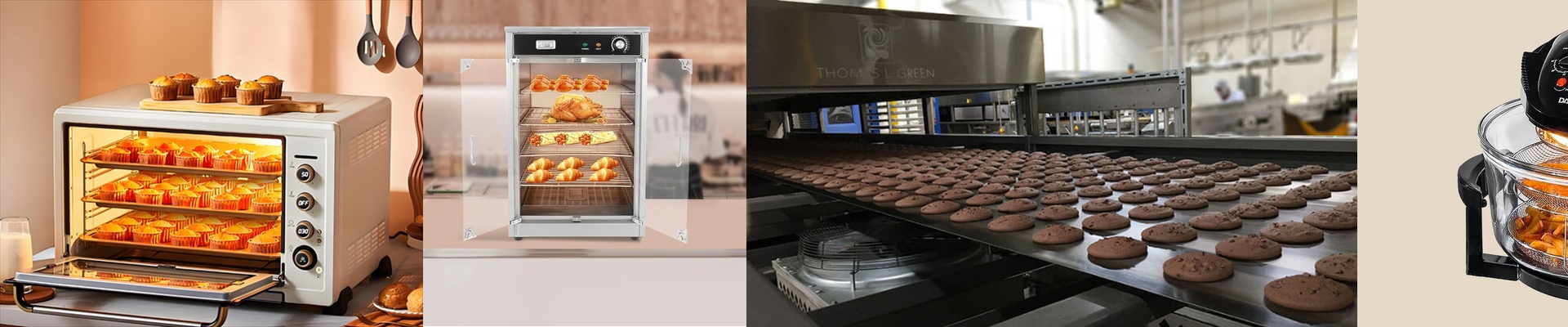
We built this heating element for places that get hot and cold on a whim—think food warmers, industrial gear that has to put up with wild swings in temperature. The whole point? Deliver steady heat, fast. No matter what the environment throws at it.
Power, Voltage, and Physical Specs: The Nitty-Gritty
Here’s the thing about these elements. We designed them to run on high voltage, usually 400V, to pack in serious power—often hitting 2500W—inside a compact 300mm tube. That gives you a ton of heat without taking up a ton of space. The physics are pretty neat. Higher voltage means less current for the same power. That keeps your wiring thinner and cuts down on voltage drop over longer runs. And the 300mm length? It’s a sweet spot. Long enough to give you a solid heating zone, but short enough to slip into tight spots on food warmers and smaller industrial units.
Material & Design: Coated Quartz and R7s Connectors
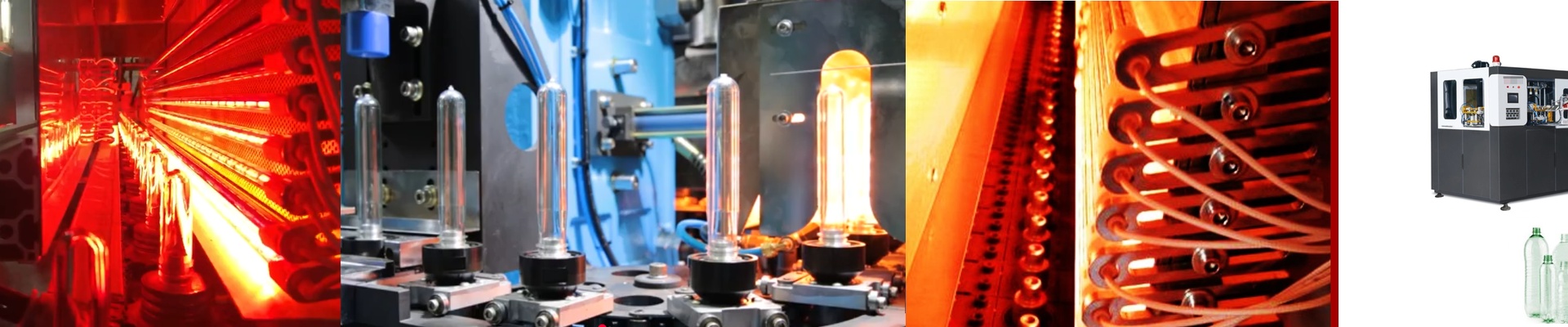
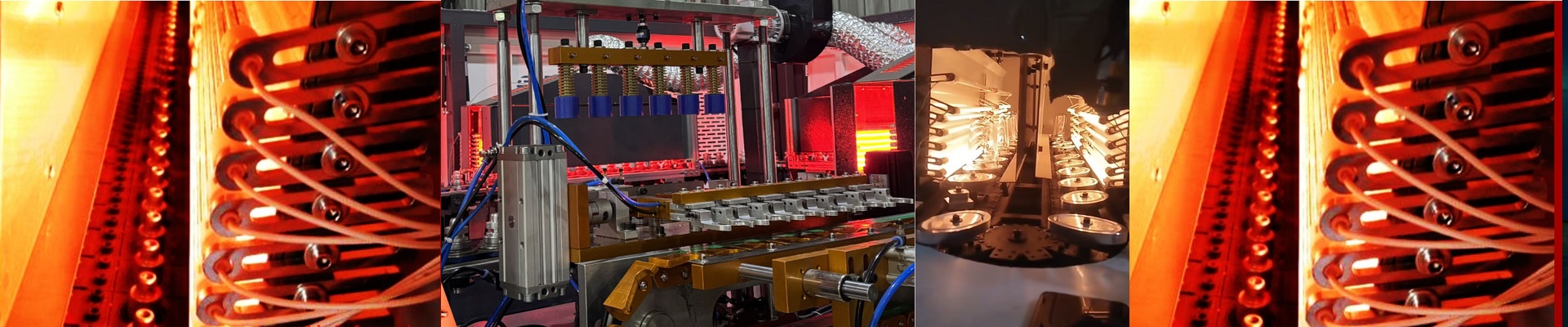
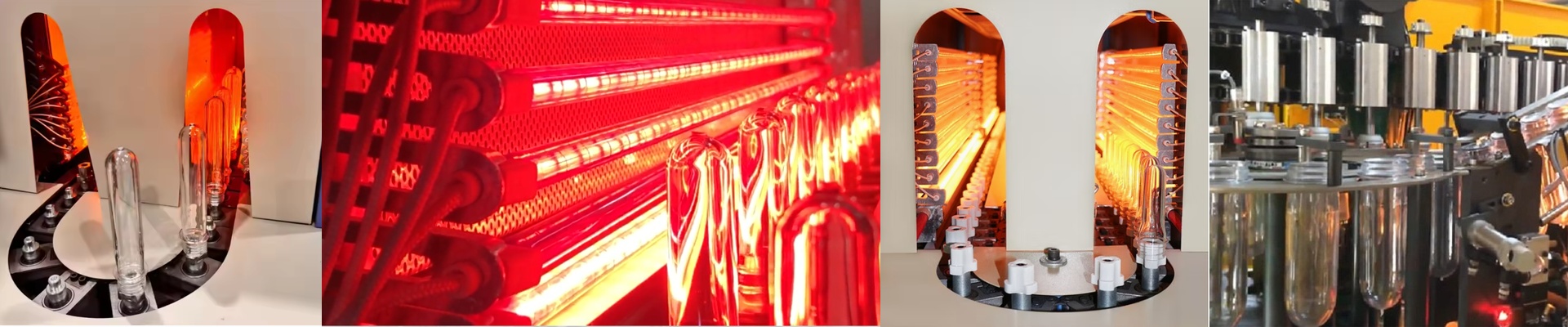
The element itself lives inside a halogen-filled, coated quartz tube. The coating shields the filament and keeps output steady. Meanwhile, the halogen cycle keeps the inside clean and extends the filament’s life. This design means it can handle being switched on and off, over and over, without burning out. We also went with an R7s connector. It’s the industry standard for a reason. It gives you solid contact, can handle high heat, and makes the element a drop-in replacement for many existing fixtures. You wire it up. You clamp it in. Done.
Application & Benefits: Real-World Performance
When you’re running a food warmer or similar equipment, you need heat on demand. No slow ramp-up. These elements hit target temperature almost instantly and hold it steady. The infrared energy goes right to the surface of the food, so you don’t waste time waiting for things to preheat. Now, there is one thing to keep in mind. Packing 2500W into a 300mm tube does mean the surrounding chassis and control panel will feel more ambient heat. So, you need to plan for cooling and thermal shielding. But get the heat sinking and mounting right, and you’ve got a rugged element that responds fast, keeps temperature stable, and can take a beating.