
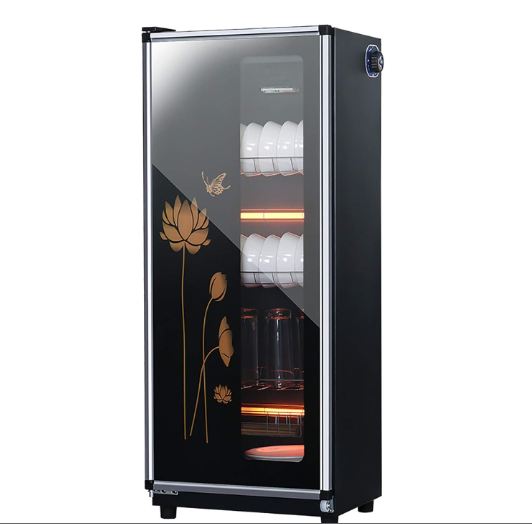
When the rush hits, you don’t have time for a portable hot dog warmer that lags. Preheat delays and uneven heat mess up timing, dry out product, and jam up the front line. Drop in a solid replacement heating element, and you trade uncertainty for repeatable performance—dogs keep turning, and the line keeps moving.
What matters under the hood
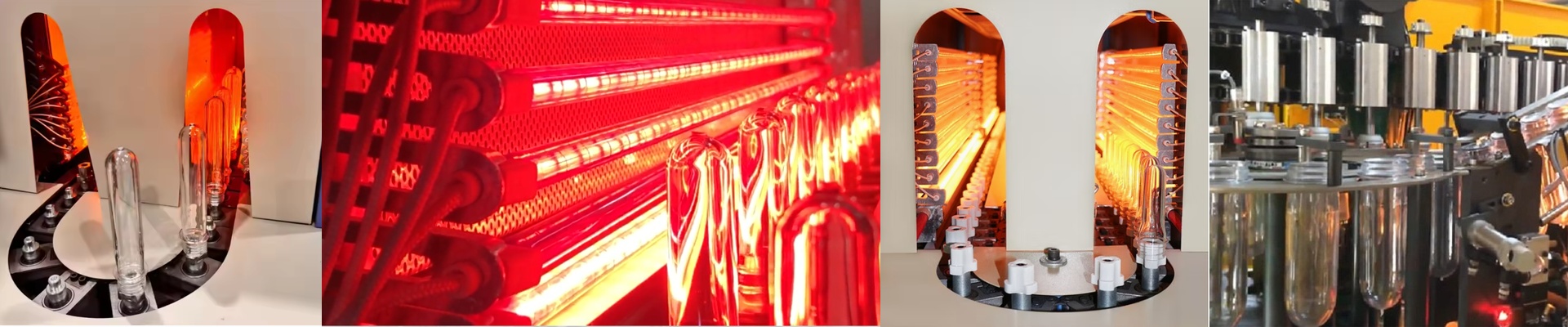
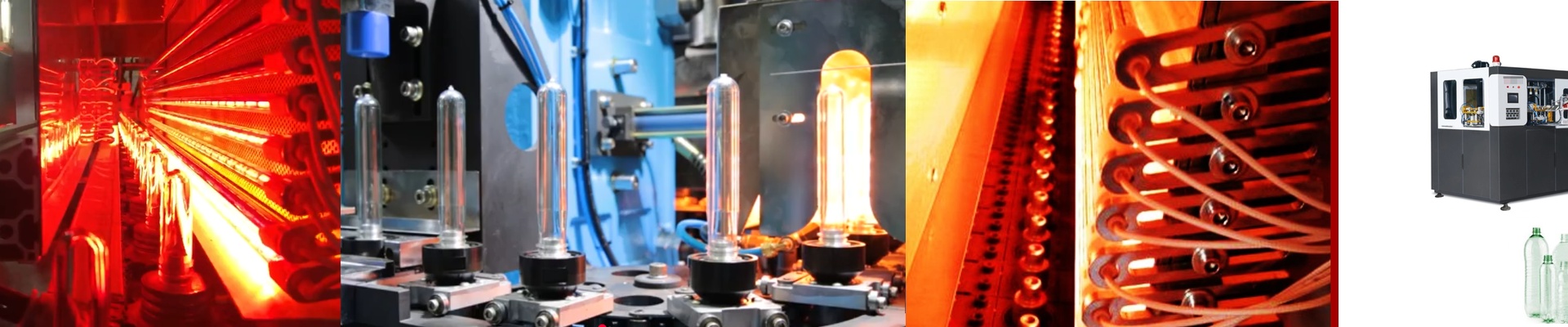
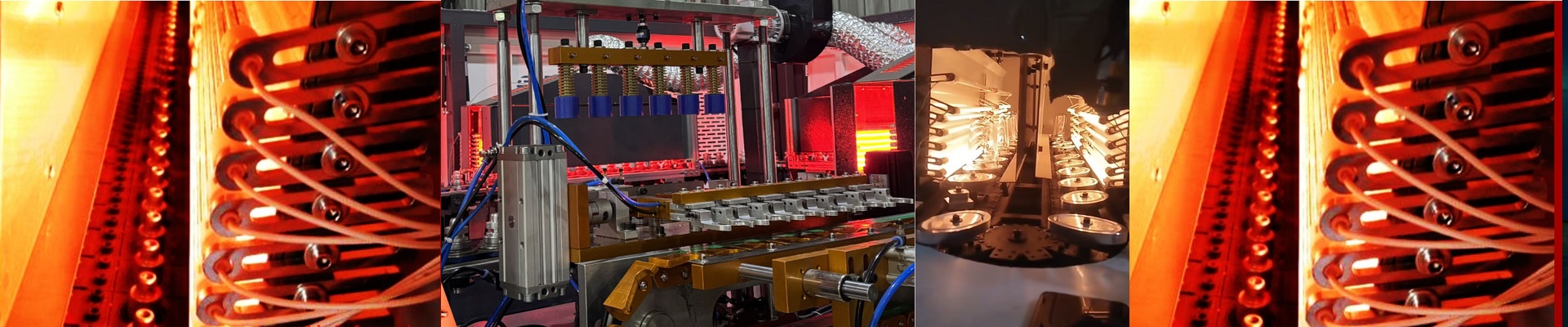
We build this element with a quartz tube and nickel-chrome resistance wire. Quartz comes up to temperature fast and holds output steady, so the unit hits target in minutes, not tens of minutes. You’ve got 120V or 240V options to match your outlet and wiring, and you match the wattage to the warmer’s thermal load so recovery is predictable. Standard mounting brackets and terminal blocks make the swap straightforward, and the compact footprint fits tight warming wells without getting in the way of service.
Why it holds up in a real service window
During a busy run, temperature stability is what separates plump, juicy dogs from a string of complaints. This element cuts warm-up time, holds steady even when the door keeps opening, and recovers quickly between batches. The payoff is consistent product, fewer giveaways, and a calmer station. It’s also easier on energy because it hits setpoint fast and holds it without heavy cycling, which helps the unit’s thermostat last longer.
A few shop-floor notes
Installation is simple, but match voltage and wattage, and verify the terminal connection type before you order. Run the warmer on a dedicated circuit to avoid voltage dips that can shorten element life. Quartz is tough, but it’s brittle—avoid contact with metal utensils and keep the chamber clean to prevent hot spots. When it’s properly matched, you can expect thousands of cycles before output starts to drift.