Stop Trying to Force Standard Heating Lamps into Weird Ovens
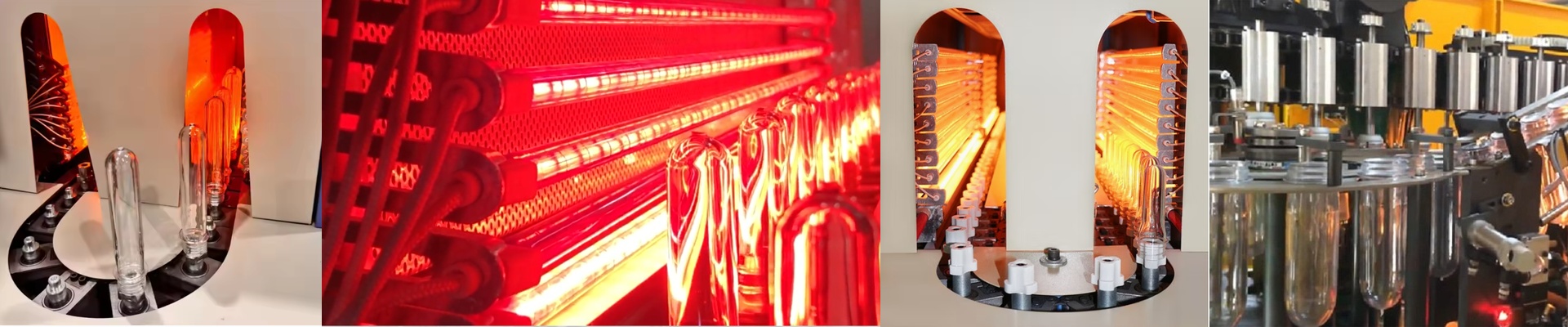
Let’s be honest: off-the-shelf heating lamps are great until you actually try to put them in a non-standard oven. If your oven has a strange footprint or your warming station is tighter than a glove, a “standard” tube usually doesn’t cut it. You end up with annoying cold spots, or worse, the lamp burns out way faster than it should. We fix that by building the tube to fit your specific space and power needs. No guessing. Getting the heat right It all comes down to how voltage, wattage, and length play together. Say you need a massive hit of heat but you’ve only got a few inches to work with. We can crank up the wattage, but we have to tweak the voltage so the filament doesn’t just snap under the pressure. Just a heads-up: make sure your power supply can actually handle the amp draw. If you try to over-drive a lamp that isn’t rated for your voltage, you’ll kill the element in a matter of hours. It’s a costly mistake that’s easy to avoid. The materials and the “plug-and-play” part Most of the time, high-purity quartz is the way to go for clear transparency. But some baking jobs need something different. For those, we use special coatings that shift the heat spectrum. Instead of just searing the outside of your food, the heat actually sinks deeper into the product. It’s the difference between a burnt crust and a perfectly cooked center. And then there’s the wiring. This is where most people run into trouble. Nobody wants to rewire an entire control panel just to swap a bulb. That’s why we offer everything from R7s to Sk15 or custom solder lugs. You just drop the lamp in and get back to work. The trade-offs you should know about Custom tubes are great for hitting every corner of a weirdly shaped oven, but there’s a catch. When you pack a lot of power into a small tube, it creates a ton of heat right where the lamp sits in its supports. Keep an eye on your mounting brackets for “heat-creep.” If the tube is running too hot for the housing, you might want to add some forced-air cooling. It’s a simple step that keeps your external wiring from melting into a puddle.