
Stop Letting Your Heaters Slow Down Your Pizza Line
If you’re running a high-volume pizza line, you know the frustration. You want to move faster, but your heating elements just can’t keep up. You try to tighten the timing, and suddenly the crust is doughy or the cheese isn’t melting right. Standard, off-the-shelf heating tubes are usually the culprit. They’re built for “everyone,” which means they aren’t actually built for your specific needs. That’s why we stopped using generic heaters and switched to custom infrared (IR) modules.
Getting the heat exactly where it belongs
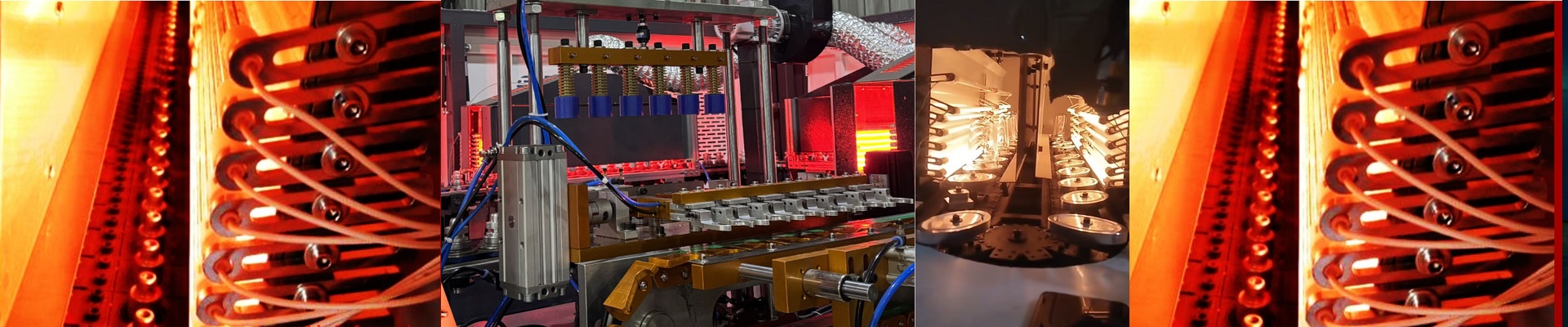
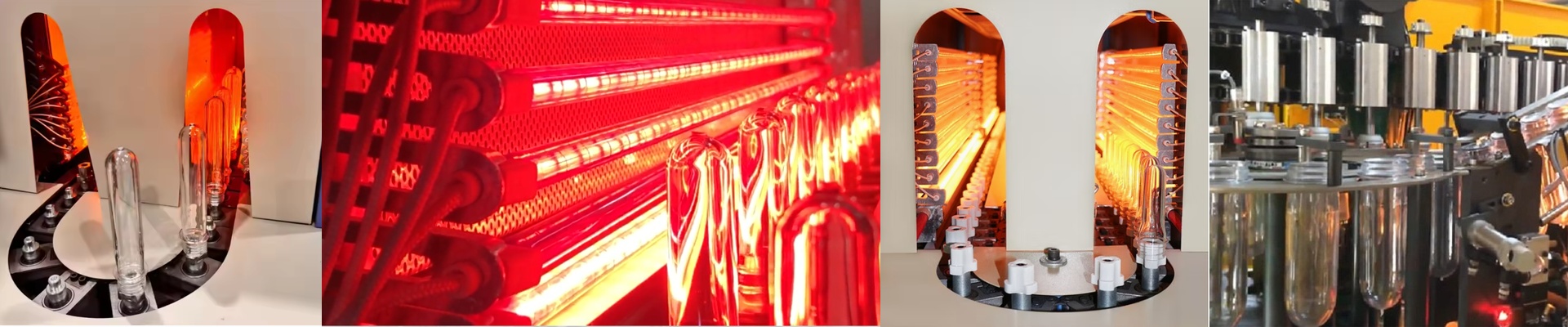
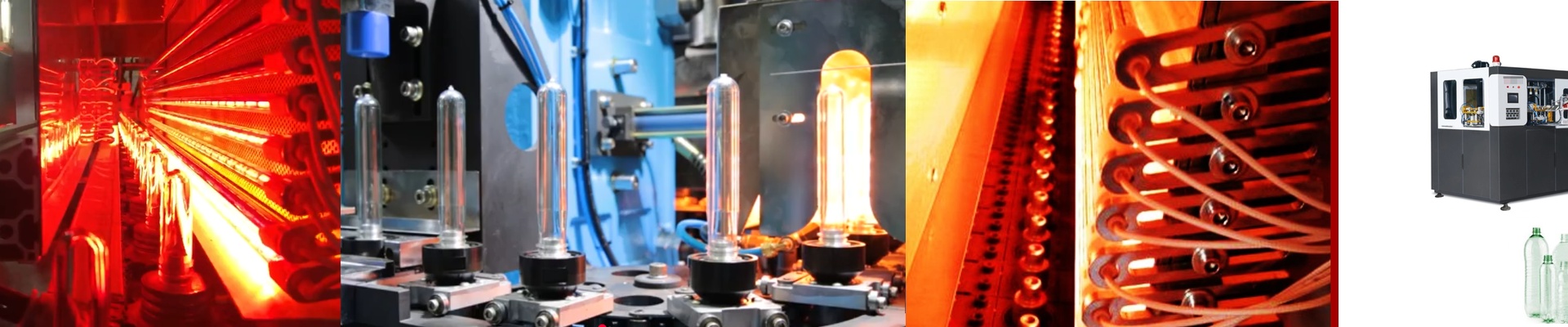
To speed things up, you need a lot of heat hitting a small area, fast. We don’t just pick a part from a catalog. We tweak the wattage, the voltage, the length of the filament, and the diameter of the quartz tube. Why? Because it lets us aim the energy right at the dough the second it hits the belt. No more “cold spots.” No more guessing. You just get a fast rise and a perfect sear every single time.
Stop building your machine around the heater
Usually, it’s the other way around—you buy a heater and then try to figure out how to fit it into your machine. It’s a headache. We do it differently. We build the module to fit your existing chassis. Whether it’s the length, the diameter, or the connectors, we make it a perfect match. Plus, we use special quartz coatings to shift the heat toward short-wave IR. This is the secret sauce. Short-wave energy digs deeper into the dough much faster than the slow heat you get from standard setups.It’s the only way to really crank up the belt speed without ruining the pizza.
A quick heads-up on power and cooling
Now, there is a catch. When you pack that much heat into a custom module to hit a 30-second cook cycle, things get hot. Really hot. That heat doesn’t just go into the pizza; it radiates toward your machine frame. If you go for a high-power setup, you’ve got to make sure your insulation is solid and your cooling fans can handle the load. If you skip this part, you’re looking at warped conveyor supports or fried sensors. Not a fun day at the office. The good news? These modules are designed to be simple drop-in replacements. Just wire them up, dial in your PID controller, and start shaving seconds off every single cycle.