
Stop Fighting Your SIPA Rotary Blower
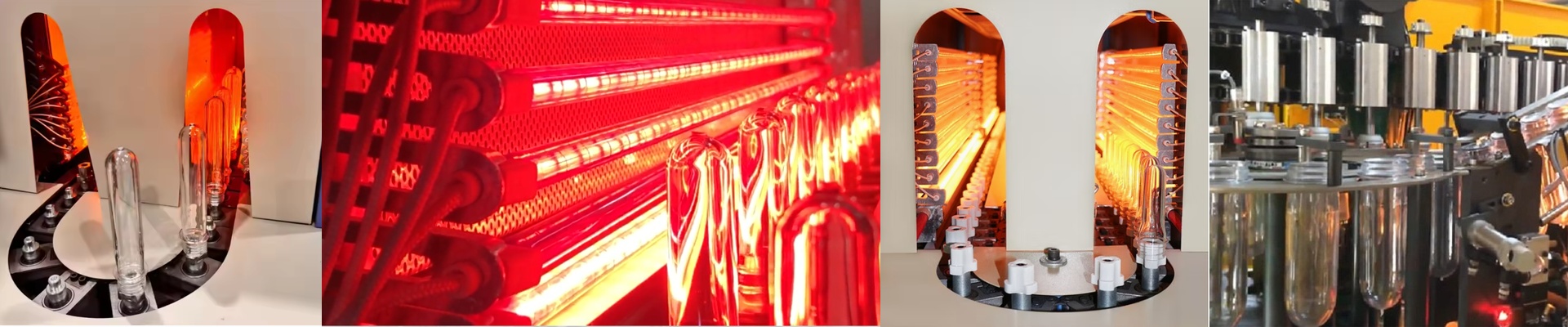
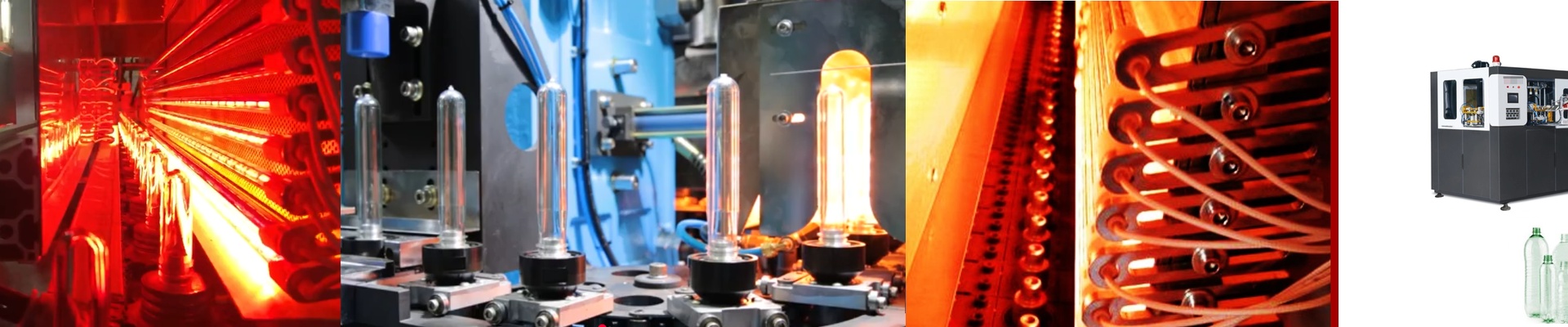
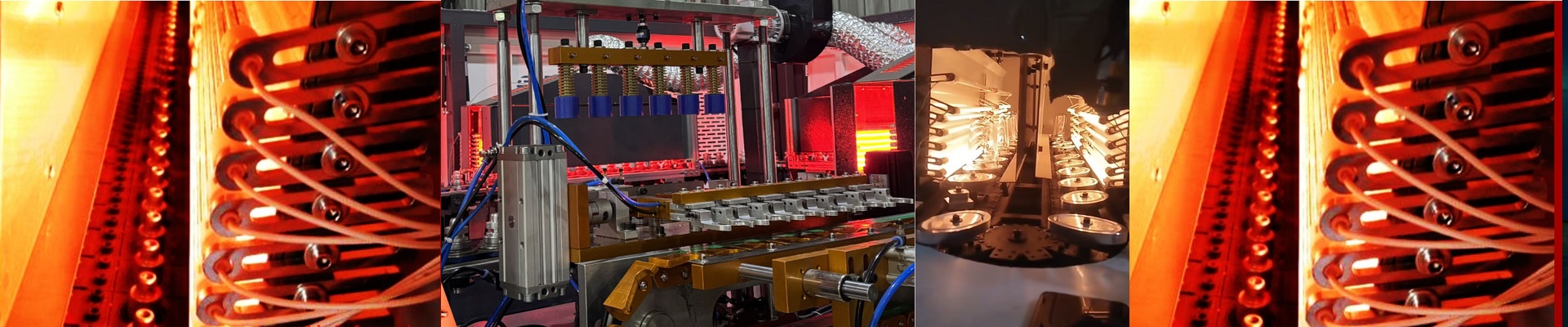
If you’ve ever dealt with uneven wall thickness or random bottle failures on a SIPA machine, you know the headache. You spend half your shift tweaking PID controllers just to keep the temperature from drifting. It’s frustrating. Usually, the culprit isn’t the machine itself—it’s the lamps. Here’s the thing: most replacement lamps claim to be “compatible,” but they don’t actually match the original OEM power specs. Even a tiny 5% difference in wattage creates these annoying “cold spots” in your preform. Then, to keep the bottles from failing, you’re forced to slow down your cycle time. You’re losing money every minute you do that. The truth about power matching We built our Chumpower lamps to be true drop-in replacements. For this to actually work, the voltage and wattage have to line up perfectly with what your transformer is putting out. If the wattage is too low, you lose that heat density you need. Too high? You’ll burn through the filament way too fast. We keep the tolerances tight so the infrared wave stays consistent from one end of the quartz envelope to the other. No gaps. No surprises. It’s all in the build We use high-purity quartz because these things take a beating with rapid cycling. They need to handle that thermal shock without cracking. And we don’t mess around with the connectors. Whether it’s R7s or SK15, we make sure the electrical contact is rock solid. A cheap, loose connector creates a bottleneck of heat right at the end-cap. That’s usually where the glass snaps. A quick tip from the shop floor Getting the power matched solves the heating drift, but keep an eye on your cooling fans. If you’re pushing your lamps to the limit to shave seconds off your cycle time, your oven needs to breathe. If the airflow is choked, your lamps are going to take a hit and won’t last nearly as long. When the specs are right, everything just… works. You get a stable process, predictable PET stretching, and you can finally stop babysitting the temperature gauges.