
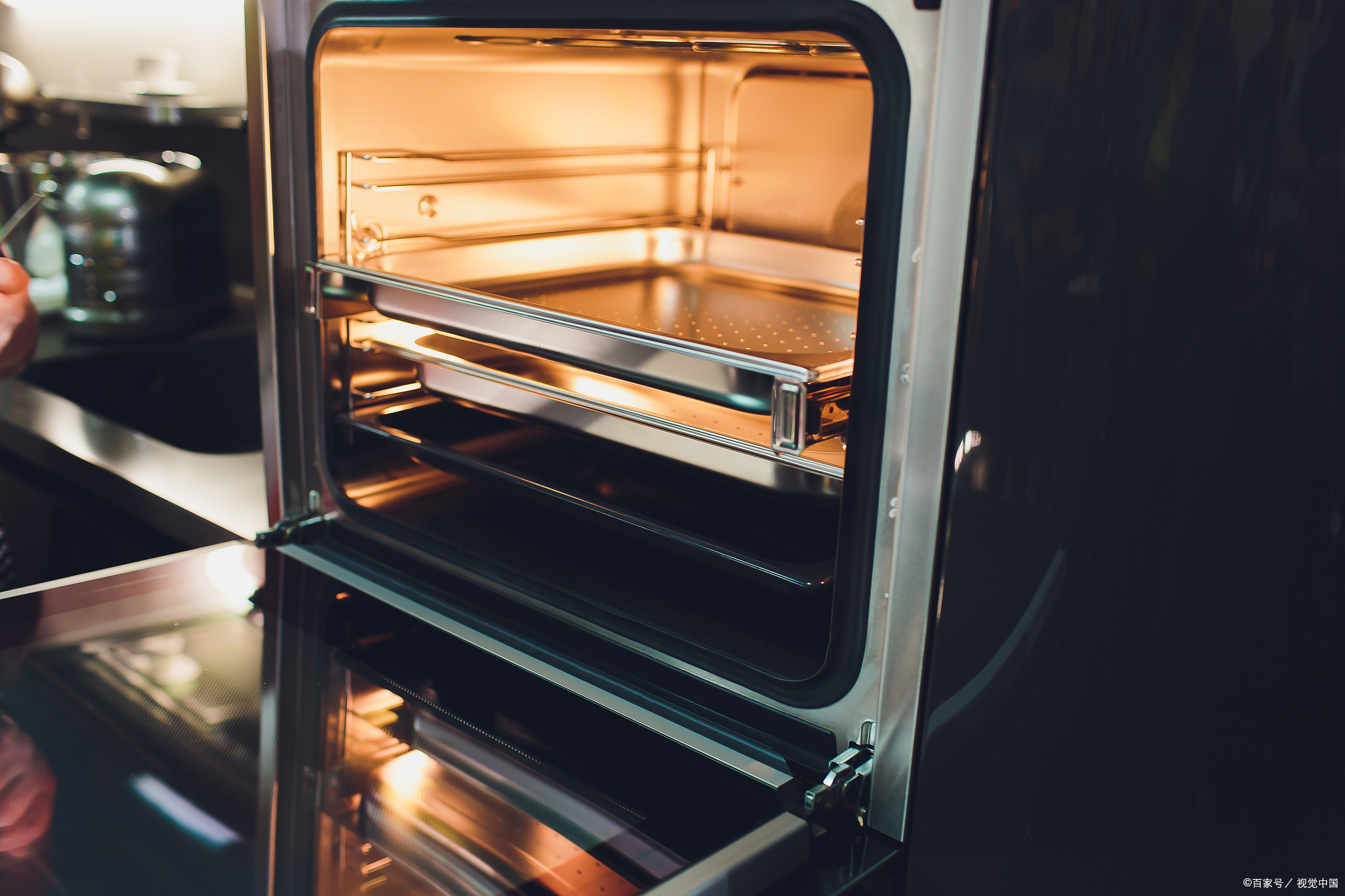
Getting Your Bread Crust Just Right: The Secret is in the Heating Element
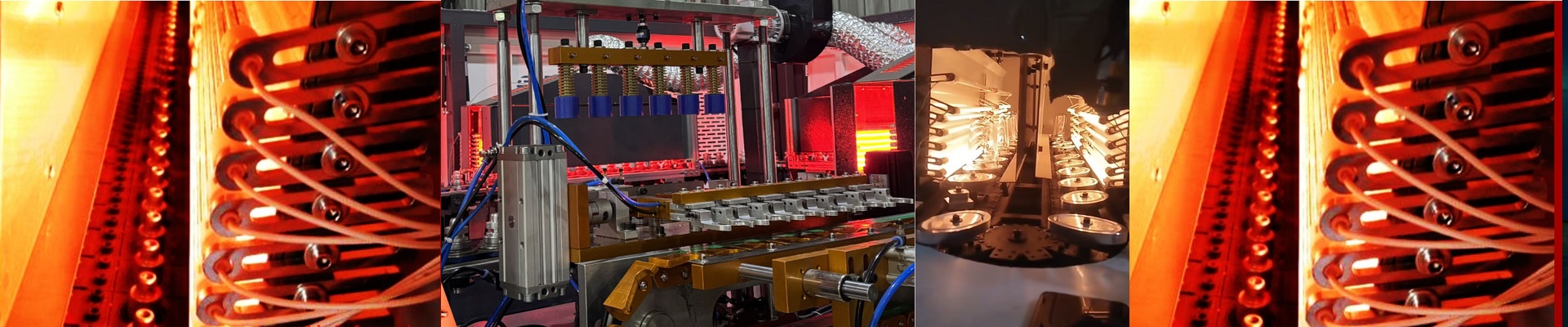
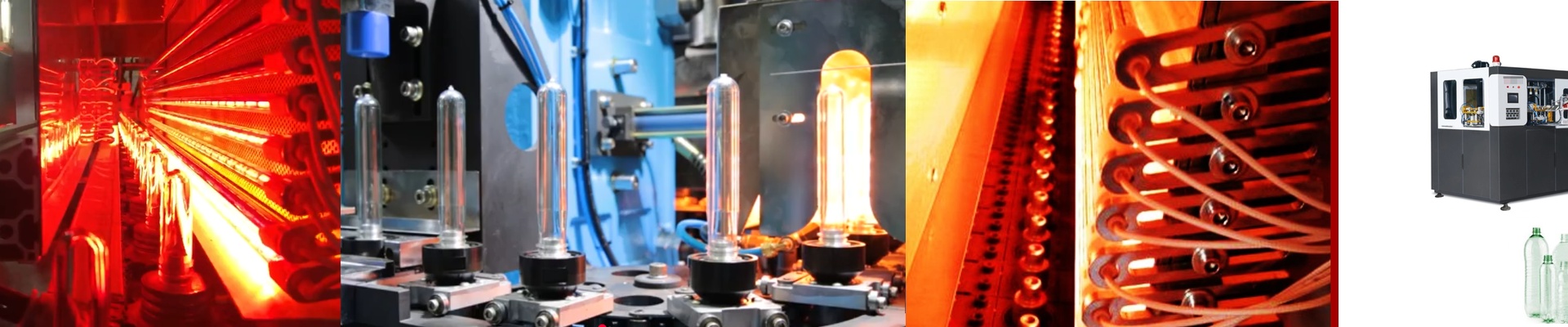
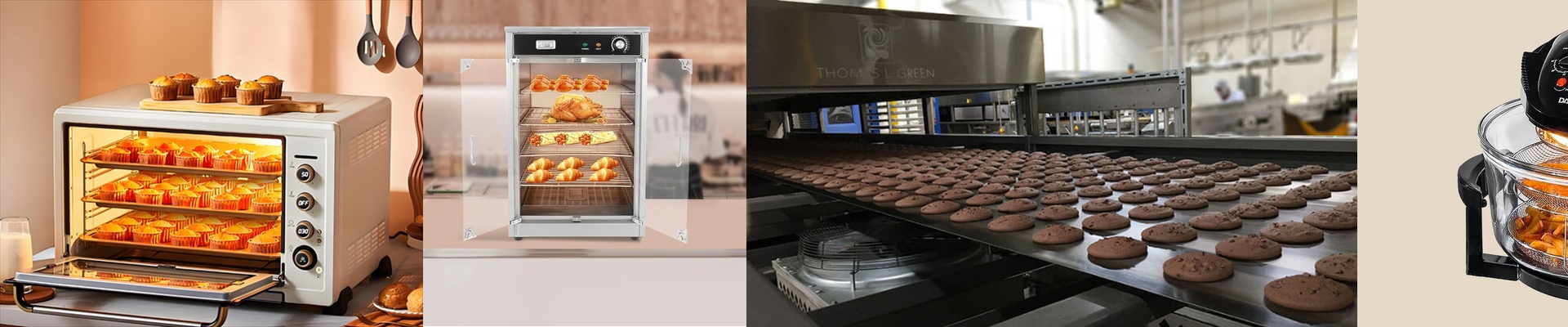
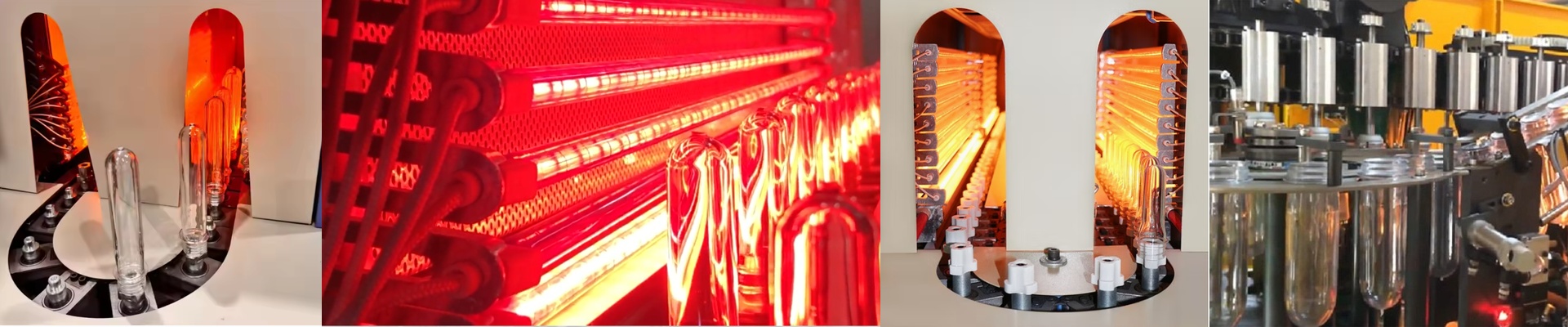
Getting that perfect, golden-brown crust and that smell that fills the whole room? That’s all about hitting a very specific temperature. If your heating element is sluggish, your bread stays pale. If it overshoots, you’re just burning sugar. It’s a frustrating tightrope to walk. We built our replacement elements to stop that guesswork. No more lagging. Heat that actually reacts Industrial bread ovens need a lot of power, and they need it now. We use short-wave infrared tech because it doesn’t mess around. Instead of waiting for the air inside the oven to slowly warm up, the heat hits the dough almost instantly. When you need a quick spike to get that caramelization going, the element just does it. It’s fast. Really fast. And that makes a world of difference when you’re trying to keep your batches consistent. The grit behind the glow We use high-purity quartz glass because it can handle the shock of jumping from cold to scorching hot over and over again. The filaments are beefed up for heavy industrial work, too. You get a steady, even glow across the whole tube, so you don’t end up with those annoying “cold spots” that leave half a loaf underbaked. One quick heads-up: double-check your voltage and wattage before you swap these in. A high-wattage element gives you the punch you need for those thick-crust loaves, but it’s harder on your wiring. Just make sure your sockets are clean and your leads can handle the current. You don’t want a burnout at the connection points. Getting them installed These are simple drop-in replacements. We kept the footprints standard, so you can wire them up and get back to baking without having to rebuild your oven chassis. But here is a pro tip:**wear gloves.**Quartz is finicky. If you touch it with your bare hands, the oils from your skin can create hot spots that make the element fail way too soon. Also, keep in mind that if you’re pushing these to the absolute limit 24/7, they won’t last quite as long as they would with intermittent use. That’s just the reality of high-intensity heat. It’s a trade-off, but for the kind of crust you get, it’s usually worth it.