
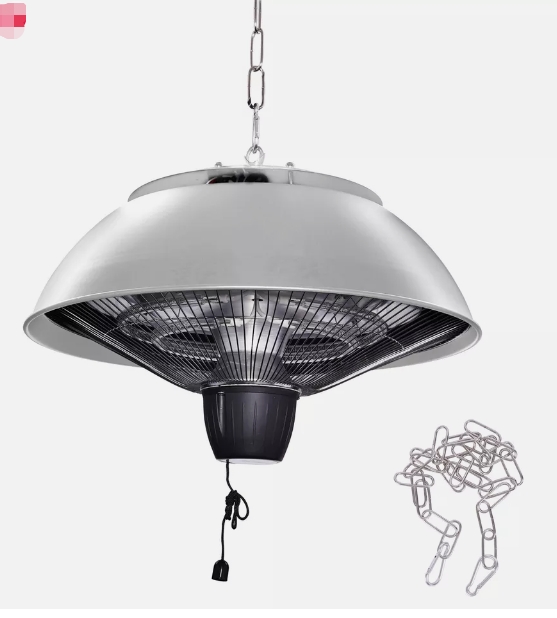
Stop Your Infrared Heaters From Shorting Out
Bathroom infrared heaters live in a nightmare. You’ve got intense, concentrated heat fighting against thick steam and humidity every single day. Usually, the heating element itself is fine. The real trouble starts right where the lead wire hits the quartz tube. That’s where things go sideways.
Why these seals actually fail
Most setups just use basic glue or some cheap silicone. The problem? Those materials can’t keep up with the constant heating and cooling. The heat eventually fries the sealant. It cracks. Then, the moisture from your shower seeps right into those cracks. Once that happens, you get carbonization, a short circuit, and a tripped breaker. It’s a mess.
A better way to seal the deal
We do things differently. Instead of just slapping a bead of glue on there, we use a multi-stage compression seal. We use thermal potting compounds that actually “move” with the quartz glass. Think of it like this: when the lamp gets hot, the seal expands at the same rate as the tube. No gaps. No cracks. The whole wire transition is completely encased. It keeps the water out and keeps the electrical connection rock solid.
One thing to watch out for
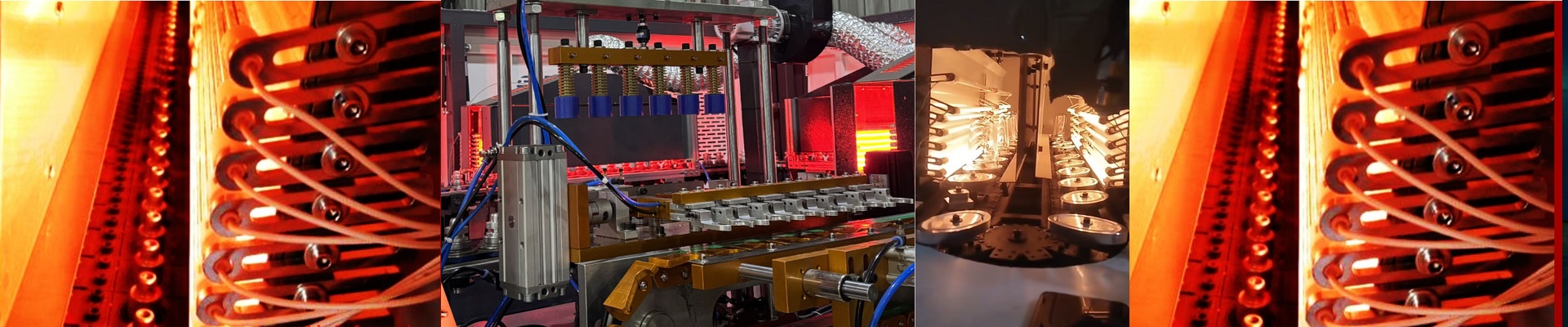
There is a trade-off. This heavy-duty sealing makes the lead wire a bit stiffer. If you try to bend these wires too sharply, you might actually crack the potting material. You can’t just cram them into a tight space. When you’re designing your housing, give those wires some breathing room. Let them have a natural, gentle curve. If you pull them too tight, you’re basically undoing all the hard work the seal is doing. Give the wires some space, and your units will handle the humidity without any drama.