
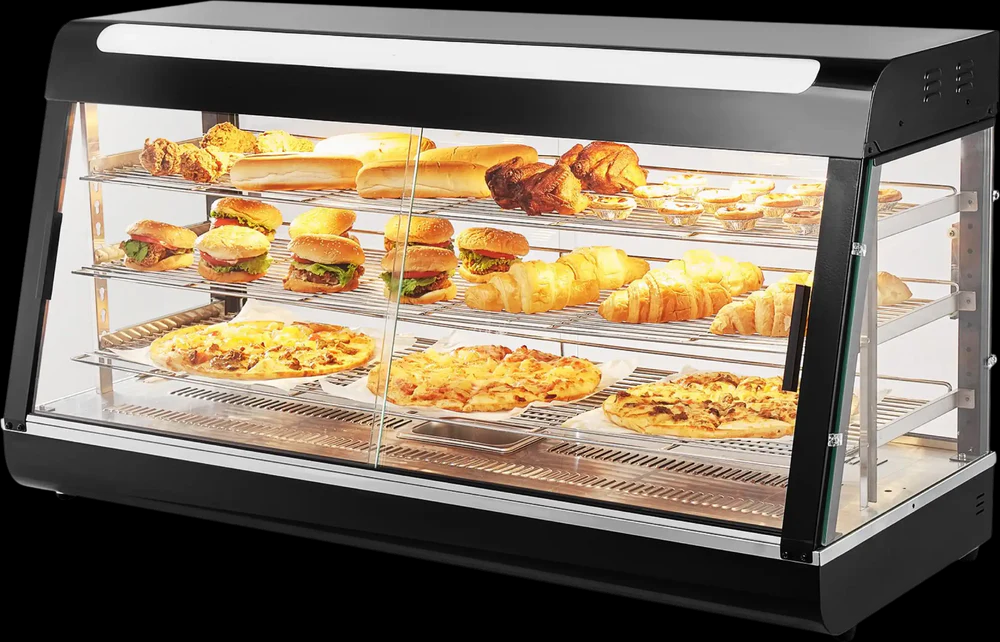
Stop Fighting Cold Spots: A Better Way to Heat Your Ovens
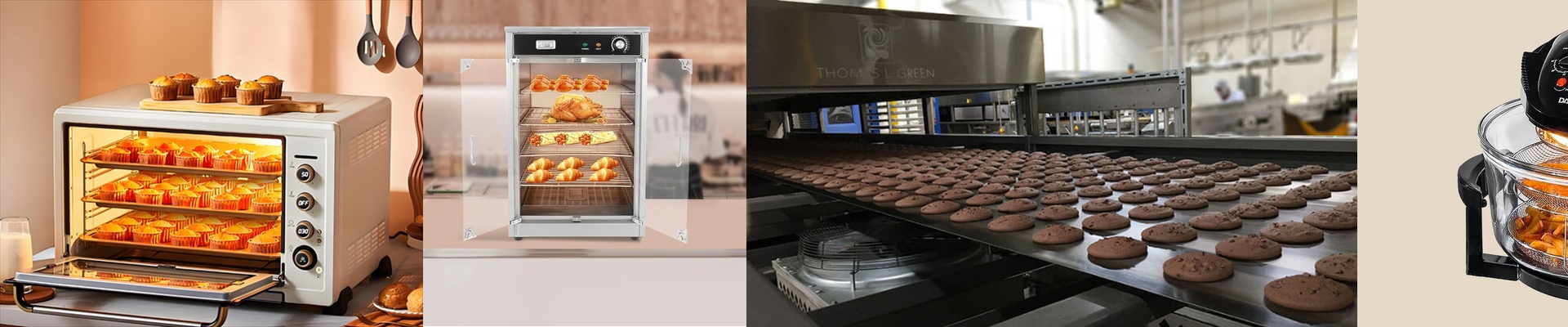
Ever notice how convection ovens have those annoying “dead zones”? You’re blasting forced air everywhere, but for some reason, the corners stay cool. It’s frustrating. You end up with food that’s half-cooked or, worse, a mountain of scrap that eats into your margins. The problem is that air only goes so far. To fix this, we stop relying solely on the breeze and bring in infrared (IR) heaters. It’s about giving the food direct energy instead of hoping the air carries enough heat to get the job done. How it actually works Think of it like the difference between standing in a warm room and feeling the sun on your skin. The convection air keeps the general environment hot, but the IR lamps hit the product directly. We don’t just throw these in randomly. We tweak the wattage and where the tubes sit to kill those cold spots at the edges. Once that’s dialed in, the temperature stays steady across the whole tray. No more guessing. No more inconsistent batches. The nitty-gritty on setup We usually go with quartz-glass tubes. We use specific coatings to make sure the heat hits just right. Shortwave IR is the way to go here because it ramps up fast. It gets the food hot quickly without torching the outside before the inside is ready. But you have to be careful with the layout. If you crowd the lamps, you’ll get charred spots. Too far apart? You lose the whole point of using radiant heat. You also want a control system that lets you tweak the IR power without messing with your fans. They need to be on their own terms. Getting it onto your floor Adding these to your current line is pretty painless. We design them to be simple add-ons or direct replacements. Just a heads-up: these lamps pull a lot of power. Before you flip the switch, double-check your breakers and your wire gauges. You don’t want a tripped breaker in the middle of a rush. Also, keep an eye on your cooling system. If your electronics aren’t shielded from that extra radiant heat, they might start acting up over time.