
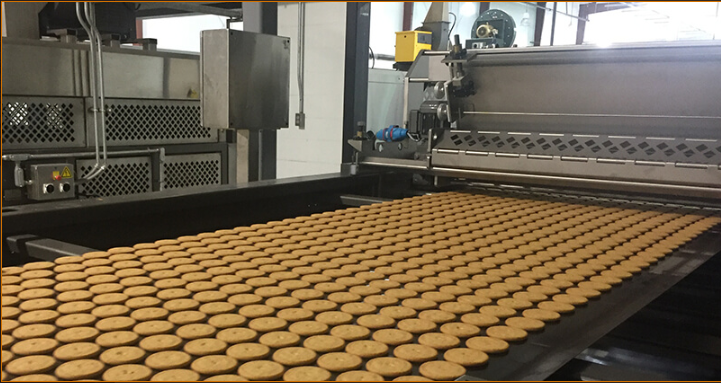
Getting That Perfect Golden Brown: Why Circular Infrared Heaters Actually Work
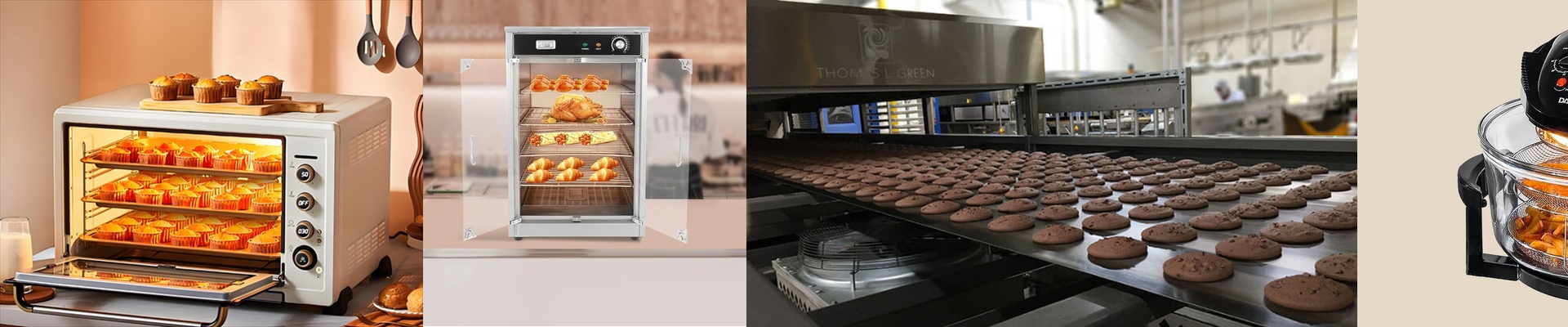
Ever notice how some bread has that perfect, deep golden crust while others just look… pale? To get that look, you need a massive hit of energy, and you need it now. That’s why we use circular shortwave infrared heaters. Instead of wasting time heating up the air around the bread, these things beam energy straight into the dough. It’s direct. It’s fast.
The Secret to the Crunch
Most convection ovens are just too slow for a high-speed line. By the time the air gets hot enough to brown the crust, you’ve probably dried out the inside of the loaf. Nobody wants a cracker when they asked for bread. Shortwave infrared is different. It hits the surface instantly. This kicks off the Maillard reaction—that’s just the fancy science term for the browning and flavor we all love—without ruining the center. We use a circular footprint so the heat wraps around the product. No matter the angle, it gets hit.
The Nitty-Gritty on the Gear
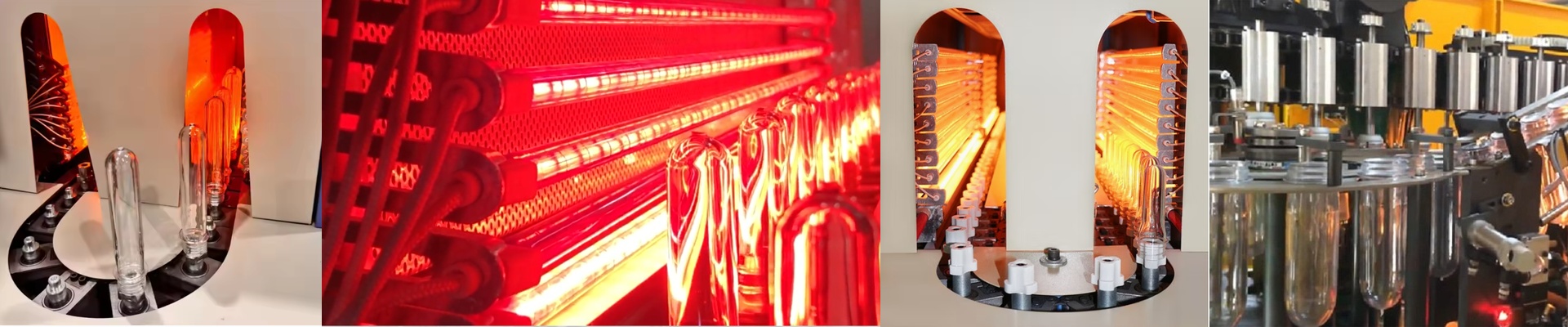
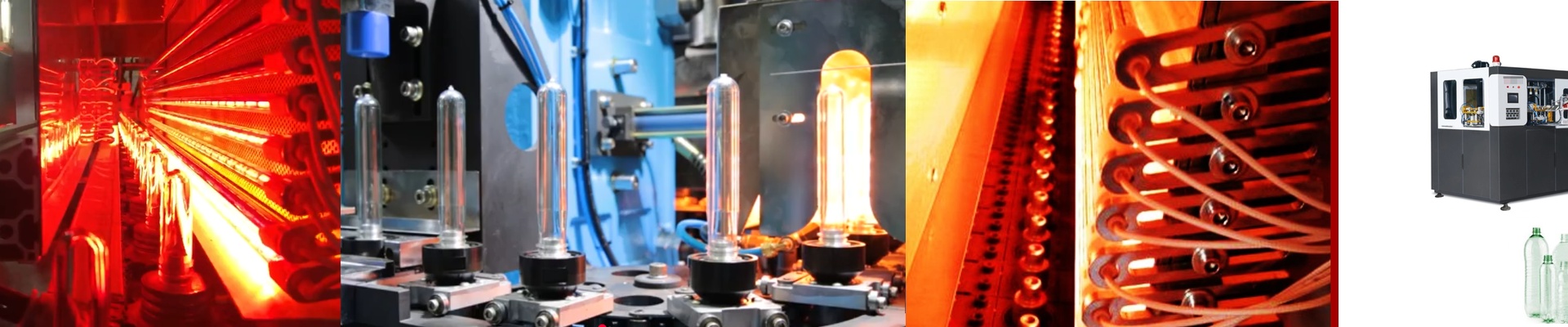
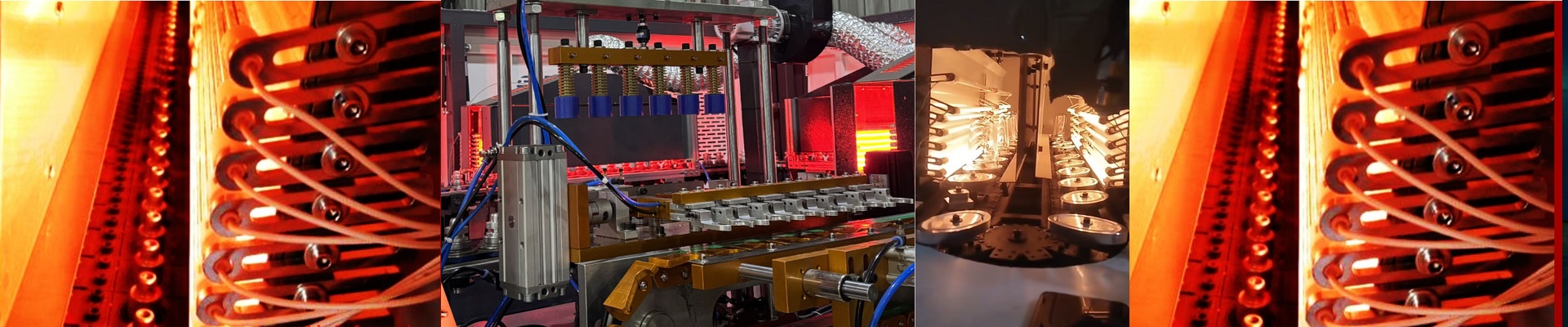
Under the hood, we’re talking high-purity quartz tubes and halogen gas. Here is why the halogen matters: it stops the tungsten filament from evaporating. Without it, these lamps would burn out almost immediately under the high wattage we’re pushing. You’ll usually see these tucked into finishing tunnels or warming units. Now, a word of caution. Because the heat is so concentrated, it’s intense.Really intense. If your chassis isn’t properly shielded, your surrounding components will warp. You have to make sure your housing materials can handle the heat, or you’re going to have a melted mess on your hands.
Making it Work in the Real World
We hate downtime as much as you do, so we designed these for quick swaps. They use standard plug-and-play connectors. You just pop the old one out, click the new one in, and get the line moving again. No soldering required. One tip on the setup: watch your belt speed. If your conveyor is moving too slowly but your wattage is cranked up, you’ll char the crust before the middle is even warm. It’s a balancing act. And please, keep the lenses clean. A little bit of grease buildup on the quartz creates a hotspot, and that’s a one-way ticket to a cracked tube. Keep them spotless, and they’ll last.