


Why we torture our IPX4 heaters in the “damp-heat” chamber
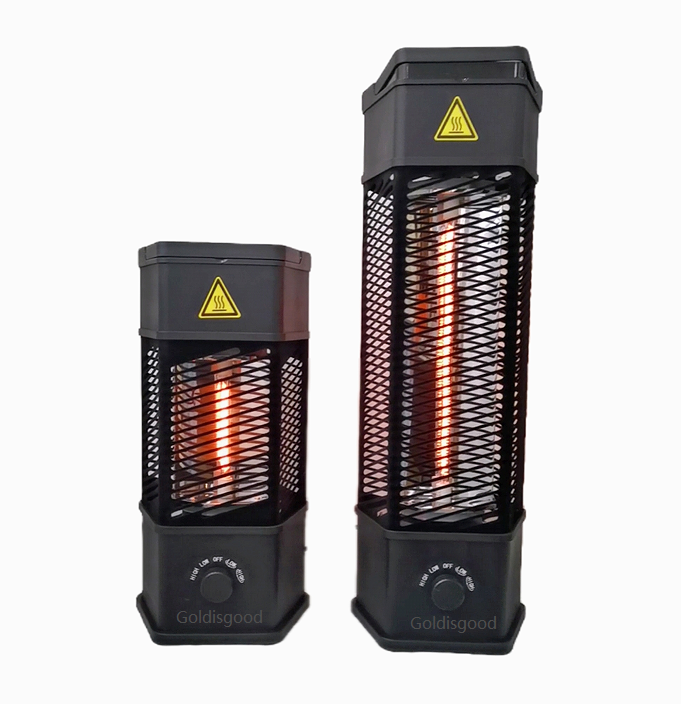
Let’s be honest: bathrooms are a nightmare for electronics. Between the steam, the random splashes, and the constant swing from freezing cold to sauna-heat, it’s a brutal place for a heating element to live. Now, you’ll see “IPX4” on the spec sheet. That basically means the unit can handle splashes from any direction. But a rating on a piece of paper isn’t the same as surviving three years in a real bathroom. That’s why we put every batch of infrared lamps through damp-heat aging tests. We want to find the breaking point in our lab, not after the unit is already installed in your customer’s ceiling. Here’s the thing about moisture: it’s sneaky. Liquid water is easy to block, but water vapor? That gets into everything. Steam migrates inside the housing and settles on the electrical contacts. Once that happens, you get “tracking”—where electricity starts crawling across the insulation. Eventually, something pops, a circuit shorts, and the lamp burns out. To stop that, we lock our units in a high-humidity chamber and crank up the heat. We’re basically simulating years of showers in a few days. If a seal is even slightly off, the unit fails right then and there. Then there’s the heat itself. Infrared lamps get incredibly hot. When you mix that kind of heat with a damp environment, oxidation happens way faster. We keep a close eye on the terminals for corrosion and check the gaskets for wear. A rubber seal might look perfect on day one, but after 500 hours of heating and cooling, it can shrink or crack. We look for those tiny gaps before they become big problems. Of course, there’s a bit of a balancing act here. If we make the seal too tight to keep the moisture out, we trap the heat inside. If we overdo the waterproofing, the internal electronics just cook themselves. It’s a tightrope walk. We need the IPX4 protection, but we also need enough venting so the unit doesn’t trip the thermal cutoff every ten minutes. It takes some tweaking, but it’s worth it. We’d much rather break a hundred units in our own lab than have one fail on your watch.