Stop Letting Your Outdoor Tables Go Cold
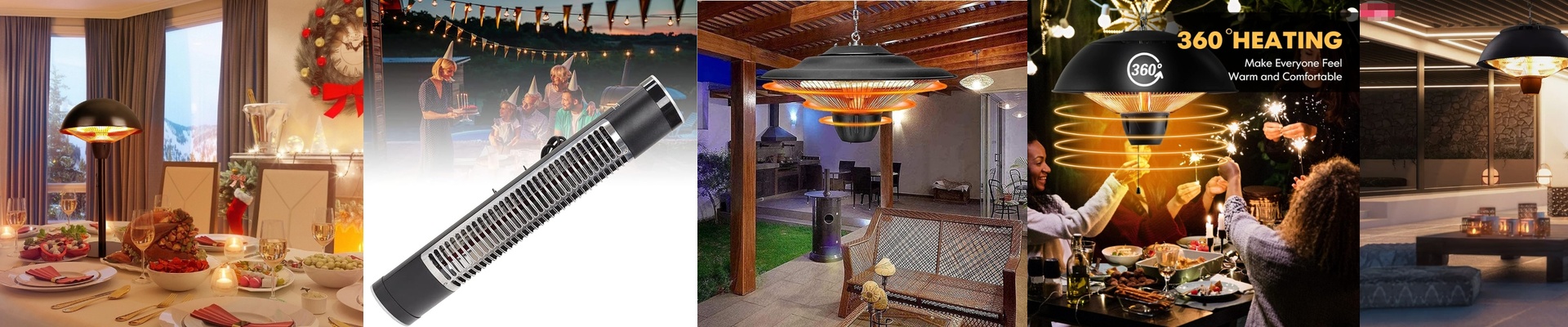
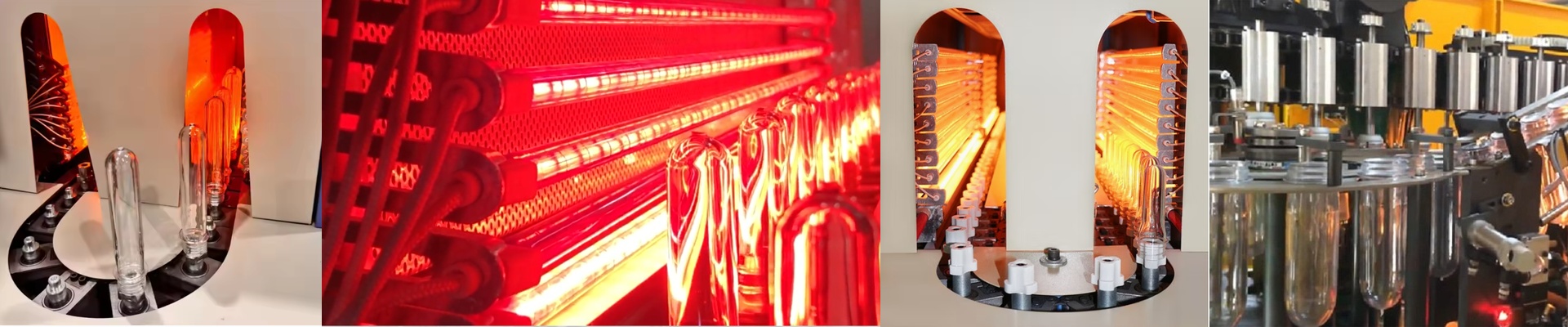
It’s a frustrating sight: a beautiful outdoor pergola, empty tables, and a winter breeze that makes guests shiver just looking at the patio. Most people try to fight this with standard air heaters, but the wind just blows the heat away before it ever reaches the customer. That’s where shortwave infrared comes in. Here is the secret: IR doesn’t bother trying to heat the air. Instead, it beams warmth directly onto your guests and their furniture. It feels like sitting in the sun on a crisp October day. For an open-air setup, it’s really the only way to go.
The Nitty-Gritty (and Staying Dry)
If you’re putting these in a commercial space, you can’t just buy the cheapest thing on the shelf. You need a rating of at least IP65. Why? Because rain happens, and heavy condensation is a nightmare. Without that rating, your heaters will short out right when you need them most. Depending on how high your ceiling is, we usually go with 1500W to 3000W units. One thing I always tell people: watch out for the glare. Cheap IR lamps can be blinding, which isn’t exactly the “mood” you want for a dinner date. We use quartz tubes with a special coating that kills that harsh light. We mount them about 2.5 to 3 meters up—high enough to cover a wide area, but low enough that people actually feel the glow.
Why This Actually Matters for Your Bottom Line
Let’s be honest: cold terraces are money left on the table. When you have a zoned system, you can keep people comfortable even when it drops to 5°C. And when guests are warm, they don’t rush off. They linger. They order that extra round of drinks or a dessert they weren’t planning on. Plus, you don’t have to heat the whole patio if only two tables are full. You can set these up with independent switches or timers. You only pay for the heat where the people are.
A Quick Warning on Power
Here is the part where people usually mess up: these heaters pull a lot of power. Please, for the love of your sanity, do not just plug these into a standard extension cord. You’ll trip the breaker right in the middle of a dinner rush, and suddenly your patio is freezing again. Make sure your wiring and circuit breakers are built for the load. A good rule of thumb? Give every four units their own dedicated circuit. It’s a bit more work upfront, but it beats having a dark, cold patio on a Saturday night.