



Stop Fighting Bathroom Mold: A Better Way to Stay Warm
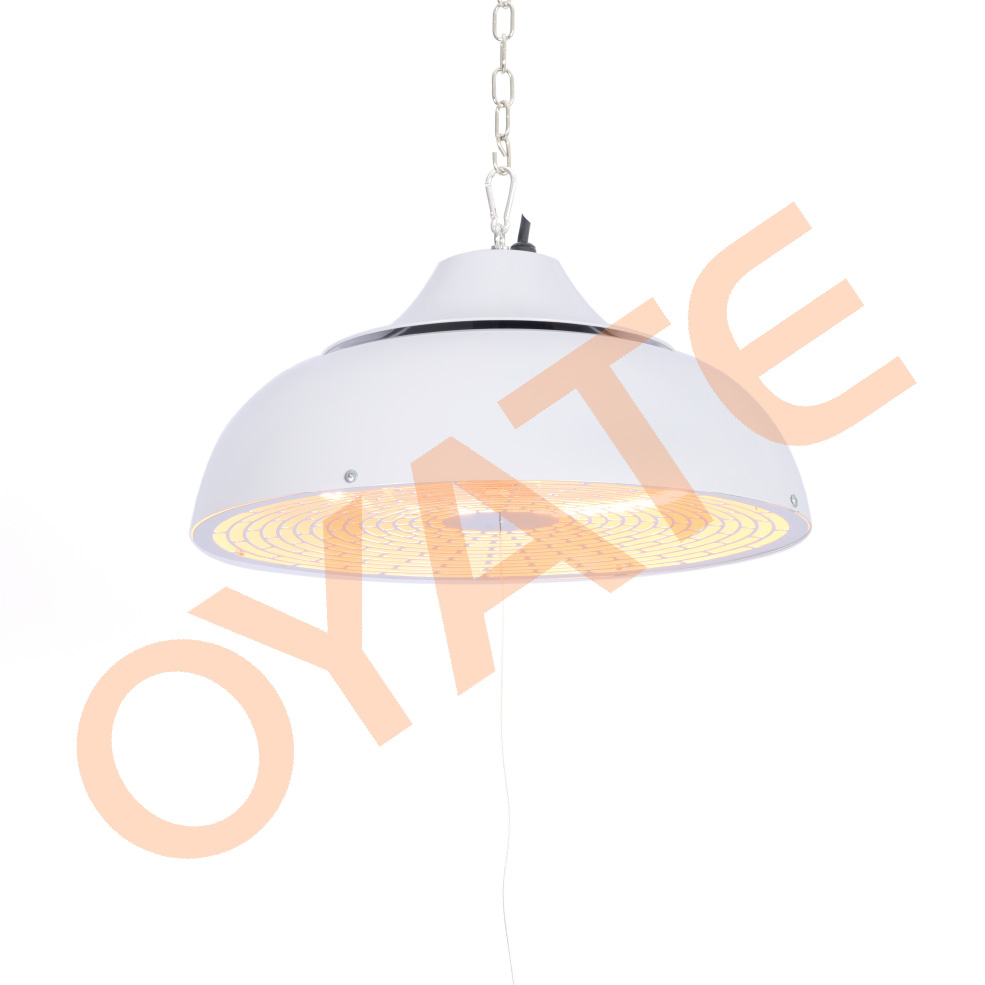
Let’s be honest: nobody likes a freezing bathroom in the winter. But the real headache isn’t the cold—it’s the damp. You know the drill. You take a hot shower, the room turns into a sauna, and then you spend the next week scrubbing mold out of your grout because the walls just won’t dry. Most heaters just warm up the air. That’s the problem. When warm air hits a cold wall, you get condensation. It’s a cycle that basically invites mold to move in. Our infrared lamps do things differently. Instead of heating the air, they beam energy directly onto the surfaces.
Drying from the Inside Out
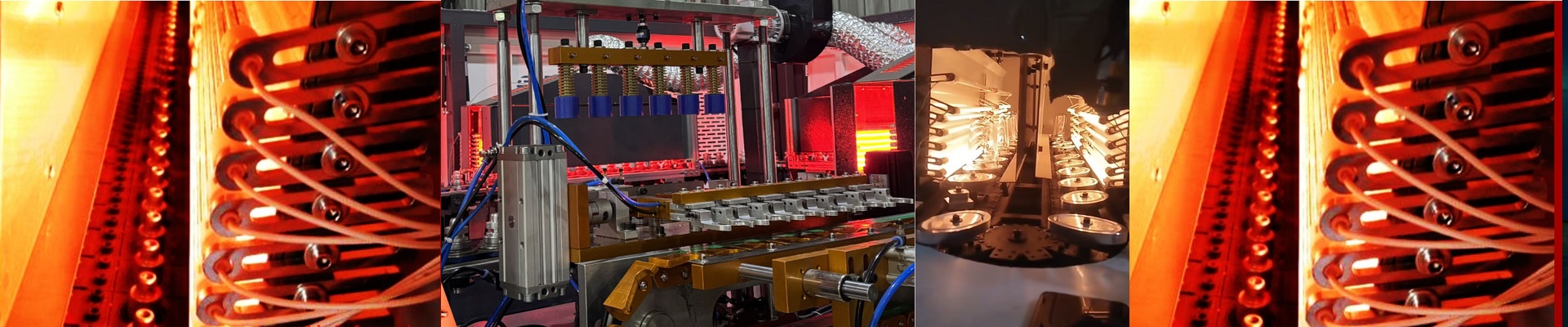
We use short-wave infrared (SWIR) emitters for this. Think of it like the sun hitting your skin on a clear day. The heat actually penetrates the tiles and grout. When these are tucked into your ceiling, they don’t just make the room feel cozy; they push moisture right out of the walls. By keeping the surface temperature above that “dew point” where water clings, you basically starve mold spores of the moisture they need to grow. It’s a much cleaner way to handle a steamy room.
The Nitty-Gritty
These units run on high-wattage quartz filaments. Why? Because nobody wants to wait ten minutes for a heater to kick in. These hit full temperature almost instantly. But there is a catch. Because they pack so much power into a small space, the housing gets hot. If you don’t leave enough breathing room around the fixture for ventilation, you’ll burn out the filament way sooner than you should. Just give it some space to breathe.
Making it Work
Here is the secret: don’t rely on a fan alone. Fans are great for moving air, but they struggle with those stubborn “wet zones”—the corners and the deep grout lines. When you pair an infrared lamp with your exhaust fan, you get a one-two punch. The lamp dries the surfaces, and the fan whisks the evaporated steam out of the house. Just a heads-up on the install: make sure you use a waterproof, IP-rated housing. Steam is sneaky and will find its way into your electrical connections if there isn’t a proper seal, which is a recipe for a short circuit. Also, double-check that your wiring can handle the initial surge of power when the lamp first clicks on.