
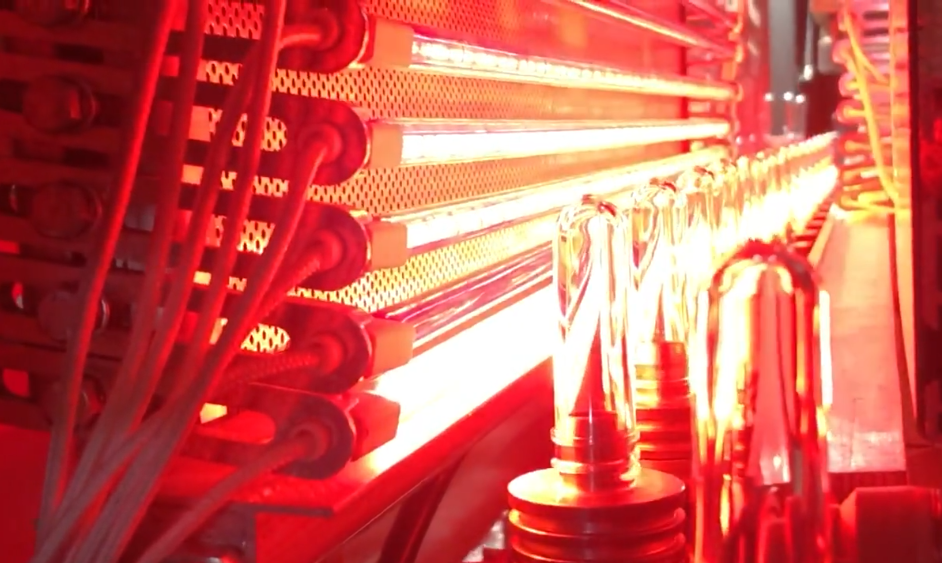
Getting Your Sidel Matrix Heating Just Right
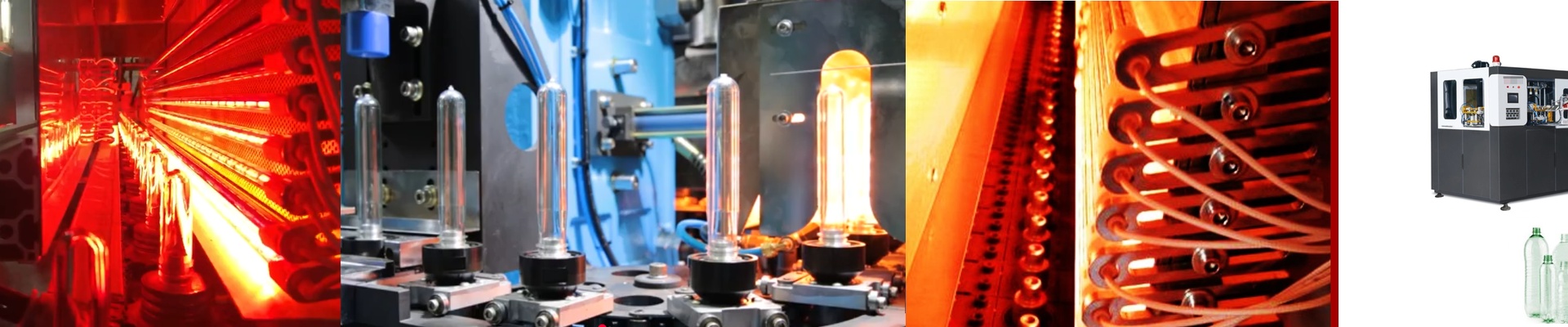
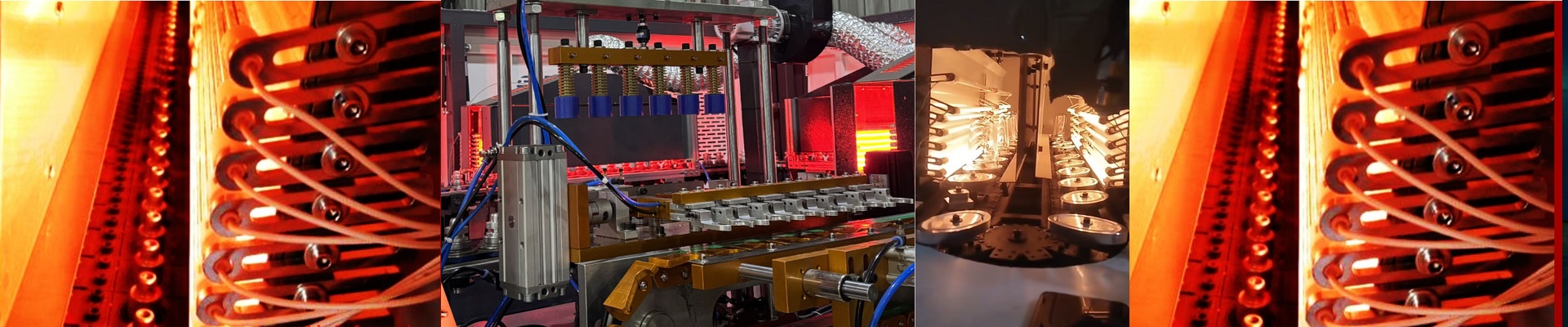
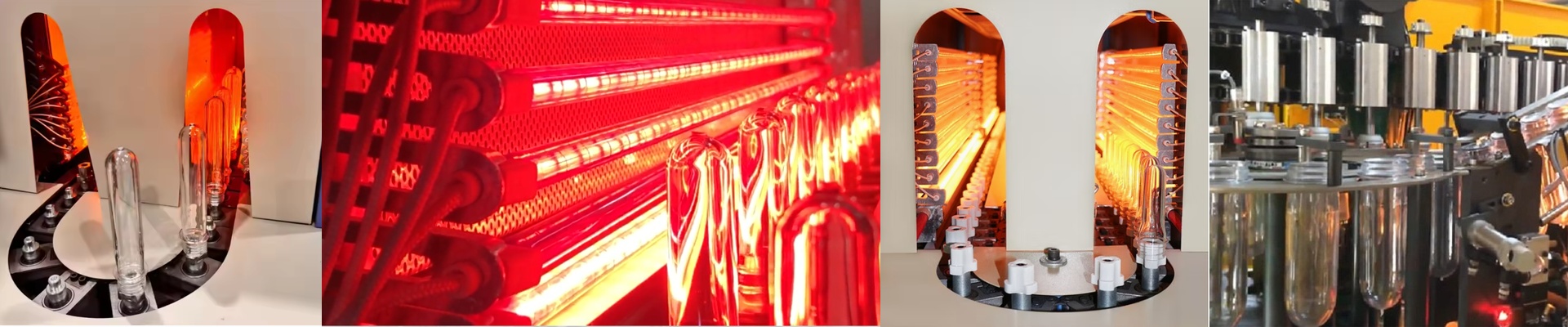
Here is the problem when you swap out OEM lamps in a Sidel Matrix: the heating curve loves to shift. It sounds like a small thing, but if the wattage or the light spectrum is even a tiny bit off, your PET preforms won’t hit the right temperature. That’s how you end up with weird wall thickness or that annoying pearlescence that ruins a batch. We build our replacement lamps to match the originals exactly so you don’t have to deal with that headache. It’s all about the physics We do more than just check the length and voltage. We look at the power density across the whole tube. A Sidel Matrix needs a very specific amount of heat per centimeter to make sure the preform warms up evenly from top to bottom. If the filament is slightly off-center or the wattage is wonky, you get hot spots. We spec our filaments to mirror the OEM resistance. This means the voltage drop produces the exact same infrared intensity you’re used to. Plug and play These are true drop-in replacements. We use the same connector footprints—whether you’re dealing with R7s or those specialized Sidel pins—so you can just pop them in without rewiring your entire oven. We also use high-purity quartz glass. It has to be tough to handle the thermal shock of rapid heating and cooling. Some of our tubes even have special coatings that push the heat into the PET material instead of wasting it on the machine frame. One thing to watch out for High-density IR lamps put out a lot of heat, which means your cooling blowers have to work harder. If your ventilation is clogged or your fans are on their last legs, these lamps will run hotter than the original specs. Just keep your airflow clear. It’s the easiest way to make sure your sockets don’t scorch. When the voltage, wattage, and dimensions all line up, your temperature curve stays flat. You get the same heat profile you’ve always had, just without the OEM price tag.