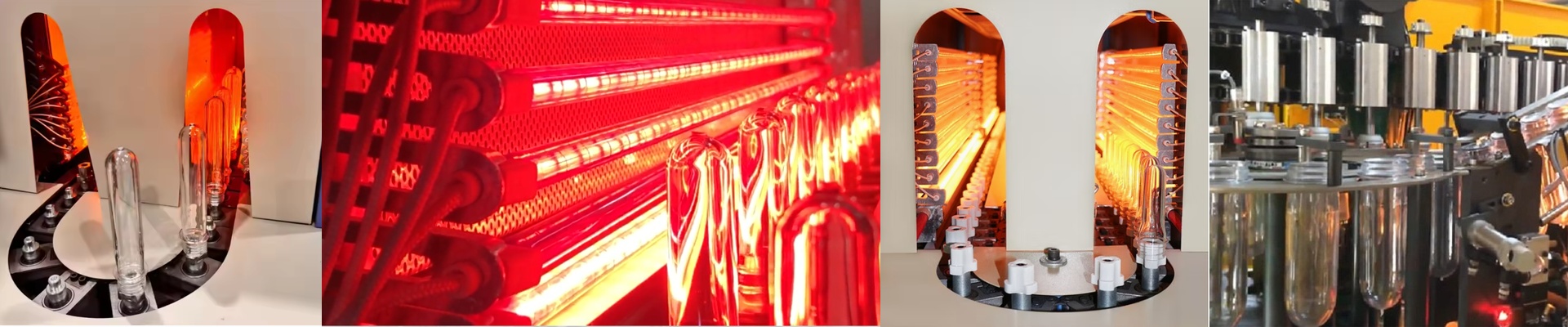
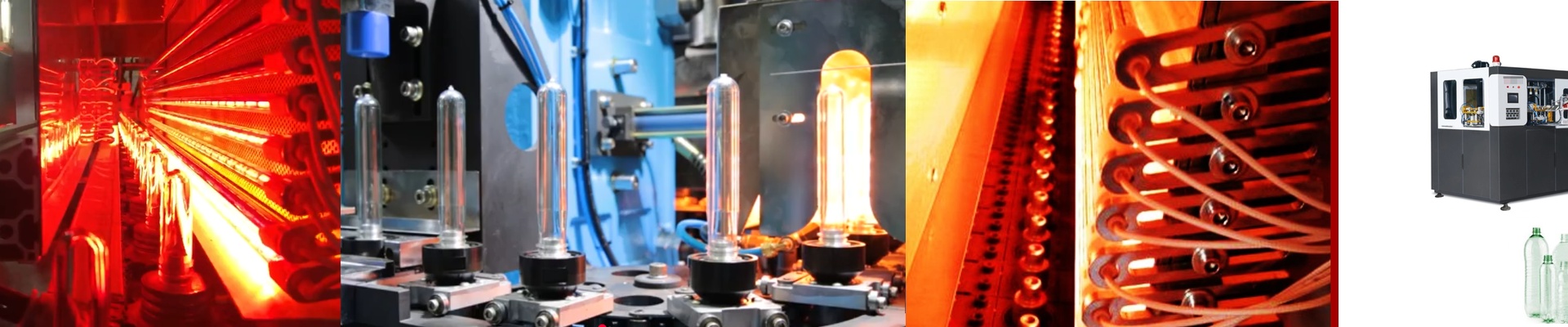
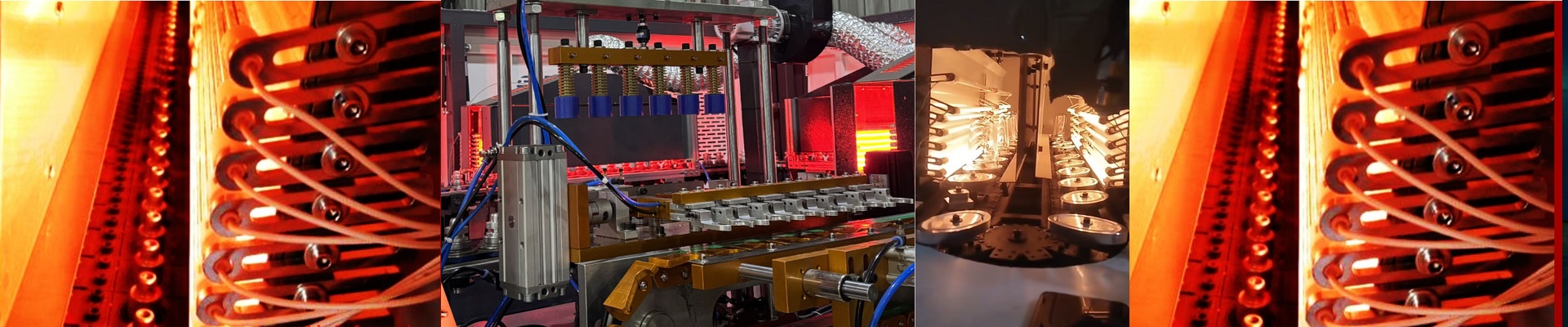
Making IR Lamps That Actually Fit Your PET Blow Molder
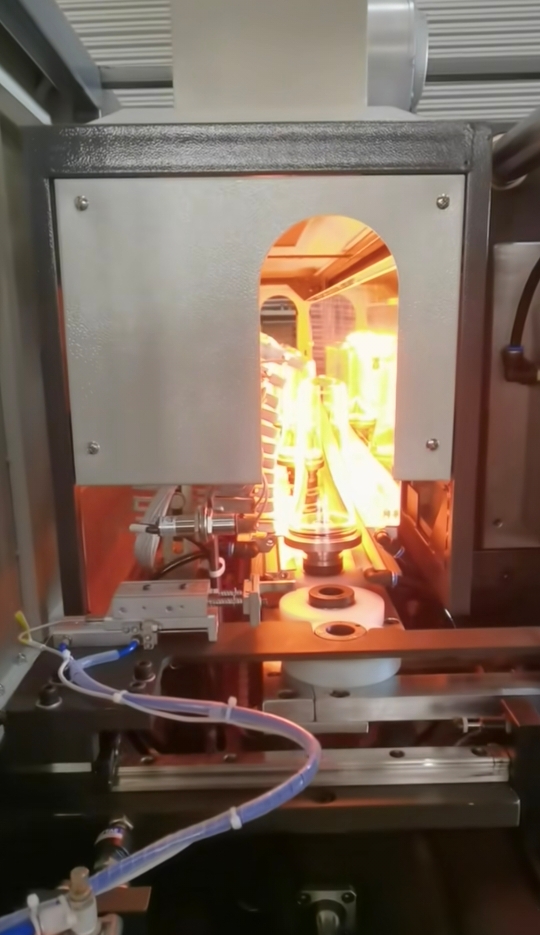
We’ve spent a lot of time making sure our infrared lamps just work. Whether you’re running Amsler machines or other global PET gear, we wanted to create something you can just slide in and forget about. Getting a 95% compatibility rate across different brands isn’t some magic trick. It’s just about obsessing over the electrical and physical footprints of your oven banks so you don’t have to mess around with the hardware.
Power and Heat
Here’s the thing: if you don’t get the wattage and voltage just right, you end up with “pearlescence” or, worse, overheated preforms. We build our tubes to handle the heavy lifting—usually anywhere from 230V to 400V, depending on what your power rail is doing. By using higher voltage, we can cram more wattage into a shorter tube. This means the heat hits harder and faster. But a quick heads-up: if you’re pushing over 2500W through a compact tube, your reflectors are going to feel the stress. Check them. If they aren’t polished and shiny, you’re basically throwing energy away by letting it soak into the oven frame.
The Build
We use heavy-wall quartz glass. Why? Because when things get screaming hot, cheap glass bows. Ours stays straight. We also fill them with halogen to keep the light steady and make the lamps last longer. Then there are the connectors—the R7s or Sk15 types. We keep the tolerances tight. You want them to snap into the socket with a solid click, not wobble. A loose fit is a nightmare; it creates an arc that burns out the socket and kills your lamp way too soon.
Real-World Use
These aren’t for light duty. They’re built for the grind of 24/7 production. Since we mirror the original OEM specs and dimensions, you can skip the headache of rewiring controllers or bending brackets. Just swap them out during your scheduled downtime. It’s a lot better than dealing with an unplanned line stop in the middle of a rush.