
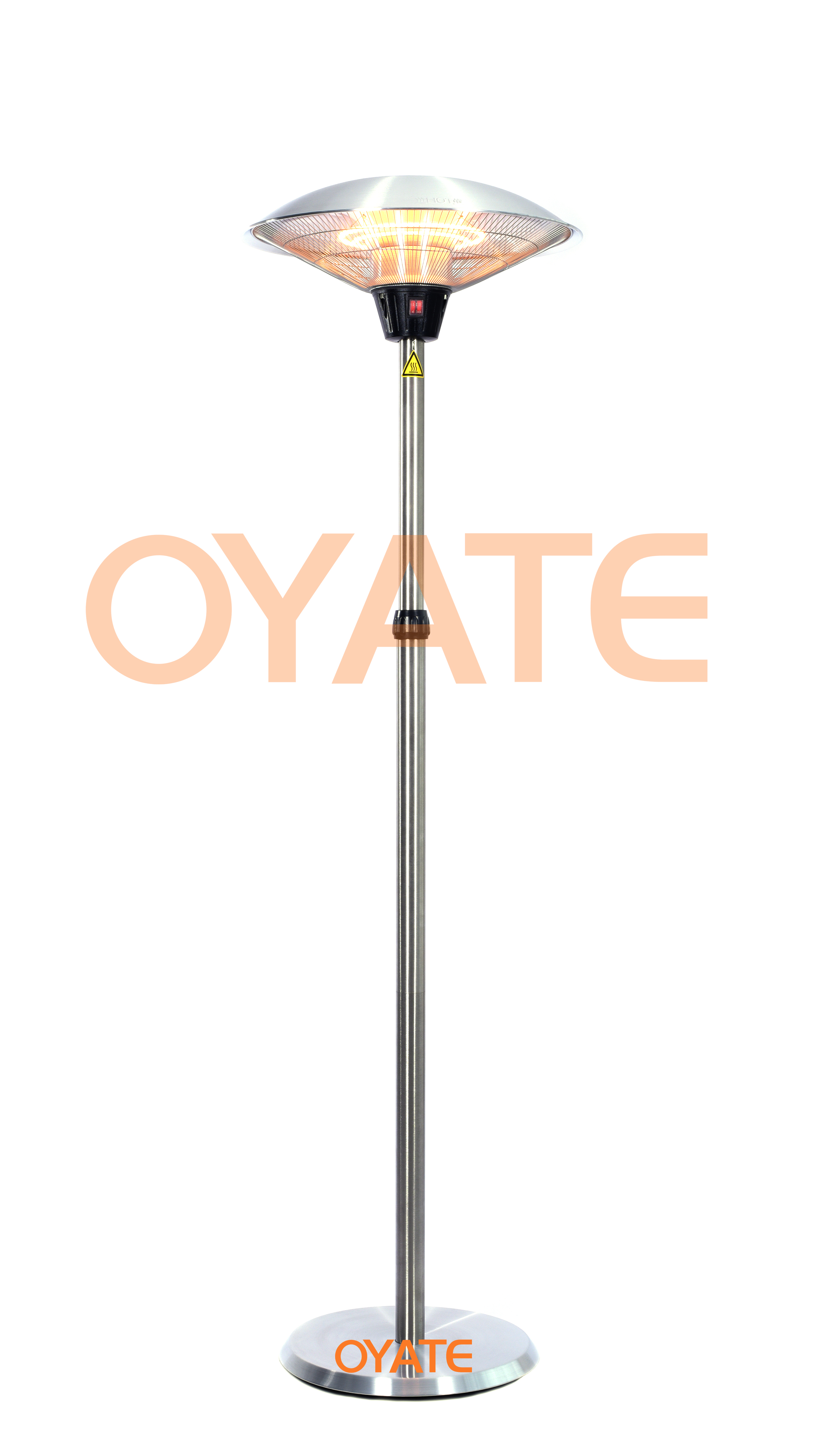
Why Waterproof IR Heaters Actually Work in Wet Spaces
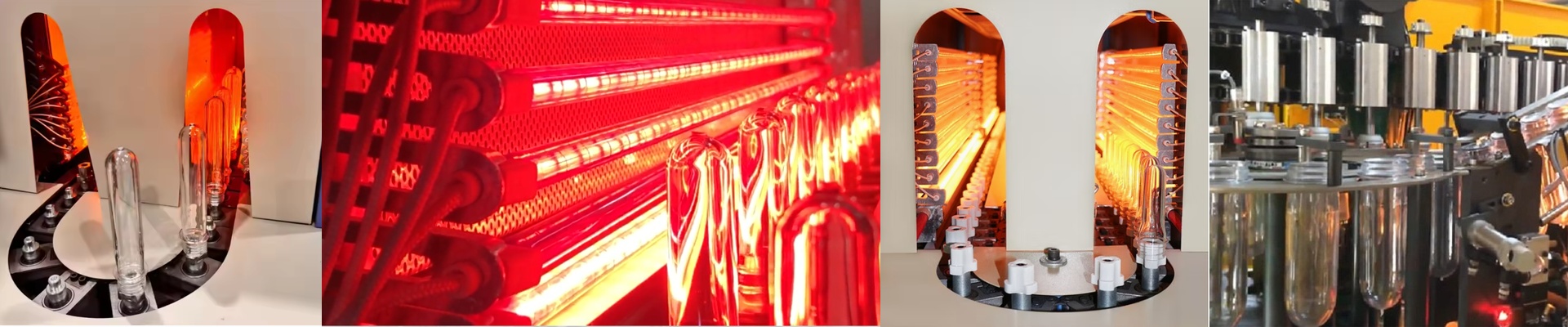
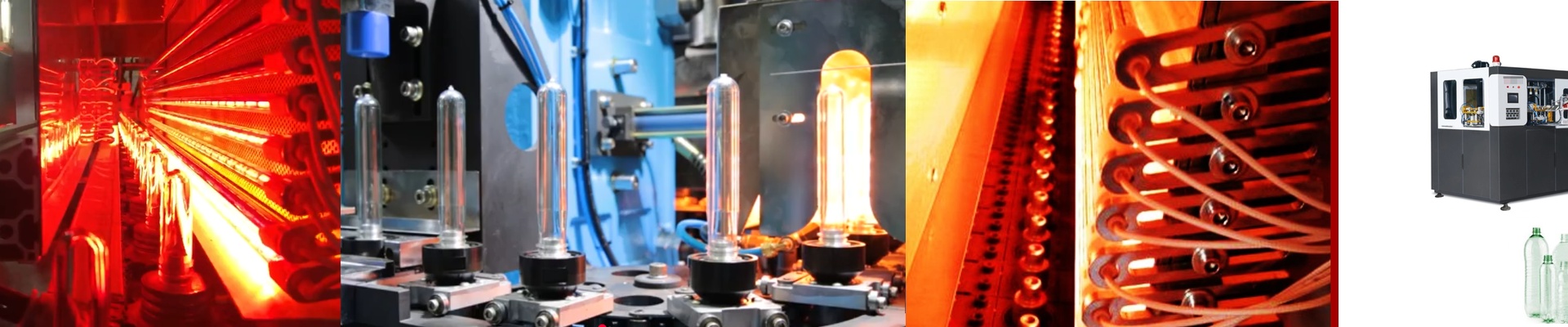
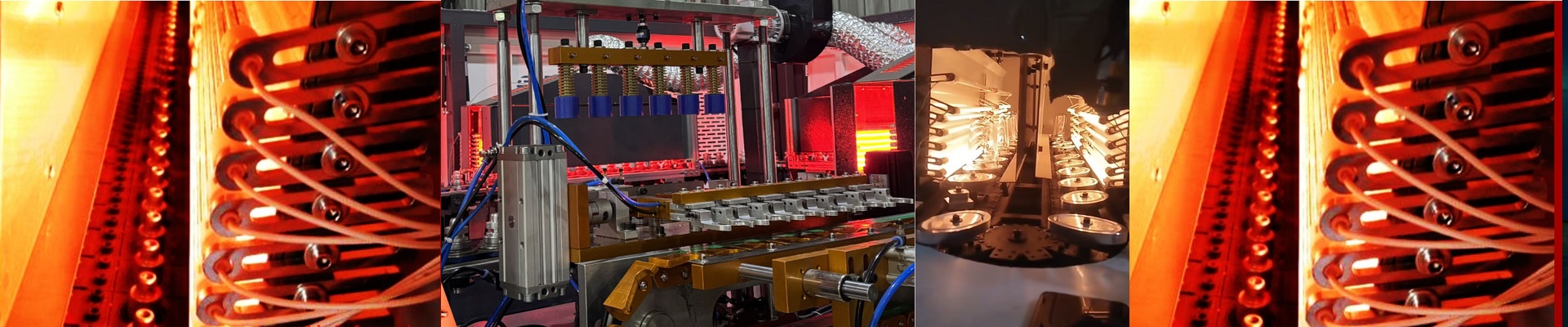
If you’ve ever tried to heat a locker room or an outdoor patio with a standard heater, you know the struggle. It’s a losing battle. You’re basically trying to heat the air, but the moment a draft hits, all that warmth just vanishes. That’s where short-wave infrared (IR) comes in. Instead of fighting the breeze, these heaters skip the air entirely. They send out waves that hit a surface—or a person—and turn into heat the second they touch. It’s instant. Most Electric heaters have to warm up a big chunk of metal or ceramic first, which takes forever. Our IR units use quartz or halogen elements that get hot in seconds. Think about that feeling when you step into the sun on a chilly morning. That’s exactly what this feels like. When someone walks into a cold changing area, they feel the warmth immediately. It gives you that high-end, luxury hotel vibe without making people wait twenty minutes for a thermostat to finally kick in. Now, obviously, mixing water and high-voltage electricity is a recipe for disaster. To make these work in wet areas, we’ve completely sealed the electrical junctions and the housing. We stick to strict IP ratings to keep moisture and corrosion out. Plus, we use stainless steel or powder-coated frames because, let’s be honest, humidity and harsh cleaning chemicals will eat through cheap materials in no time. But here’s the thing: you can’t just slap these on a wall and call it a day. These units pull a lot of power. If your wiring or breakers aren’t up to the task, you’re going to be dealing with tripped circuits all day. And since the heat is directional, placement is everything. If you’re off by just a couple of feet, you’ll end up with a “cold spot” that makes the whole room feel uneven. We usually suggest a staggered layout. It creates overlapping patterns of heat so every inch of the floor stays cozy.