
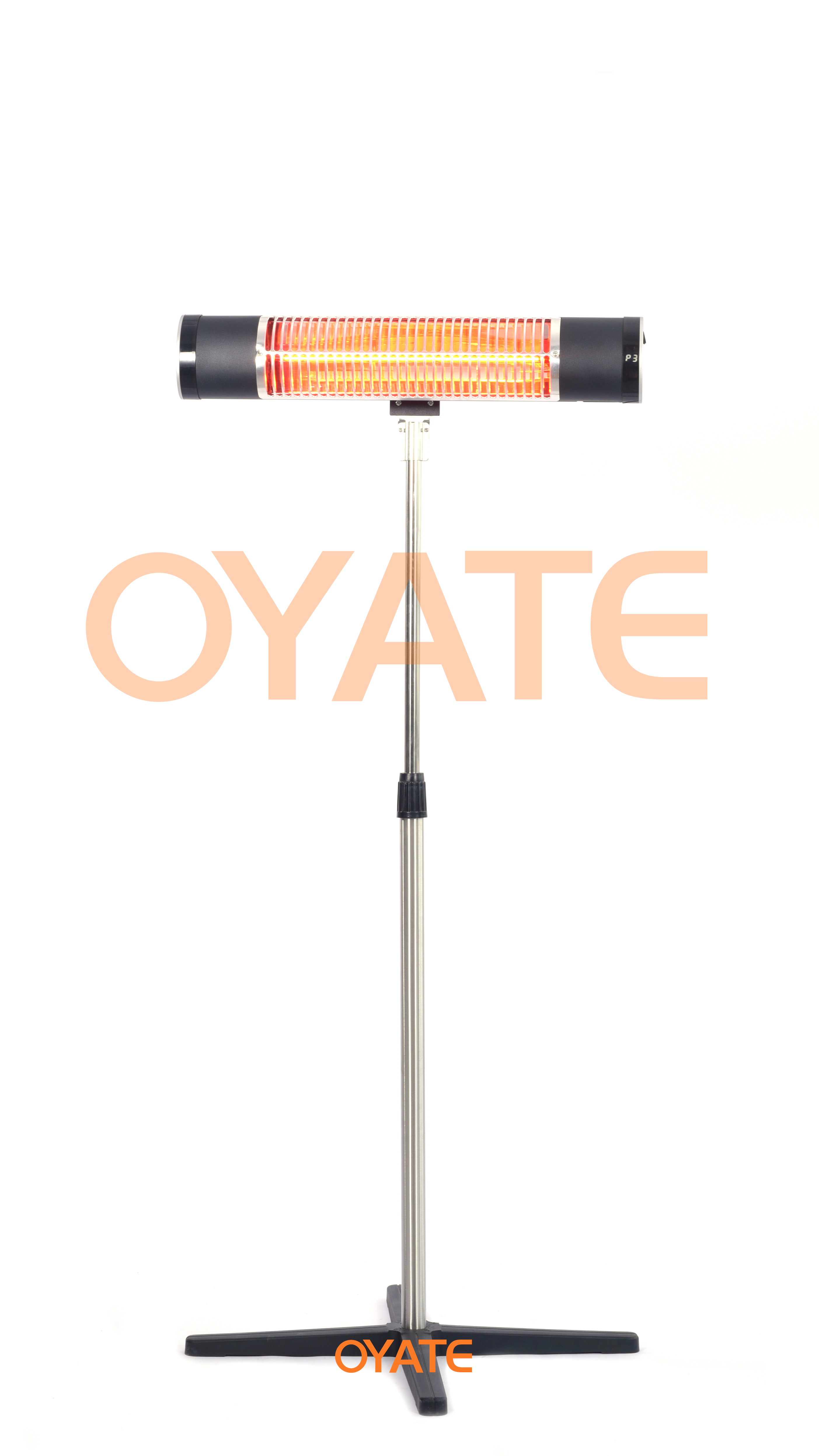
How to actually pick the right heater for your bathroom
When you’re shopping for an infrared heater, your first instinct might be to just grab the one with the biggest number on the box. But here’s the thing: more power isn’t always better. It’s really about how much space you’re trying to warm up and how much steam you’re dealing with. Also, make sure you’re looking for anIP55 rating. Bathrooms are brutal on electronics—between the humidity and the occasional splash, you need something that can actually handle the environment without quitting on you.
Getting the power right
I usually break it down into three simple buckets. If you’ve got a tiny powder room (under 4m²), a 400W to 600W unit is plenty. Go any higher and you’ll basically be sitting in a sauna, which is a waste of electricity. For your average bathroom (4m² to 8m²), you’re looking at 800W to 1200W to keep things cozy. Then you have those massive master baths over 10m²—those need 1500W or maybe a couple of smaller units spread out. And a word of warning: don’t put a 1500W beast in a tiny stall. The thermostat will kick off almost immediately, then click back on, then off again. It’s called short-cycling, and it’s a great way to kill your relays and blow a hole in your energy budget.
Why “Shortwave” is the way to go
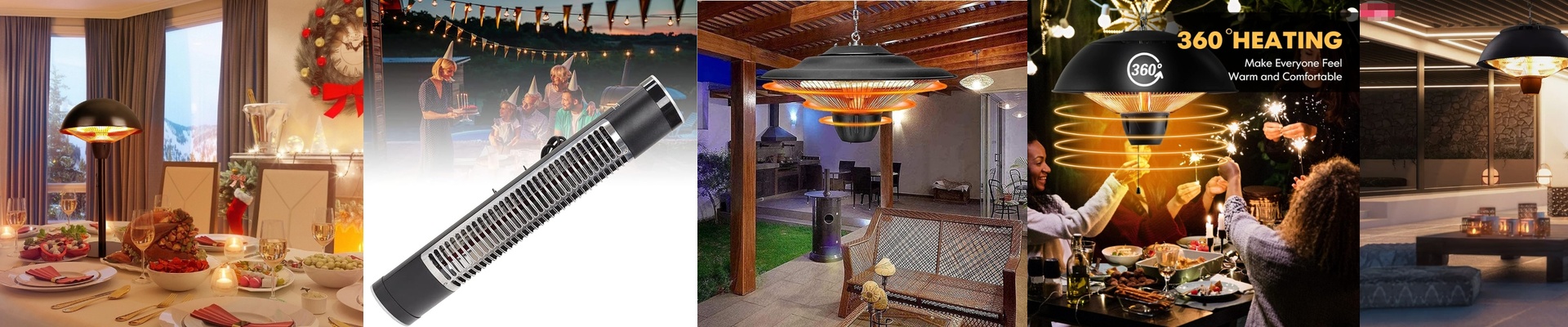
Since we’re talking about bathrooms, we use shortwave infrared. Unlike a space heater that tries to warm up all the air in the room, this hits you and the surfaces around you directly. It’s the only way to actually feel warm when you’re stepping onto a freezing cold tile floor in a room full of steam. Plus, with that IP55 seal, the electrical guts are protected from corrosion, so it doesn’t just work well—it lasts.
The balance between heat and safety
High-wattage lamps are great because they’re instant. You turn them on, and you feel it immediately. But there’s a catch: the guard gets hot. Really hot. You have to make sure the heater is mounted high enough so nobody accidentally brushes against it. If your ceilings are low, don’t just settle for a dangerous hot spot. Instead, drop the wattage and install two smaller units. You get the same amount of warmth, but it’s spread out across the room, which is much safer for everyone.