
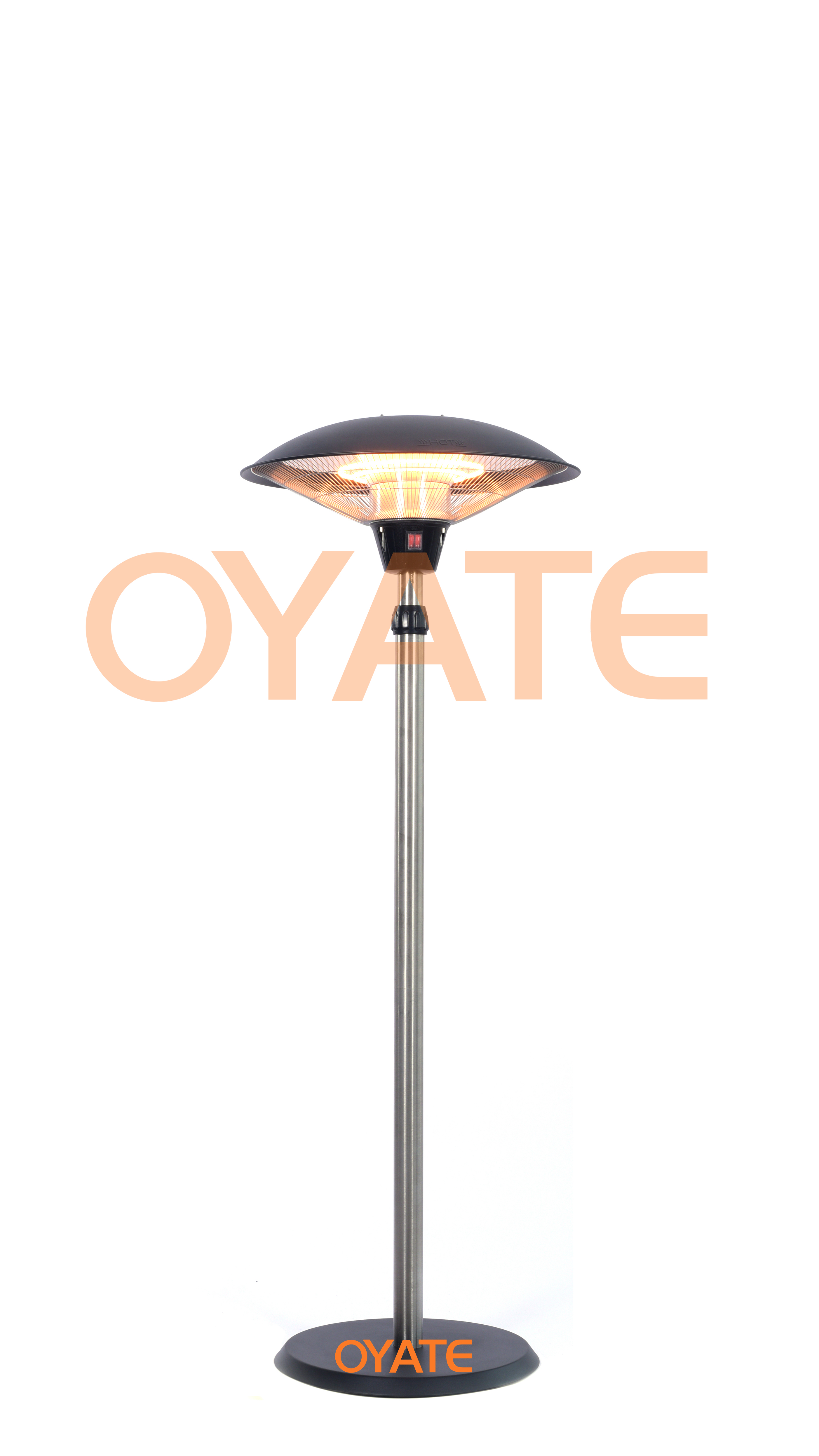
Why we put our bathroom heaters through the ringer
Let’s be honest: bathrooms are a nightmare for electronics. You’ve got steam everywhere, random splashes of water, and the temperature swings from freezing to sauna-hot in about five minutes. If a heater isn’t built to handle that kind of abuse, things go south fast. Seals leak, quartz tubes crack, or—worst case—the wiring shorts out. Nobody wants that in their ceiling.
The battle against the steam
A lot of companies just check if a unit is “waterproof” on day one and call it a win. We don’t. Here’s the thing: water vapor is sneaky. It finds the tiniest gaps in the housing and crawls inside. Once it’s in, it settles on the electrical terminals and starts to rust things out. Eventually, you get an arc-over, and the whole thing dies. To stop that, we lock our heaters in high-humidity chambers at high heat for hundreds of hours. We basically try to break them. We want to find the exact moment a seal gives up. If moisture hits those halogen lamp contacts, the lamp burns out way too early. We’d rather it happen in our lab than in your home.
Heat, cold, and the “pop” factor
Infrared lamps get hot—fast. Imagine a freezing drop of water hitting a glowing hot quartz tube. That thermal shock can literally shatter the glass. It’s a violent reaction. That’s why we obsess over the glass thickness and the coatings we use. We need to make sure the material can handle that sudden jump in temperature without cracking. Then there are the connectors. These are usually where things fail. We use specific alloys that don’t care about salt or humidity. If those connections get corroded, the heat starts building up at the terminal instead of the heating element. That’s how you end up with melted plastic. Not a great look.
Finding the sweet spot
You might think, “Why not just seal the whole thing airtight?” Well, that actually creates a new problem. If you seal it too tight, condensation gets trapped inside and has nowhere to go. So, we play a bit of a balancing act. We keep the IP rating high but leave strategic vents so the unit can breathe without letting the steam in. It’s all about balance. Just a heads-up: because we’ve tuned these for maximum efficiency, make sure you follow the installation clearances. Give the heater some room to breathe in your ceiling so it doesn’t overheat the surrounding materials.