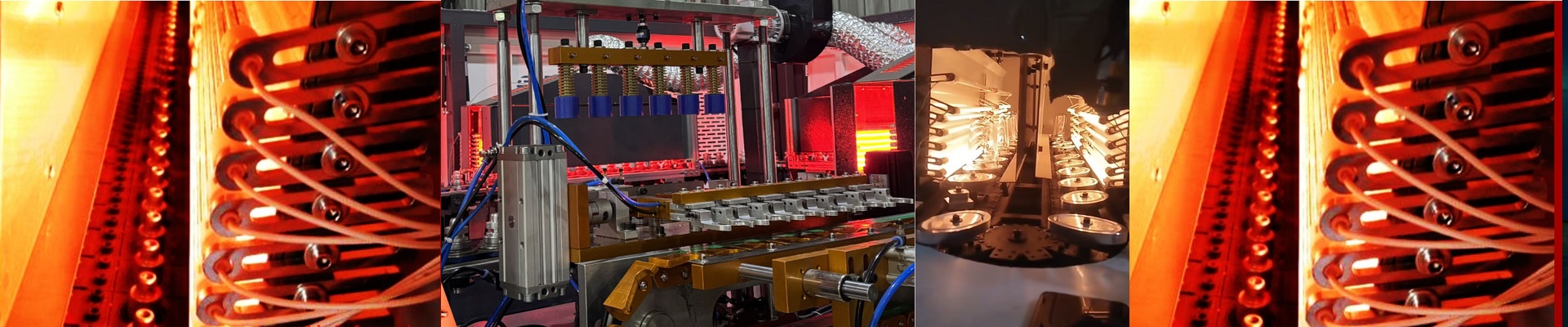
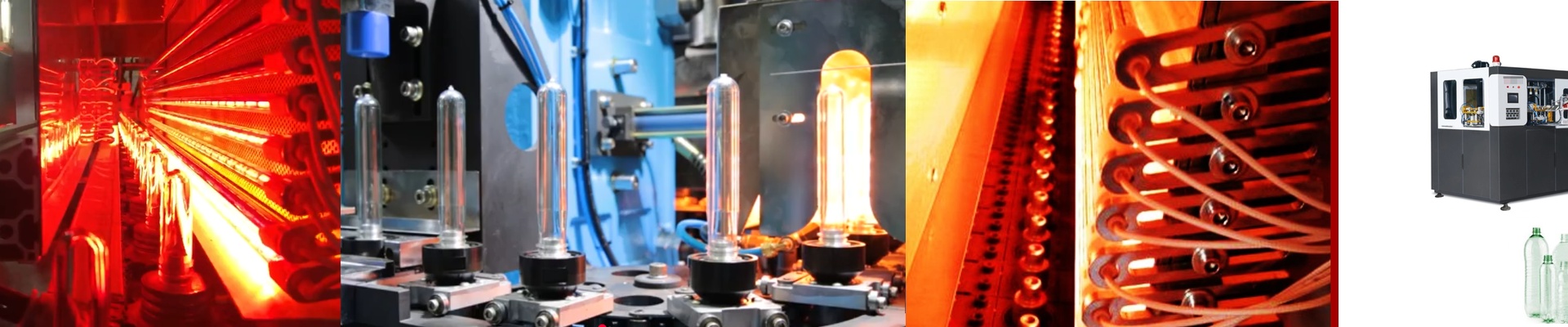
Keeping Your Steam Oven Lamps Alive
Running an infrared lamp inside a steam oven is basically a fight against the elements. You’ve got thick moisture on one side and wild temperature swings on the other. When you’re using a 110V element for bread, you aren’t just looking for “heat.” You need something that won’t just pop and die the second a cloud of steam hits the glass. The 110V Setup We stick with 110V because it plays nice with standard commercial power grids. It keeps the heat steady so you don’t deal with those annoying voltage drops that kill your output. But the real magic is in the wavelength. We’ve tuned the wattage to soak right into the dough. This means your crust browns beautifully and evenly, but the inside stays moist. Plus, it heats up fast. Really fast. You spend way less time staring at a timer during the pre-heat and more time actually baking. Dealing with the Steam Steam is brutal on equipment. To stop these lamps from giving up, we use high-purity quartz glass. It’s tough. It can handle the shock when you vent the oven or slide in a fresh batch of cold dough without cracking. Here’s the thing: most cheap lamps fail at the seal—that tiny spot where the filament meets the glass. If moisture leaks in there, the filament oxidizes and snaps. We reinforce those seals specifically to keep the water out and the light on. A Few Real-World Tips These are designed to be simple drop-in replacements. They fit right into your existing setup. Just make sure you’ve got them wired to a PID controller so you don’t overshoot your target temp. One heads-up, though. Infrared lamps put out a massive amount of concentrated heat. If your ventilation isn’t quite right, that heat can actually melt or degrade your wiring insulation over time. It’s a pain, but it happens. Keep your connectors tight and your airflow clear. Your lamps—and your sanity—will thank you.