
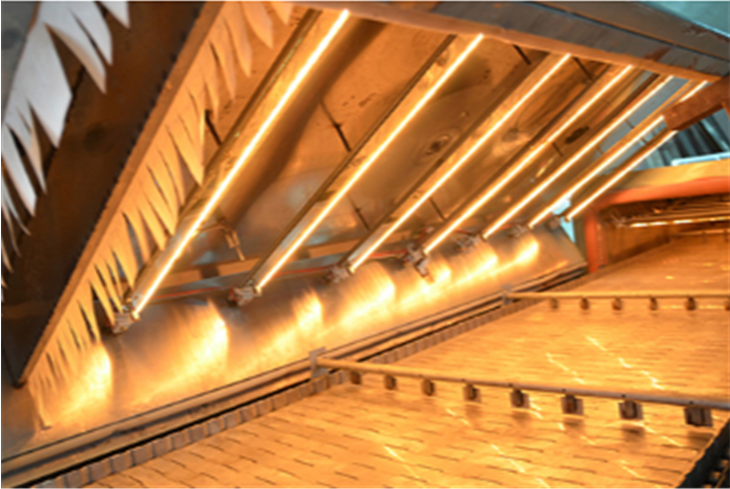
Getting Your Ruby Infrared Heaters to React Fast
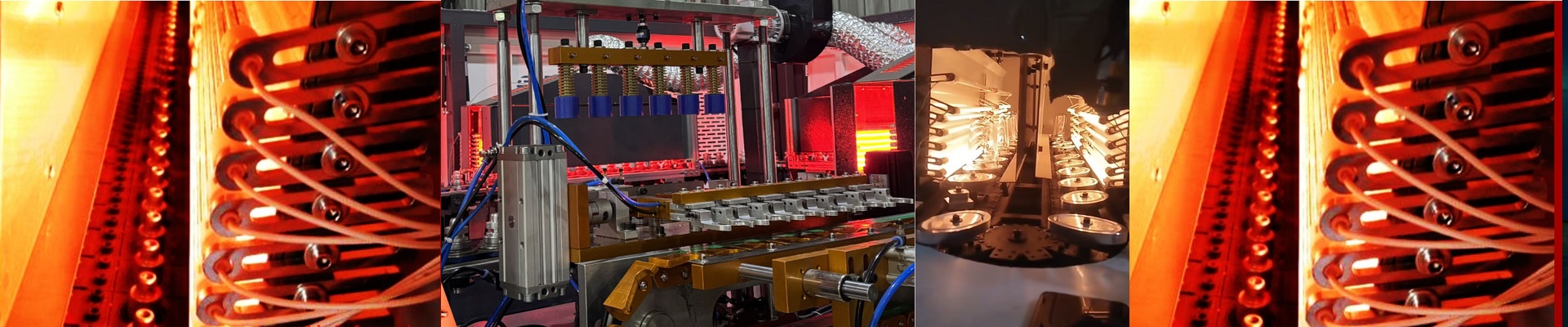
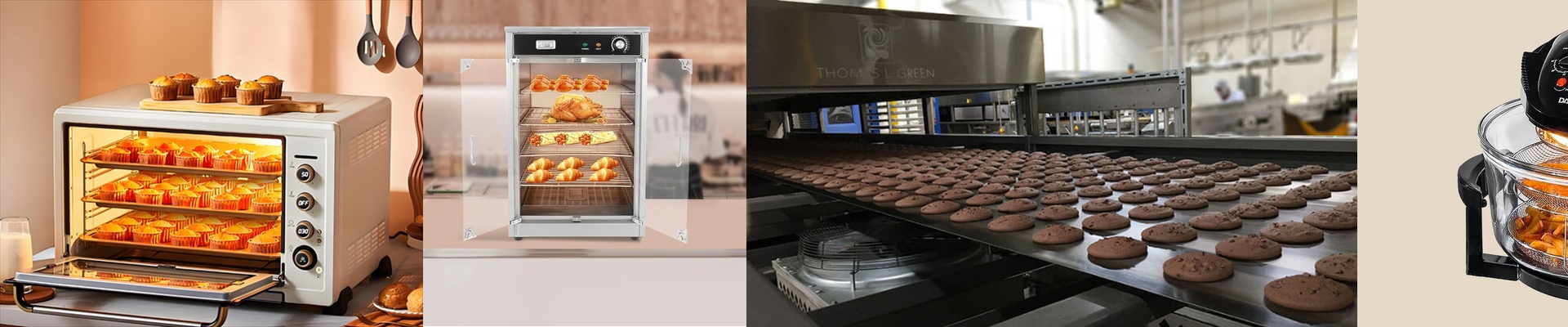
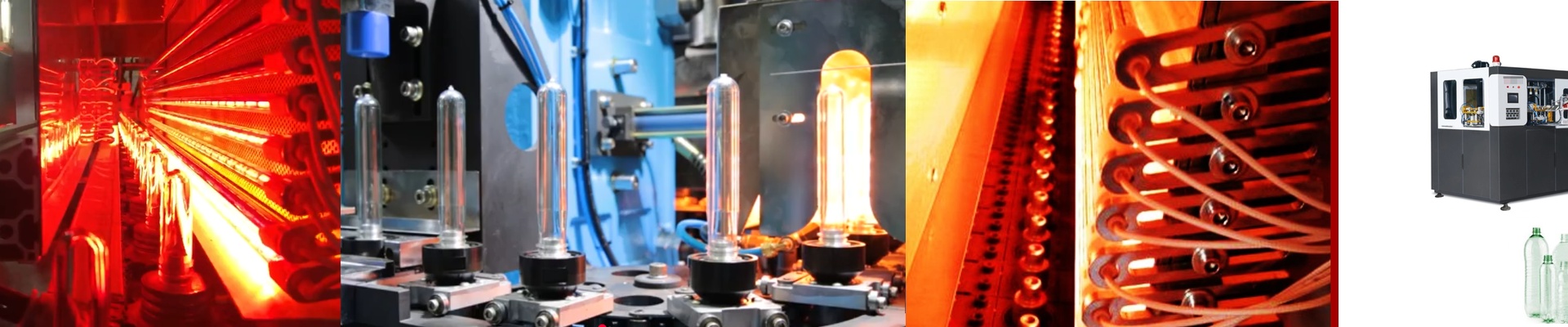
If you’ve ever worked with high-frequency switching, you know the struggle. Most heating elements have this annoying lag—you turn them on, and you’re just… waiting. For steam ovens where you need a temperature spike right now, we use Ruby shortwave infrared lamps. We’re talking about a response time that’s nearly instant. The second that relay clicks, you’ve got peak wattage. No waiting around.
Why it actually works
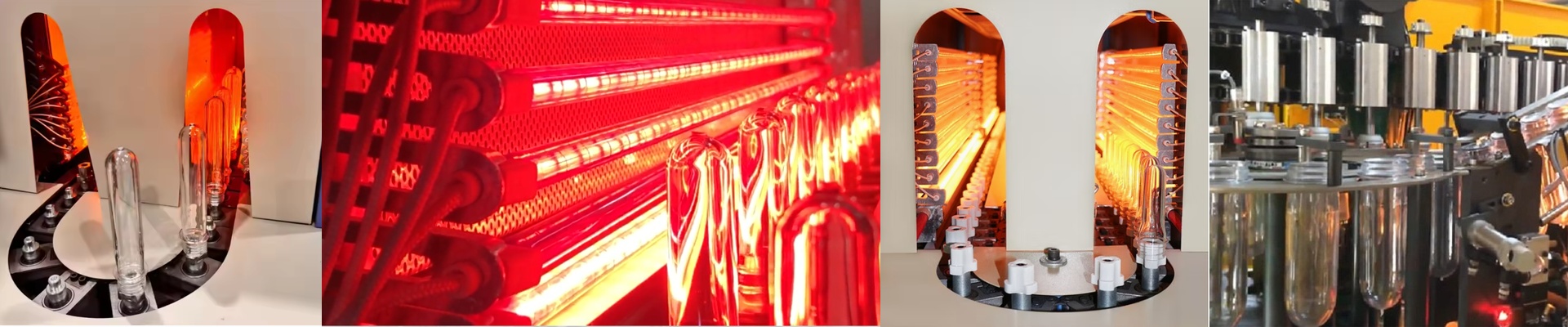
It comes down to how we build them. We kept the thermal mass of the filament low and dialed in the quartz envelope. Here’s the thing: traditional heaters waste time heating up the air around them. These ruby lamps don’t bother with that. They use shortwave radiation to shoot energy directly into the material you’re heating. Because of that, the filament hits its operating temp in milliseconds. It’s fast. Really fast.
Surviving the constant flicking
Usually, if you cycle power on and off that quickly, you’ll kill a standard lamp pretty fast. They just can’t take it. To fix that, we reinforced the electrodes. This stops the tungsten from migrating or the filament from thinning out. It means the lamp can take a real beating from constant switching without losing its glow or its heat. Just a heads-up: you can’t use mechanical contactors here. They’re too slow and they’ll arc. You’ll want to pair these with high-speed SSRs (Solid State Relays) to keep things smooth.
A few tips for the build
These heaters pack a massive amount of energy into a tiny space. That’s great for performance, but it’s tough on your housing. If you’re fitting these into a custom steam oven, don’t cheap out on the reflectors. Use polished aluminum or gold-coated surfaces. If the reflectors are low-quality, they’ll just soak up the heat and warp your entire frame. And one last thing—keep an eye on your power. These aren’t bulletproof. If your voltage swings by more than 5%, you’re going to shorten the life of the filament. Keep your power supply steady, and these tubes will last you a long time.