
Why Fast Response Actually Lowers Your Energy Bills
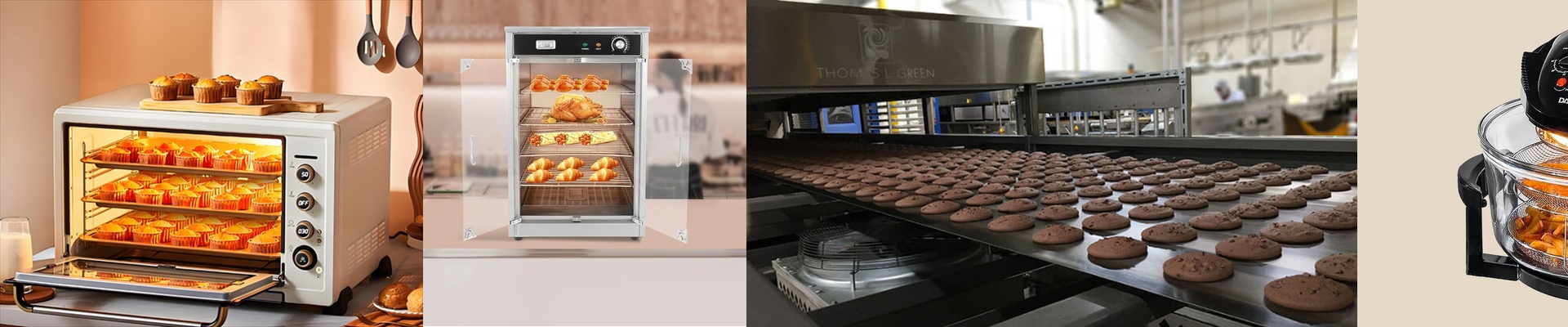
Most engineers think saving energy is all about thicker insulation or finding a lower-wattage bulb. But if you’re drying bread on an industrial scale, the real money is won or lost in the control loop. It comes down to a simple gap in time: the seconds between your sensor noticing a temperature drop and your heater actually hitting full blast.
The problem with “slow” heat
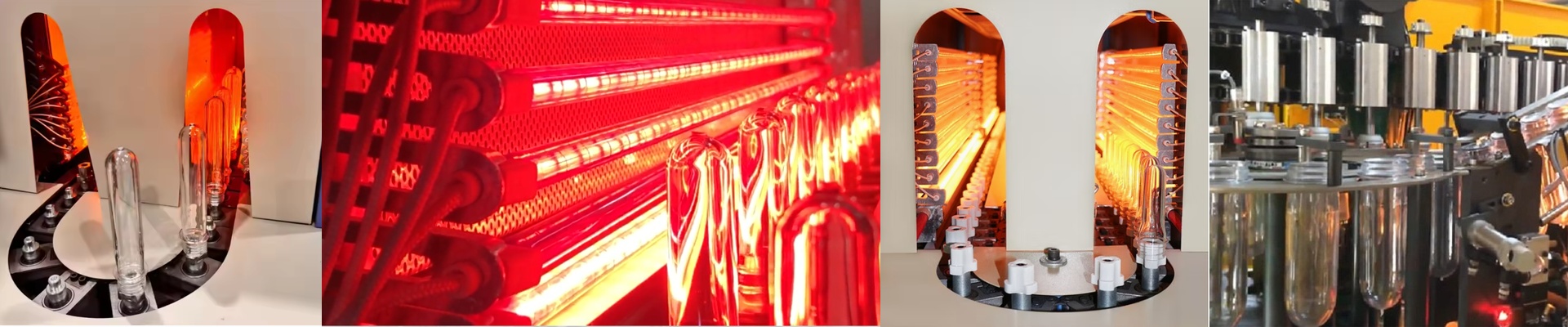
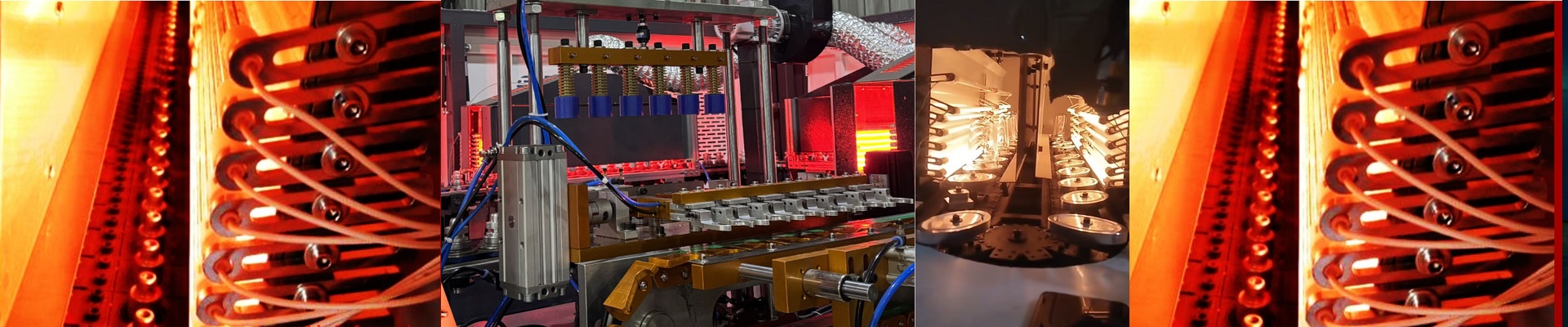
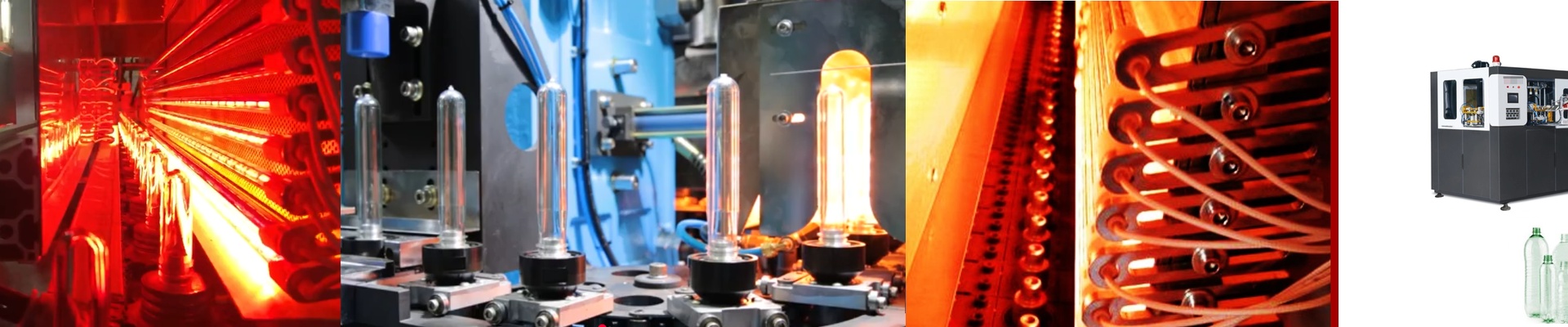
Think about conventional heaters. They have a lot of thermal mass, meaning they take a while to warm up—and they stay hot long after you’ve flipped the switch off. This leads to something we call “thermal overshoot.” Your controller hits the target temperature and shuts off, but the heater is still radiating heat. You end up over-baking the bread and wasting power just because the equipment can’t stop on a dime. Our infrared heaters fix that. Since they use radiation instead of convection, they hit operating temperature in seconds. You can flick the power on and off with total precision. No more fighting against leftover heat that you didn’t ask for.
Smarter power, less waste
When your system responds this fast, you can get a lot more aggressive with your PID tuning. Instead of leaving a heater running at 40% power all day just to keep things steady, you can use “bursts” of heat. It’s like tapping the gas pedal instead of holding it halfway down. You keep the surface of the bread exactly where it needs to be without turning the entire oven chamber into a sauna.
A quick heads-up on the hardware
Now, there is a trade-off. Fast response requires high power density. You get that instant heat, but it puts a lot more stress on your wiring. If you’re switching these elements on and off rapidly, don’t bother with mechanical relays. They’ll burn out almost immediately. You’ll want heavy-duty solid-state relays (SSRs) to handle the workload. We build these systems for lines where drying time is the biggest bottleneck. By cutting out that ramp-up lag, you simply use fewer kWh per loaf. It’s a cleaner, faster way to work.