
Keeping Bread Warm When Your Shop is Freezing
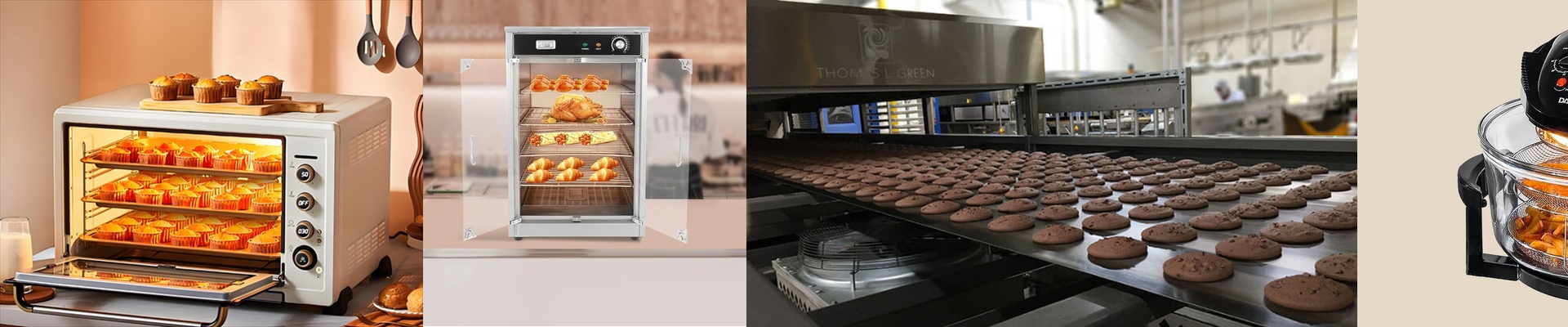
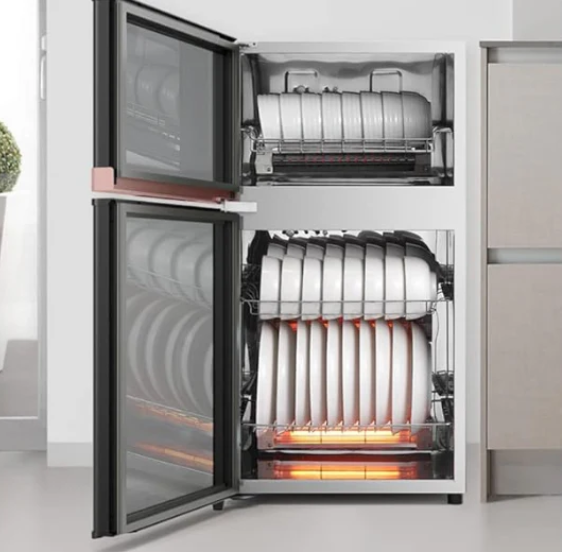
Ever notice how your bread comes out differently depending on where the AC vent is blowing? It’s a pain. One minute the shop is cozy, the next a draft hits, and suddenly your reheating system is fighting a losing battle. The heat just disappears into the air before it ever hits the crust. We handle this by pairing heavy-duty infrared tubes with a system that actually “thinks” in real-time.
How the magic happens
A simple timer just isn’t going to cut it here. You need a PID controller and a sensor that can react fast. Here is how it works: The sensor keeps a constant eye on the bread. The second the room temperature dips and the bread starts to cool, the controller kicks in. It bumps up the voltage to those IR tubes in a fraction of a second. It happens so fast you won’t even notice it. Your bread stays perfectly warm, but you aren’t scorching the crust.
Picking the right tubes
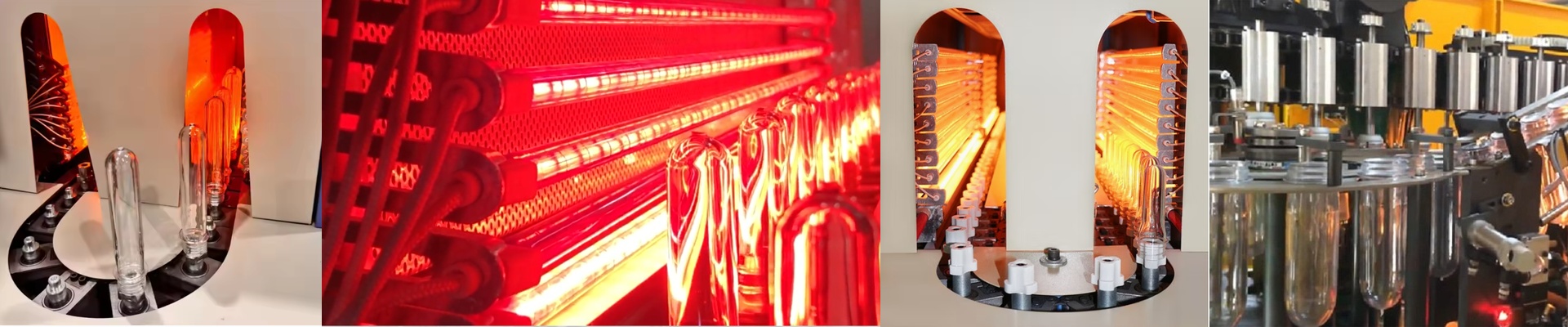
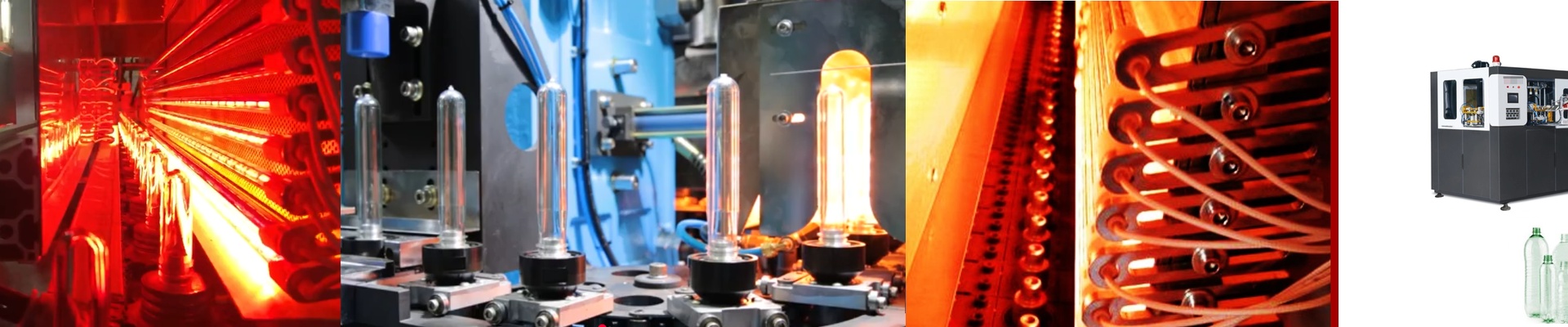
We usually go with short-wave quartz tubes. They give you that immediate “punch” of heat that gets deep into the bread. If you cram a high-wattage tube into a small space, you’ll get things hot incredibly fast. But be careful. That much heat density can be dangerous if you don’t have a plan for venting. If the housing traps all that heat, you’re looking at melted wires or burnt-out tube ends. Not a great look.
The nitty-gritty hardware
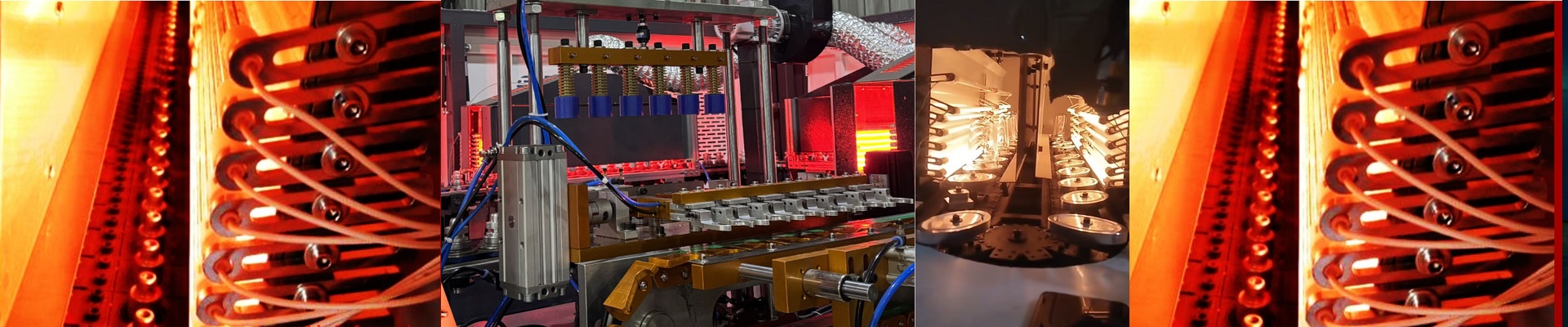
When we wire these up, we use solid-state relays (SSRs). Forget mechanical contactors—they’re too slow. They clunk along and wear out way too quickly when you’re pulsing power as fast as this system needs to. Now, here is the trade-off. If you want that perfect, tight temperature window—I’m talking within 2°C even in a drafty warehouse—you can’t cheap out on the sensor. Basic thermocouples have too much lag. They’re slow to react, which means your IR tubes will likely overshoot the mark and overcook your product. Invest in a high-frequency sensor. It’s the only way to get that consistent, “just-out-of-the-oven” feel every single time.