
Getting That Perfect Pizza Crust with Halogen Quartz
You know that specific look of a professional pizza? That charred, bubbly crust and cheese that’s perfectly melted and browned? It’s not just about cranking up the heat. It’s about hitting the dough with a very specific kind of energy to trigger the Maillard reaction and caramelization in a matter of seconds. That’s why we use halogen quartz tubes. They pump out short-wave infrared radiation that doesn’t just sit on the surface—it punches right into the dough instantly.
Why standard heaters don’t cut it
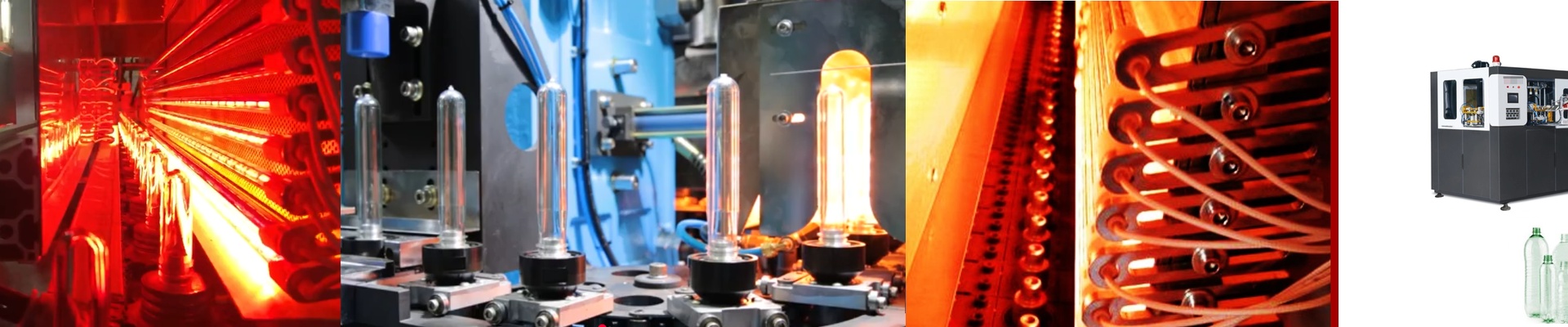
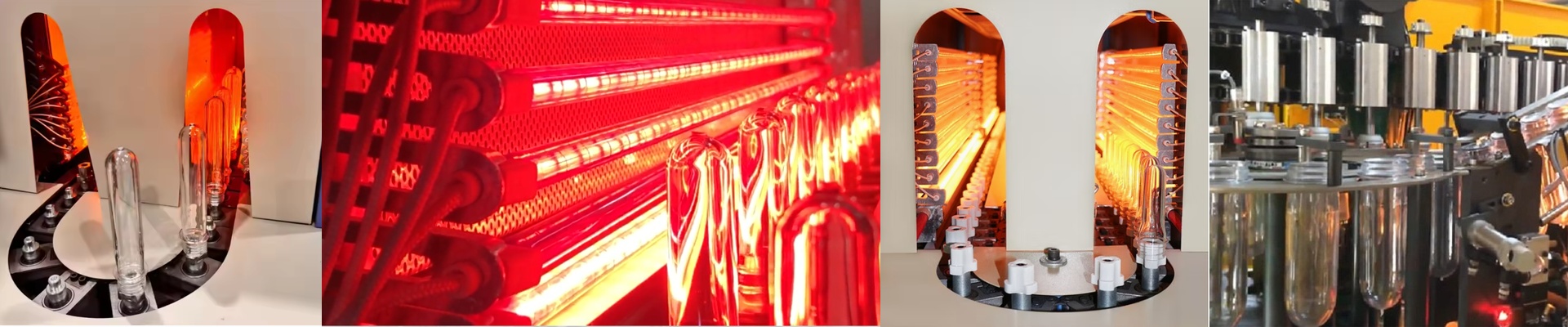
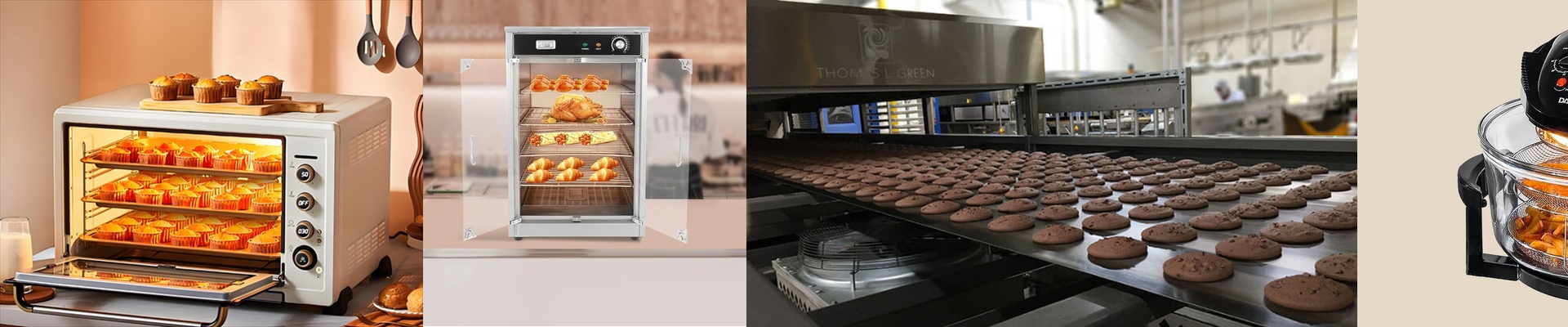
Most heating elements rely on convection. That’s fine for a home oven, but for a high-volume pizza line, it’s way too slow. Our tubes are different. We’ve got a tungsten filament tucked inside a quartz envelope and pressurized with halogen gas. This lets the filament run much hotter without just evaporating away. The result? Way more energy hitting the short-wave spectrum. We pair these with a PID controller, which gives you response times measured in seconds. It solves that annoying problem where the bottom of the crust burns to a crisp while the top is still pale. Everything cooks in sync.
The nuts and bolts
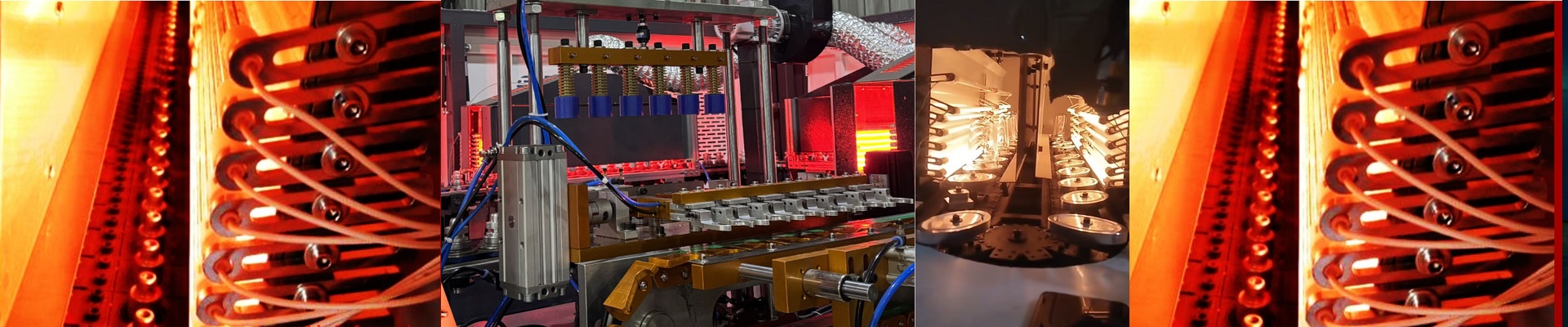
We use high-purity quartz because we want as much IR light as possible to get through. Depending on how big your oven is, we tweak the watt density so you don’t end up with those frustrating cold spots. Plus, we use standard R7s or SK15 connectors. If a tube goes out, you can just pop a new one in and get back to work without a headache. Some of our versions even have a special coating. It shifts the emission spectrum so the heat targets the food itself rather than just heating up the air inside the oven.
A few things to watch out for
Power this intense comes with a catch. Because these tubes hit peak temperature almost instantly, the quartz takes a beating from the thermal shock. **One big rule: never touch the glass.**Not while it’s running, and not with wet hands. The oils from your skin create tiny hot spots that can actually make the tube crack. You also need to make sure your housing has the right airflow. If the air doesn’t move, those electrical terminals can melt under a heavy load. It’s a powerful system, but you’ve got to treat it with a bit of respect.