
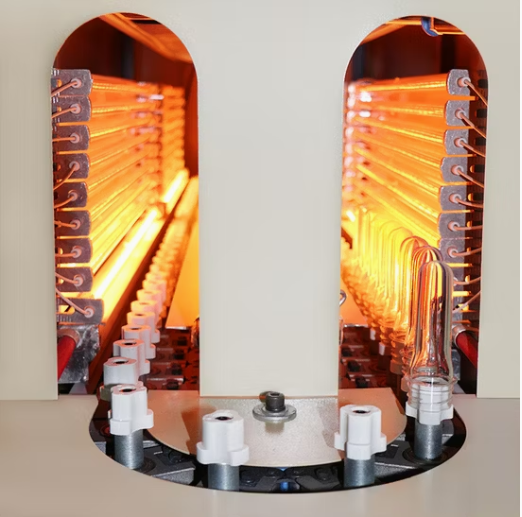
Getting Your SACMI Rotary Systems Up to Temp, Fast
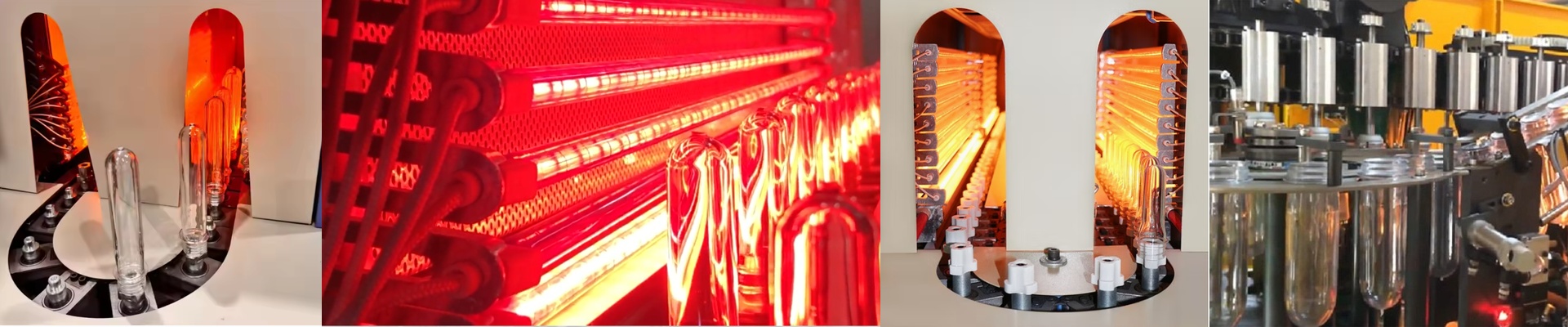
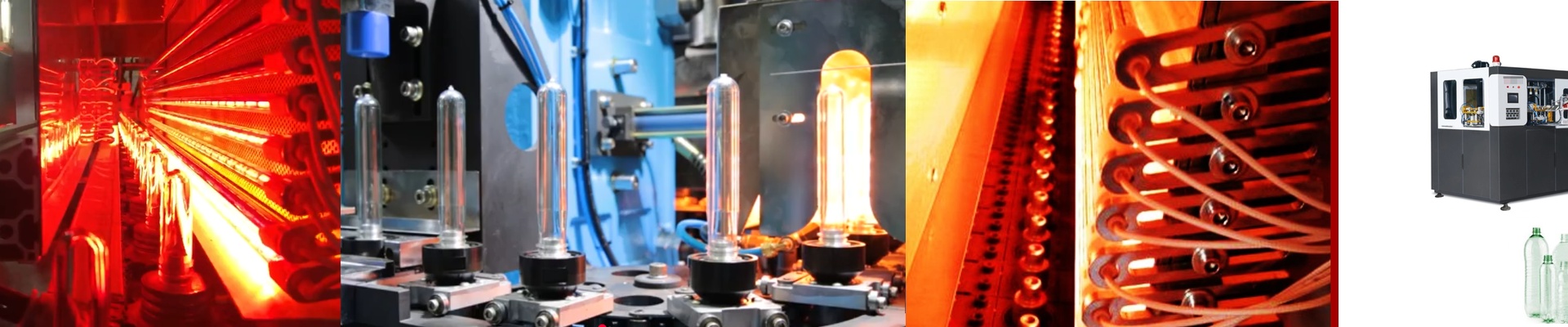
If you’re running SACMI rotary blow molding machines, you know they move fast. Like, really fast. The problem is that if your preform heater lamps take too long to wake up or can’t hit the right temperature in that tiny window of rotation, you’re in trouble. You end up with bottles that have uneven walls or that annoying pearlescent look in the PET. It’s frustrating, and it wastes material. That’s why we built our PETC lamps. We wanted to kill that “thermal inertia” and get the heat moving immediately.
Cutting the Startup Lag
Here is the secret: it’s all about the glass and the wire. We use a thinner, high-purity quartz envelope. Why? Because it lets the short-wave infrared radiation jump out of the tube and hit the plastic much faster. We also pack in a lot of wattage per centimeter. By concentrating the power, these lamps hit operating temp in seconds. No more waiting around. The PET preform gets soft exactly when it hits the blow mold—not a second too late.
The Nitty-Gritty on Hardware
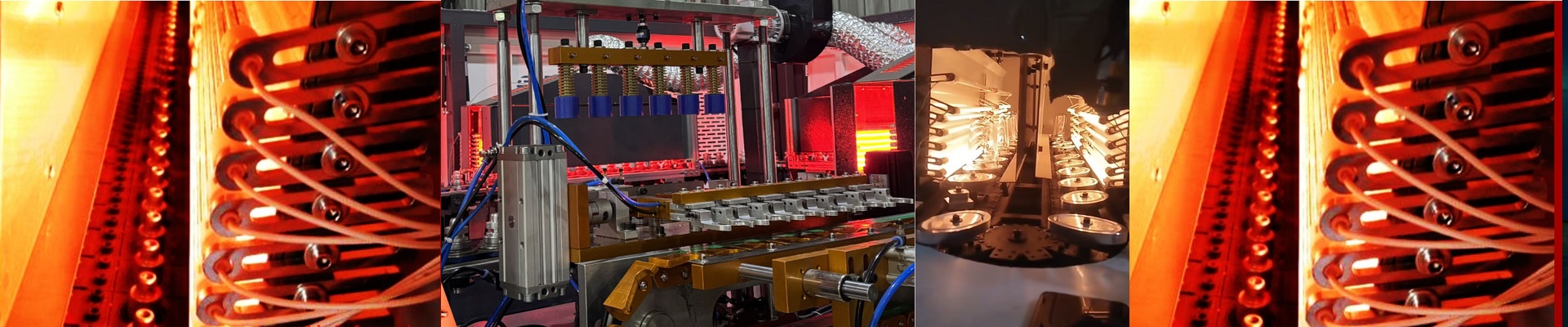
We made these to be simple drop-in replacements. Whether you’re using R7s or Sk15 connectors, they just fit. We also know industrial power grids can be messy, so we wired them to handle those annoying voltage spikes without popping. Plus, we use a halogen cycle. It stops the filament from evaporating too quickly, which means your light output stays steady for thousands of hours. You’ve got two choices here:
- Clear quartz, if you want maximum penetration.
- Coated versions, which bounce the heat back toward the preform. The coated ones are great because they stop the oven walls from soaking up all your energy. Just a heads-up, though—if you blast them with cooling air too hard while they’re scorching hot, the surface can crack. Be gentle.
The Trade-off
Now, there’s a catch. When you cram 2500W+ tubes into a tight cluster, things get hot. Fast. The air inside your oven will climb quickly, and if your blower motors aren’t up to the task, you might actually overheat your internal wiring. Keep an eye on your cooling. If the air isn’t moving, the lamps run hotter than they should, and that’s the fastest way to kill your filaments. Keep them cool, and they’ll keep working.