Stop Worrying About Cold Spots: Getting Your Rotary Oven Right
Nobody likes it when a batch of bread comes out with some loaves perfectly browned and others looking pale and underdone. It’s frustrating. Usually, the culprit is a “cold spot” in the oven. To fix this, we use Twin Quartz infrared (IR) lamps. Instead of just blowing hot air around—which can be hit or miss—these lamps send shortwave radiation straight into the food. It’s a more direct way of cooking.
How we get that 360-degree heat
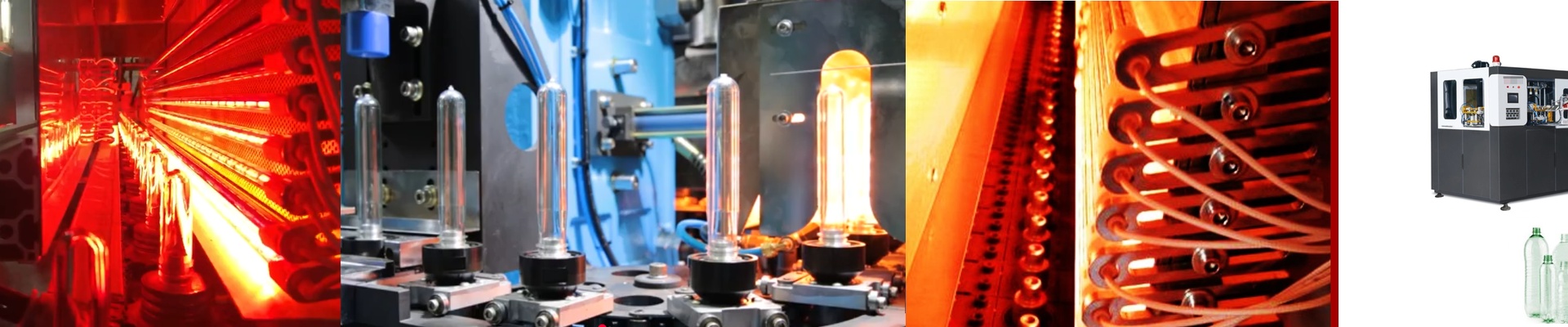
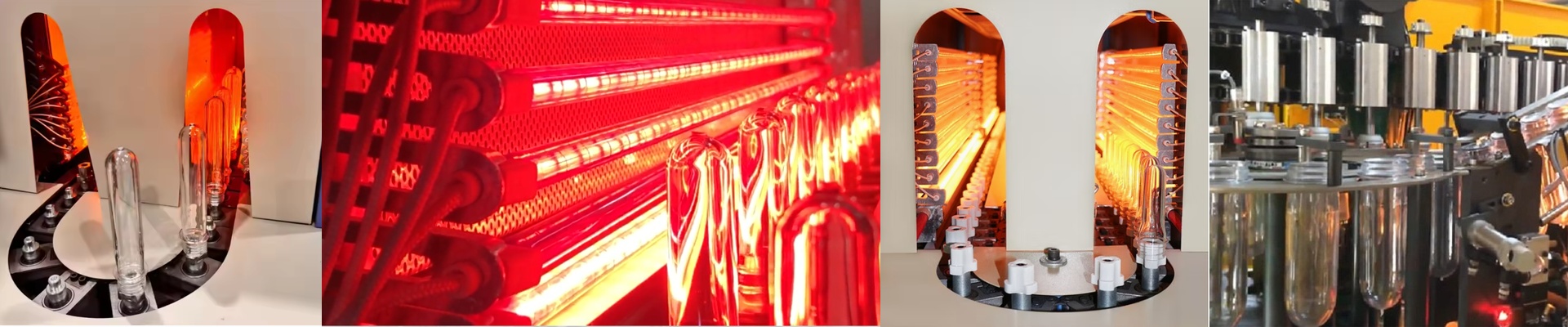
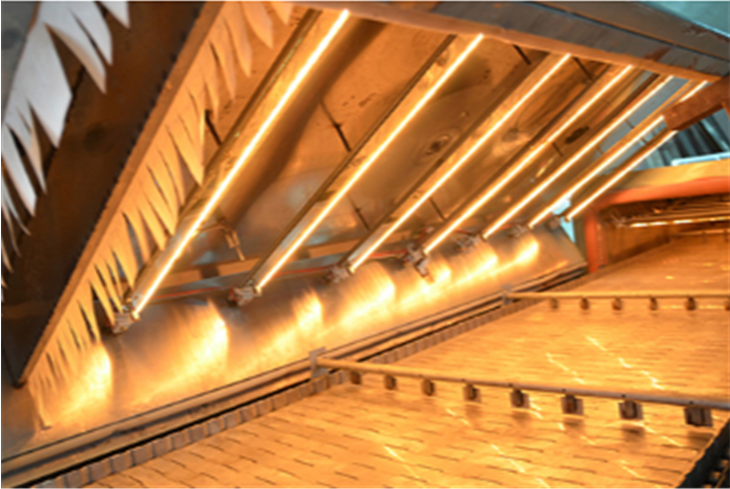
The secret is in the layout. We set these lamps up in a radial grid. Now, the “Twin Quartz” part is pretty clever. We’ve basically put two heating filaments inside one glass tube. This gives you double the heat in the same amount of space. As your oven rack spins, the dough passes through this field of heat. Since it doesn’t rely on air currents to move the warmth, the heat hits from every angle. You get that consistent crust and a perfect center, no matter where the tray is sitting.
The nitty-gritty on the gear
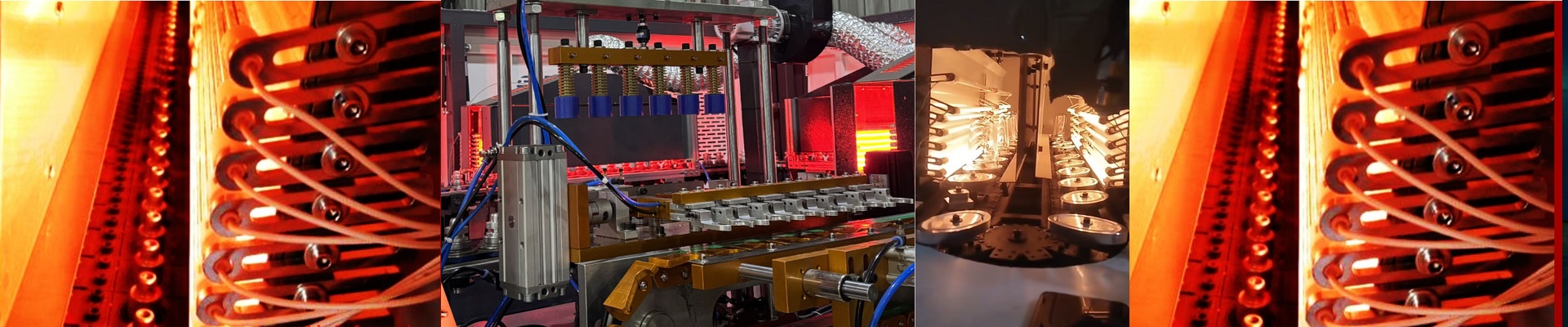
We use high-purity quartz glass because it’s tough. These lamps flip on and off constantly, and cheap glass would just crack under that kind of stress. We also add a bit of halogen to the filaments. It helps the lamps last longer and keeps the power steady. But here is the thing: these things get hot. Fast. It’s great for cutting down your pre-heat time, but it means you have to be careful with your controls. If your PID controller is acting up, you’ll end up with a burnt crust and a raw middle. Precision is everything here.
Getting them installed
We made these as drop-in replacements. They usually use standard R7s or snap-in connectors, so you aren’t spending all day messing with wiring on the shop floor. Just a pro tip: use heat-resistant wiring andkeep the glass clean. If grease builds up on the tubes, it creates hot spots. That’s a quick way to blow a lamp. A quick wipe-down saves you a lot of headache later.