
Stop Waiting on Your Oven to Heat Back Up
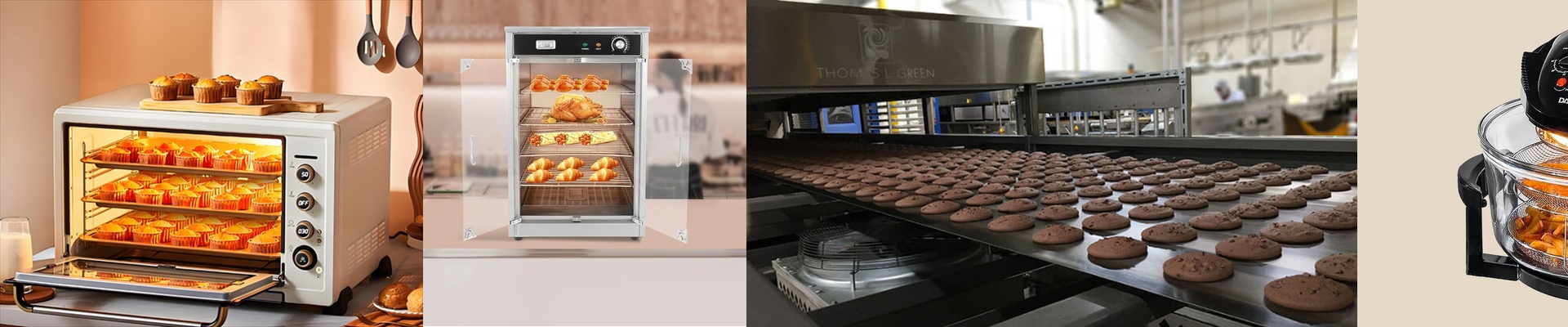
If you’re running a busy cafe, you know the drill. The morning rush hits, you open the oven door to slide in a fresh batch of cold dough, and suddenly, your temperature tanks. Waiting for those old-school heating elements to climb back up to temp is a nightmare. It kills your rhythm. It slows down your service. It’s basically “dead time” where you’re just standing there, staring at the timer. That’s why we use shortwave infrared (IR) halogen tech. It fixes the lag.
How it actually works
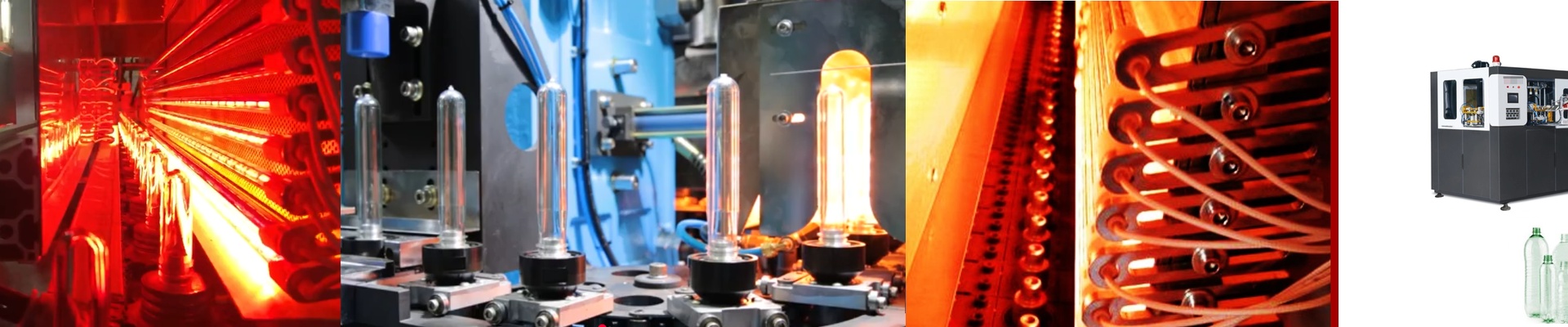
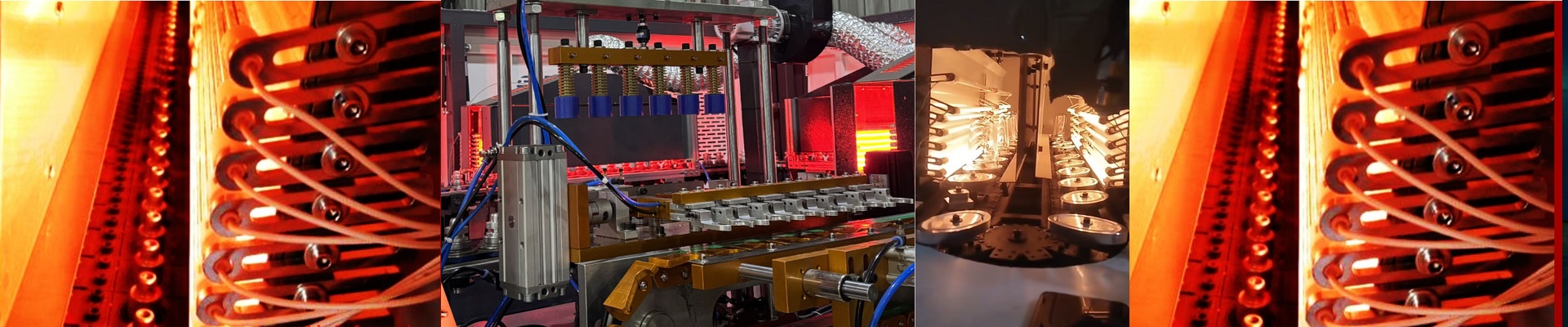
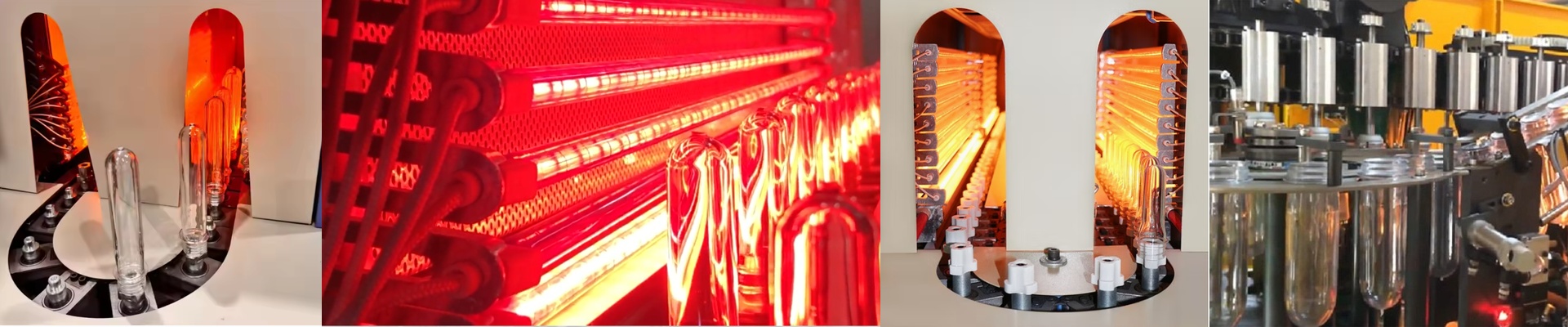
Most ovens try to heat the air first, and then hope that air heats the food. It’s a slow process. Our IR elements take a shortcut. They skip the air entirely and dump energy directly into your product. We’ve designed these replacements to hit full blast in a matter of seconds. The result? Your oven stays hot, even when you’re opening and closing the door every five minutes. You get more batches out the door without the stress of temperature dips.
The nitty-gritty stuff
We built these to be simple drop-in replacements. No need to rebuild your oven. Inside the high-purity quartz glass, there’s a tungsten filament packed with halogen gas. That gas is the secret sauce—it stops the filament from burning out too fast, so the lamps actually last through the constant on-and-off cycling of a real kitchen. You’ll usually see these with R7s or SK15 connectors. We stuck with those because they just work. If an element finally gives out, you can swap it in a flash without having to rewire the whole chassis.
A couple of warnings
Now, there is a catch. Because these things hit hard and fast, your oven’s control board needs to be able to keep up. You need fast PID switching. If your relays are slow or sluggish, you’ll overshoot your target temperature and end up with burnt edges. And here is a pro tip:Keep the glass clean. When you’re installing them, don’t touch the quartz tube with your bare hands. A single fingerprint or a smudge of grease creates a “hot spot” on the glass. That spot will get too hot, the tube will crack, and you’ve just killed a brand new element. Keep the area clear, make sure your connections are tight, and you’re good to go.