

Why Infrared Actually Works for Your Bathroom
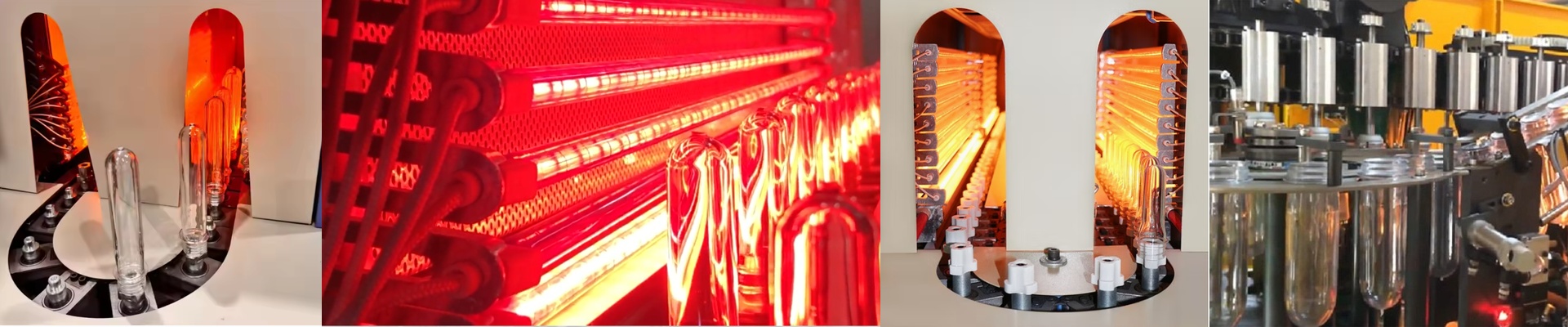
Most people think of those infrared lamps as just a way to keep from shivering after a shower. But there’s a bit more going on under the hood. We didn’t just build a heater; we built a tool to fight that annoying, lingering dampness that clings to your walls. Here’s the thing about how it works. Most heaters just warm up the air. That’s fine, but air is lazy. We use short-wave infrared (SWIR) because it doesn’t mess around with the air—it goes straight for the tiles and the walls. It penetrates the surface, heating the actual material of your bathroom. When those walls warm up, the moisture has nowhere to hide. It’s forced to evaporate quickly. And that’s the secret to killing mold. Mold loves a cold, damp surface. It’s basically its favorite place to hang out. By keeping your walls warm and above the dew point, you’re making the room a place where spores just can’t get a grip. But wait, there’s a catch. The lamp doesn’t magically make the water disappear; it just moves it. It pushes the water off your walls and into the air. If you don’t have a decent exhaust fan running, you’re just shifting the dampness from your tiles to your ceiling. You’ve got to vent that moist air out of the house, or you’re just rearranging the problem. A quick heads-up on the hardware, too. We use quartz glass because these things get hot—fast. Really fast. Because of that, be careful where you put them. Keep them away from plastic fixtures or cheap PVC pipes, or you might end up with some warped plastic. Also, these lamps are high-energy. You get that blast of heat the second you flip the switch, but it can get a bit too intense if you leave it on forever. We usually suggest setting them on a timer. It keeps the mold away without turning your bathroom into a sauna.