Why we switched to Twin Quartz IR for temperature control
If you’ve ever struggled with high-difficulty baking, you know the frustration. It’s not just about hitting a number on a dial. It’s about timing. You need the heat to hit specific milestones—fast—to get that perfect crust and the right crumb structure. The problem is that traditional heating elements are sluggish. They have this annoying “thermal lag” that makes precision almost impossible. That’s why we moved to twin quartz infrared (IR) heaters.
The magic of a fast response
Standard coils are like old radiators; they hold onto heat long after you’ve turned them off. This usually leads to “overshoot,” where the oven keeps getting hotter than you wanted, and suddenly your delicate dough is ruined. Quartz lamps are different. They use shortwave IR, which means they snap to full power instantly and cool down just as quickly. This lets us do something called “stepped” control. We can pulse the power in tiny, one-second bursts. It’s a much smoother way to manage the heat without those accidental spikes that kill a good bake.
How it actually works
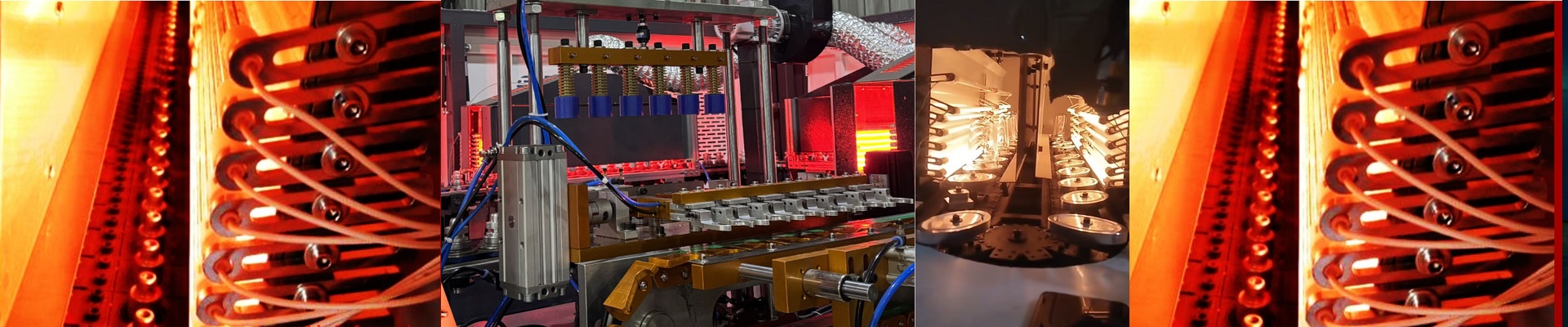
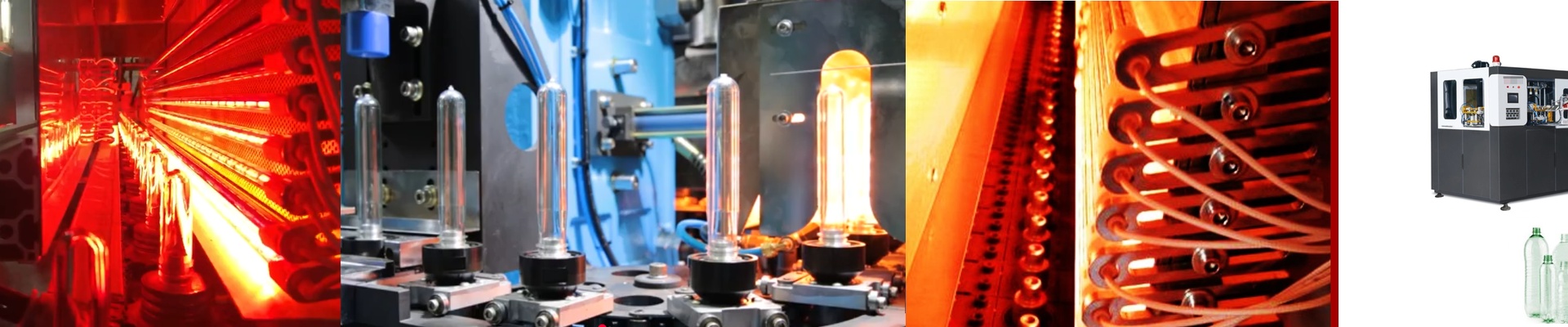
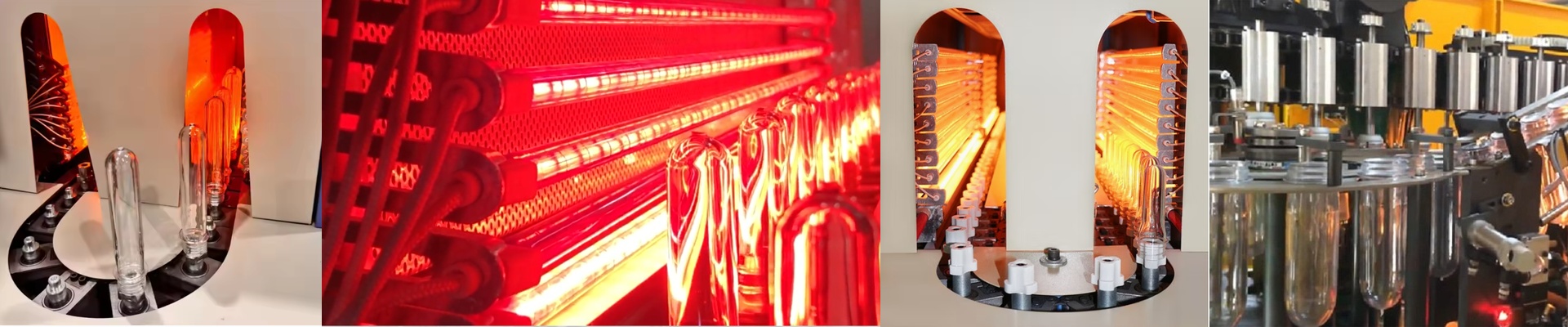
We use high-purity quartz glass to make sure the IR heat actually gets through to the food. By using a twin-filament design, we’ve basically doubled the heat density compared to the old single-tube lamps. When you pair these with a high-speed PID controller or an SSR setup, the response is almost immediate. It’s snappy. One of the best parts? The heat is concentrated. You can actually “zone” your deck oven. You can have one spot searing at a high temp while the area right next to it stays nice and low.
The trade-off (because nothing is perfect)
Now, there is a catch. Because these lamps are so intense, they’re a bit temperamental. If a drop of grease or a bit of flour lands on the quartz tube, it creates a hot spot. If that happens, the glass can crack or the filament can just burn out. You have to keep the tubes spotless. Also, make sure your ventilation is on point. You’re dealing with a lot of concentrated heat, and you don’t want it soaking into the oven’s outer shell and overheating the whole chassis.