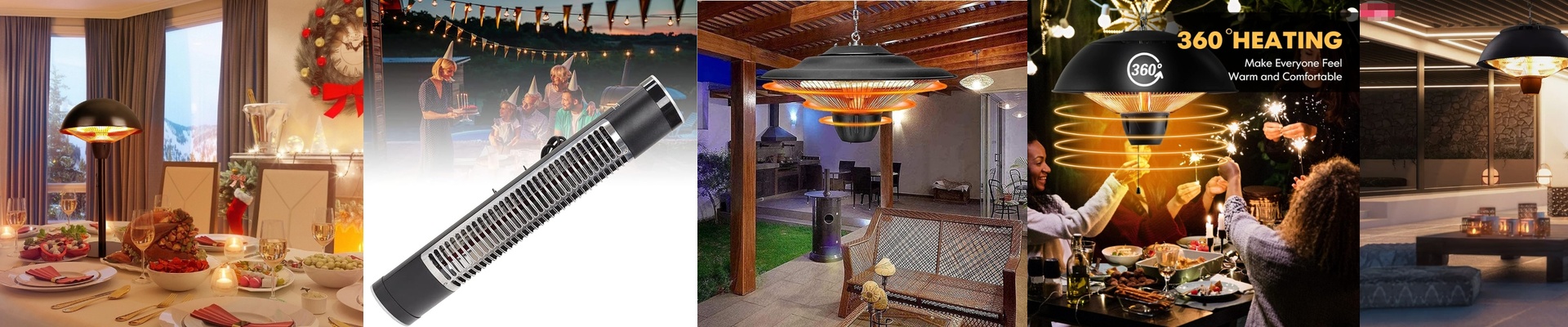
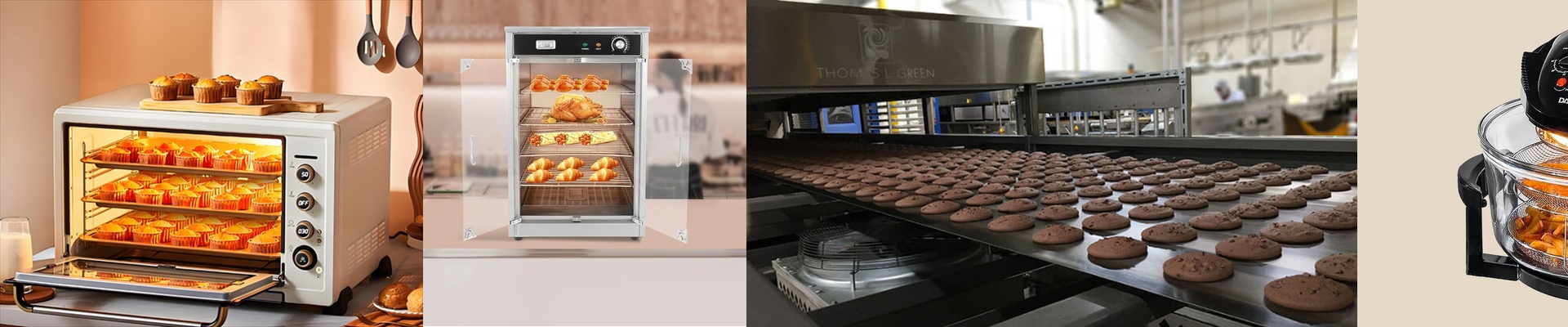
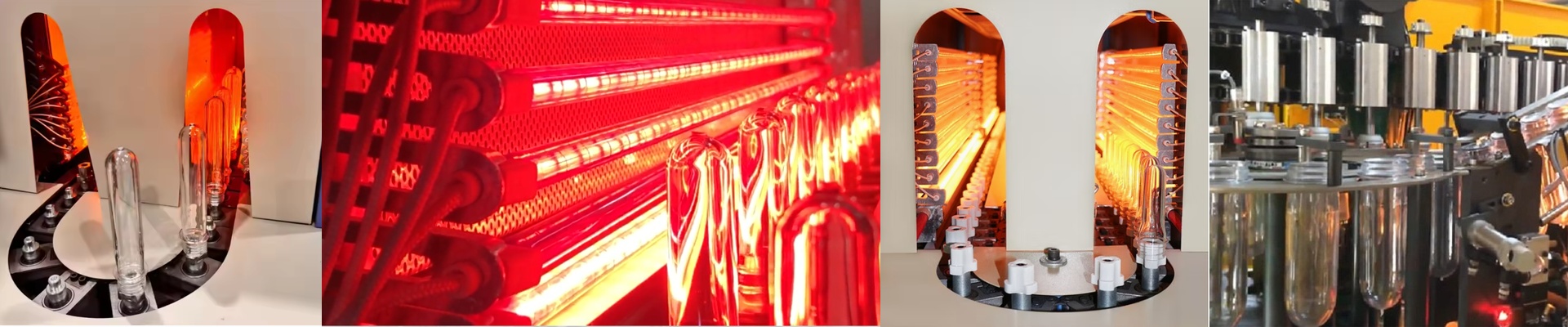
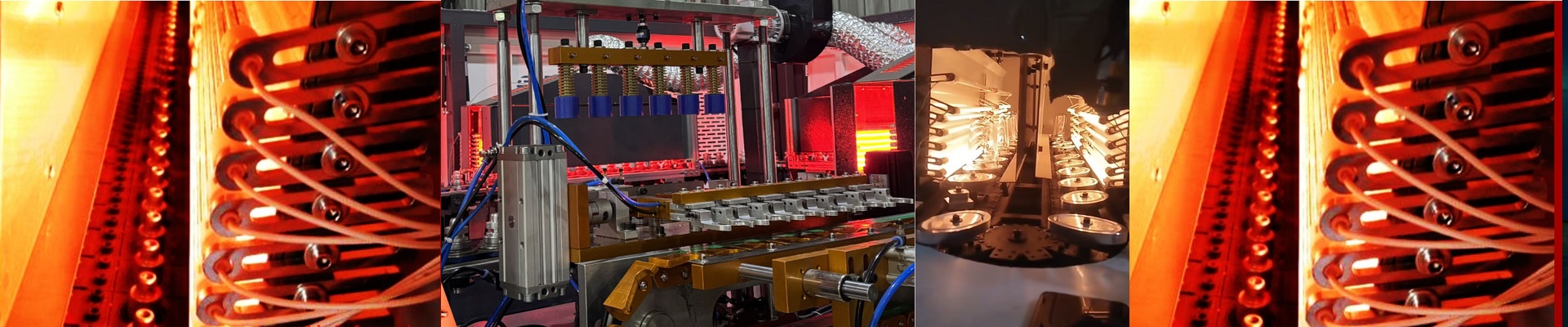
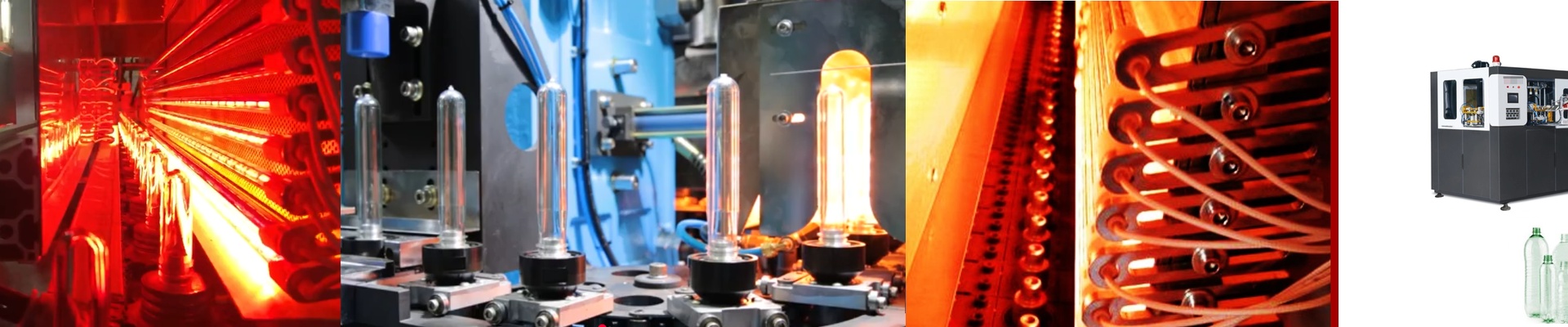

Getting Fast Sterilization with Black Ceramic IR Emitters
When you’re sterilizing a cabinet, you’ve got a tricky balance to strike. You need a blast of intense heat to kill off pathogens, but you can’t just bake the whole chassis until it warps. That’s why we use black ceramic IR emitters in our convection ovens. They hit those temperature spikes in seconds. If you’ve used standard quartz lamps before, you know they have their limits. These ceramic versions handle high thermal stress way better and put out energy in that medium-to-far infrared range. Why the speed matters Here’s the thing: to get a “second-level response,” you need low thermal mass and high emissivity. The black ceramic coating is the secret sauce. It pushes more heat directly into the cabinet air and onto the surfaces instead of letting it bounce back into the heater. It’s a fast ramp-up. Really fast. This rapid injection of heat is what actually makes the sterilization work. You hit the target temperature before the heat has a chance to leak out through the cabinet seals. The gear and the grit We go with the black finish for two reasons. First, it kills that blinding glare you get with halogen lamps. Second, it spreads the heat evenly across the convection zone. Plus, the ceramic housing keeps the internal element from oxidizing. One heads-up on the hardware: make sure your PID controllers are set for fast switching. If your controller is sluggish, you’ll overshoot your target temp. And nobody wants to find out they’ve melted their cabinet liners. Making it work in your setup These emitters usually slide right into place where traditional heating coils used to go, which actually saves you some space in the assembly. But there is a trade-off. Ceramic holds onto heat longer than quartz does. Because of that “latent heat,” you can’t just flip a switch and expect it to be cool. You’ll need to size your cooling fans correctly so the cabinet is safe to touch once the cycle ends. And a pro tip: use high-temperature leads for the wiring. You don’t want your insulation melting right next to the emitter face.